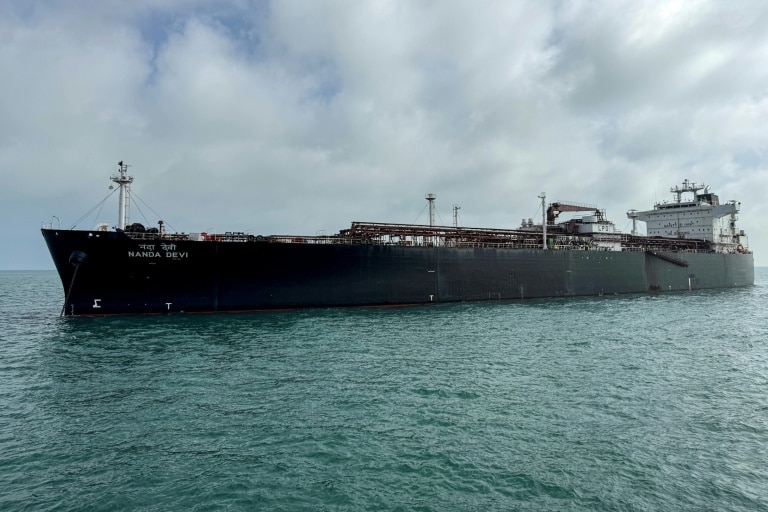
Iran has established a selective authorization system for commercial vessels attempting to navigate the strategically vital Strait of Hormuz, according to maritime intelligence reports. This development comes as the key global energy corridor remains effectively closed due to ongoing Middle East hostilities that commenced with US-Israeli strikes on Iran on February 28.
Maritime analytics firm Windward revealed in a Tuesday analysis that at least five vessels successfully transited the strait through Iranian waters on March 15-16. The company described this as ‘rising evidence that Iran is exerting permission-based transit and control of the strait,’ indicating Tehran has implemented a vetting process favoring ships from allied nations.
JPMorgan commodities analyst Natasha Kaneva corroborated these findings, noting that at least four ships were tracked using the non-standard Larak-Qeshm Channel near the Iranian coastline in recent days. ‘This could reflect a process designed to confirm vessel ownership and cargo, enabling passage for ships that are not affiliated to the US or its allies,’ Kaneva stated in an analytical note.
Among the vessels granted passage was the Pakistani-flagged oil tanker Karachi, which notably transited with its automatic identification system activated—unusual behavior in a conflict zone where ships typically disable transponders to avoid targeting.
The geopolitical implications are significant as approximately one-fifth of global oil and liquefied natural gas normally passes through this chokepoint. Kaneva emphasized that most crude shipments through the strait are destined for Asian markets, particularly China.
Diplomatic efforts are underway as multiple nations engage Tehran to secure transit rights for their commercial fleets. This has yielded some success, with two Indian-flagged liquefied petroleum gas tankers—Shivalik and Nanda Devi—successfully delivering approximately 92,700 metric tonnes of LPG to Gujarat’s Vadinar Port after receiving Iranian clearance. Similarly, Turkey’s transport minister confirmed a Turkish-owned vessel received Iranian authorization for safe passage.
The United States continues to advocate for allied military protection of shipping interests in the region as this new selective transit paradigm reshapes maritime commerce through one of the world’s most critical energy corridors.