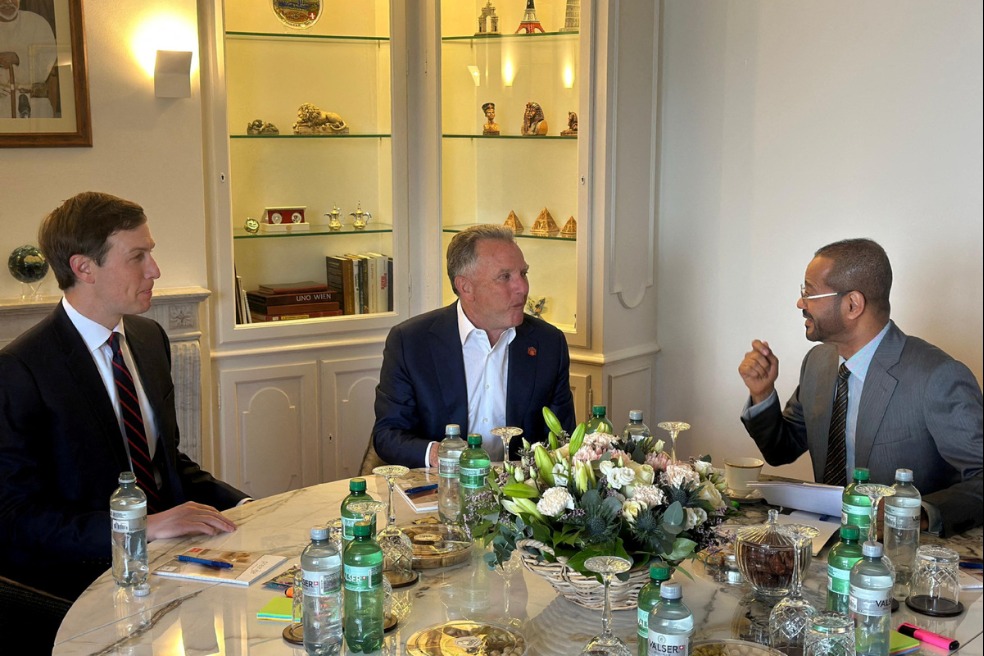
Geneva prepares to host a critical third round of nuclear negotiations between the United States and Iran, even as significant obstacles threaten to undermine the diplomatic process. The talks resume against a backdrop of intensified US military presence in the Middle East and fundamental disagreements over the core framework of a potential nuclear agreement.
Omani Foreign Minister Sayyid Badr bin Hamad Al Busaidi confirmed the diplomatic engagement, expressing satisfaction with the progress while urging both parties to exert additional effort toward finalizing a deal. Oman has consistently served as a key mediator between the longstanding adversaries, having previously facilitated indirect discussions and hosted the most recent dialogue in Geneva.
Iranian leadership conveyed tempered optimism regarding the renewed negotiations. President Masoud Pezeshkian described recent diplomatic exchanges as producing “encouraging signals” through social media channels, simultaneously emphasizing Tehran’s preparedness to confront any potential escalation. Foreign Minister Seyed Abbas Araghchi indicated the possibility of direct discussions with US Special Envoy Steve Witkoff, maintaining that a diplomatic resolution remains achievable.
The central contention points revolve around Iran’s insistence on maintaining its peaceful nuclear program and securing relief from US sanctions, particularly regarding uranium enrichment rights. Araghchi reaffirmed Tehran’s position that any agreement must recognize these rights while reserving Iran’s ability to respond defensively to potential attacks against American bases in the region.
The diplomatic landscape has been complicated by provocative rhetoric from US officials. Witkoff publicly questioned why Iran had not yet “capitulated” to American demands regarding nuclear program limitations, comments that prompted a sharp rebuke from Iranian officials who emphasized their nation’s sovereignty.
Substantial gaps persist between negotiating positions, with Washington seeking additional concessions including limitations on long-range missile development and reduced support for regional militia groups. Iranian officials characterize these demands as challenging to reconcile with national security interests, while simultaneously calling for a realistic timetable for sanctions removal.
The negotiations represent the latest attempt to revive diplomatic engagement since the US unilaterally withdrew from the 2015 Joint Comprehensive Plan of Action. Previous indirect talks collapsed primarily over disputes regarding uranium enrichment restrictions, which Iran maintains are exclusively for peaceful purposes despite Western suspicions of weapons development.