Diplomatic channels between the United States and Iran have reopened with high-stakes negotiations commencing in Muscat, Oman, on Friday. This dialogue represents the first direct engagement between the two nations since June, when U.S. forces participated in Israeli-led airstrikes targeting Iranian nuclear facilities.
The American delegation is spearheaded by President Donald Trump’s Middle East envoy, Steve Witkoff, while Iranian Foreign Minister Abbas Araghchi leads the Islamic Republic’s contingent. The talks, facilitated by the Omani government—a longstanding mediator in the region—aim to address the escalating crisis surrounding Iran’s nuclear development program. Washington has explicitly stated that while pursuing diplomatic avenues, it retains all military options on the table.
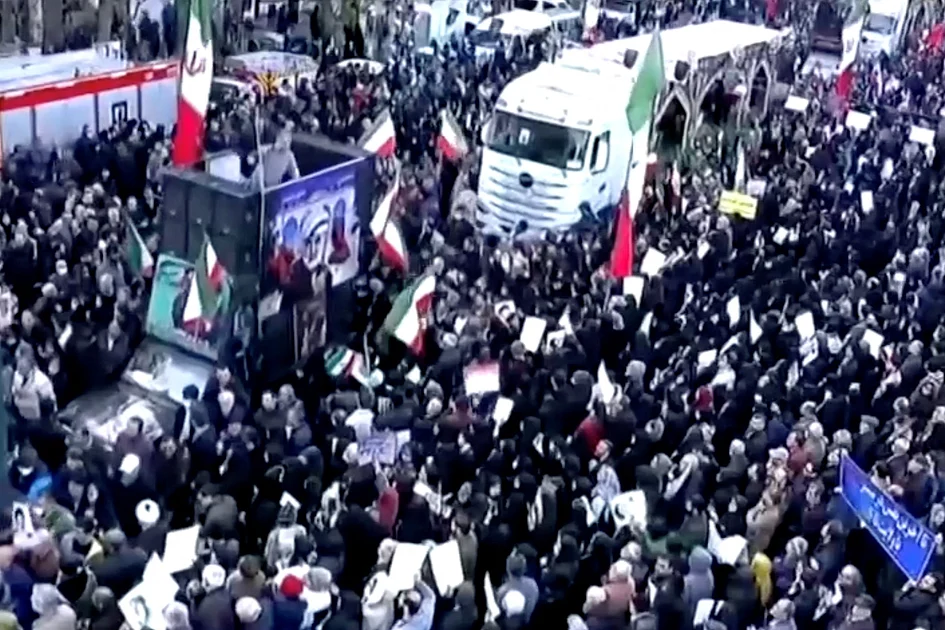
The negotiations occur against a backdrop of severe domestic unrest within Iran. The discussions follow a widespread protest movement that swept the nation approximately one month prior, which human rights organizations report was suppressed with lethal force resulting in thousands of civilian casualties.
President Trump’s rhetoric has notably shifted from encouraging protesters to emphasizing nuclear non-proliferation. In recent statements, he acknowledged the negotiations while simultaneously highlighting U.S. military preparedness, referencing a naval ‘armada’ deployed to the region led by the USS Abraham Lincoln aircraft carrier group.
Tehran’s official position, communicated through its foreign ministry, expresses a commitment to diplomatic solutions while maintaining a defensive posture. Iranian military spokesperson General Mohammad Akraminia warned that the nation possesses ‘easy’ access to U.S. bases in the region and stands ready to retaliate against any aggression.
International observers remain cautiously pessimistic about the prospects of a breakthrough. The U.S.-based Institute for the Study of War assessed that ‘Iran continues to show inflexibility toward addressing U.S. demands,’ significantly reducing the likelihood of a diplomatic resolution. European leaders, including German Chancellor Friedrich Merz, have urged meaningful dialogue to avoid regional military escalation, while Turkish President Recep Tayyip Erdogan noted that both parties appear to be making room for diplomacy despite the palpable tensions.