A senior advisor to Iran’s Islamic Revolutionary Guard Corps (IRGC) commander has issued a stark warning that Tehran intends to target international oil supply lines, specifically threatening operations it deems supportive of its enemies. This declaration significantly escalates regional tensions already heightened by recent U.S. and Israeli military actions against Iran.
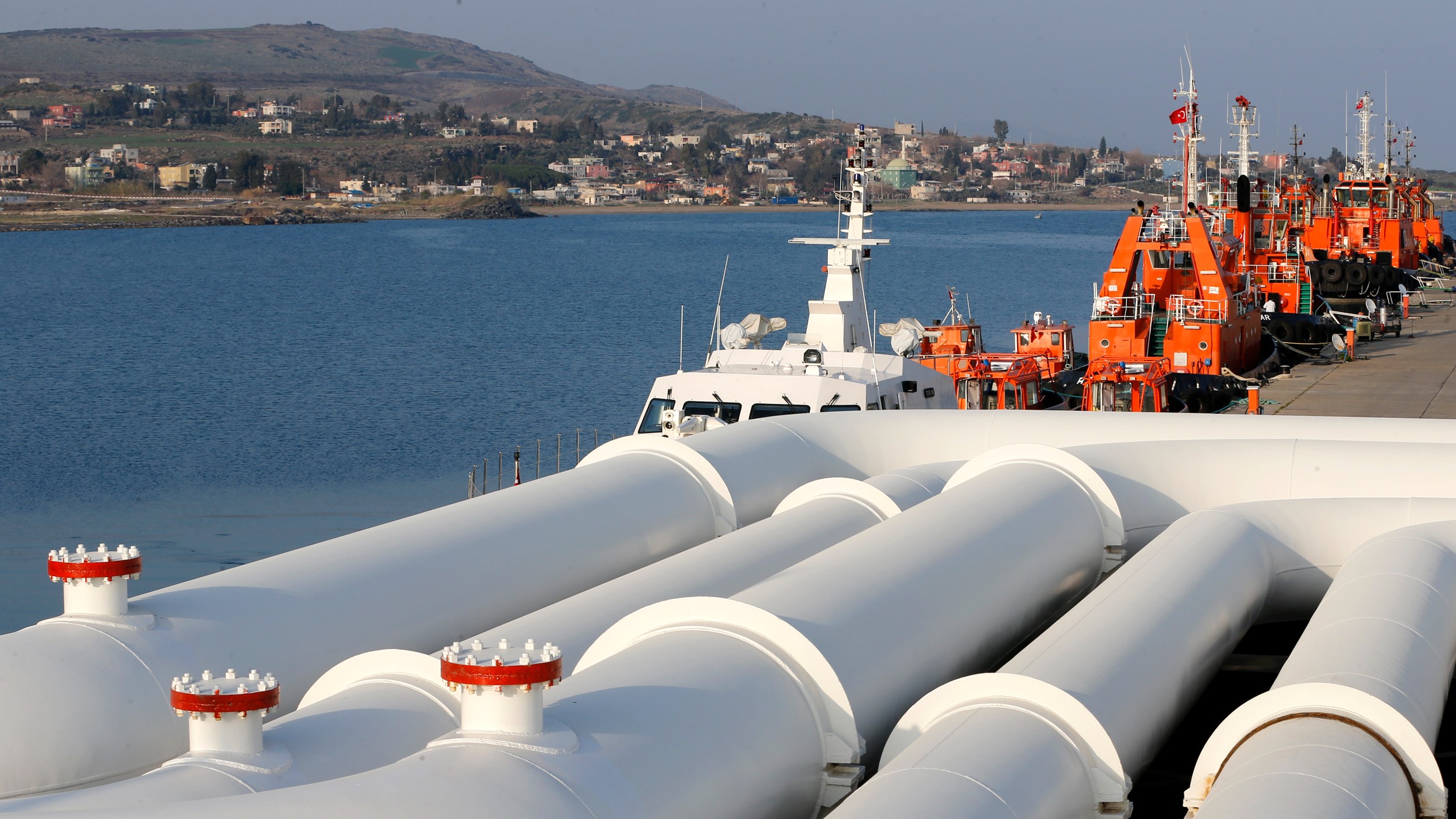
According to senior Arab sources speaking with Middle East Eye, these threats raise substantial concerns about the security of the BP-operated Baku-Tbilisi-Ceyhan (BTC) pipeline. This critical infrastructure transports Azerbaijani crude oil—approximately 30% of Israel’s supply—through Georgia to the Mediterranean coast of Turkey. Analysts indicate that Azerbaijan’s geographical proximity makes this pipeline particularly vulnerable to Iranian intervention.
The situation intensified on Monday when IRGC advisor Ebrahim Jabbari declared the strategic Strait of Hormuz effectively closed to navigation, threatening to “set ablaze” any vessels attempting transit. This narrow waterway, only 21 miles wide at its narrowest point, facilitates the passage of roughly 20% of global daily oil consumption and substantial natural gas shipments.
Regional experts note that Iran perceives Azerbaijan as a conduit for Israeli operations against its interests, a concern that has grown in recent years. Investigations by the Stop Fuelling Genocide campaign and research groups including the Palestinian Youth Movement have documented continued oil shipments from Turkey’s Ceyhan port—the terminal endpoint of the BTC pipeline—to Israeli facilities near Ashkelon, despite Turkey’s official embargo announcement in May 2024.
Further complicating energy security, an Iranian drone attack reportedly caused a limited fire at Saudi Arabia’s crucial Aramco oil refinery in Ras Tanura on Monday. This incident triggered immediate market reactions, with European gas prices surging nearly 50% following Saudi Arabia’s precautionary closure of its largest refinery and Qatar’s temporary halt of liquefied natural gas production.
The escalating conflict has already practical consequences for global shipping, with insurance providers withdrawing war-risk coverage for vessels operating in the Persian Gulf. Meanwhile, the IRGC claims to have targeted over 500 U.S. and Israeli sites using hundreds of drones and missiles, as U.S. President Donald Trump warns of an impending “big wave” of military action.