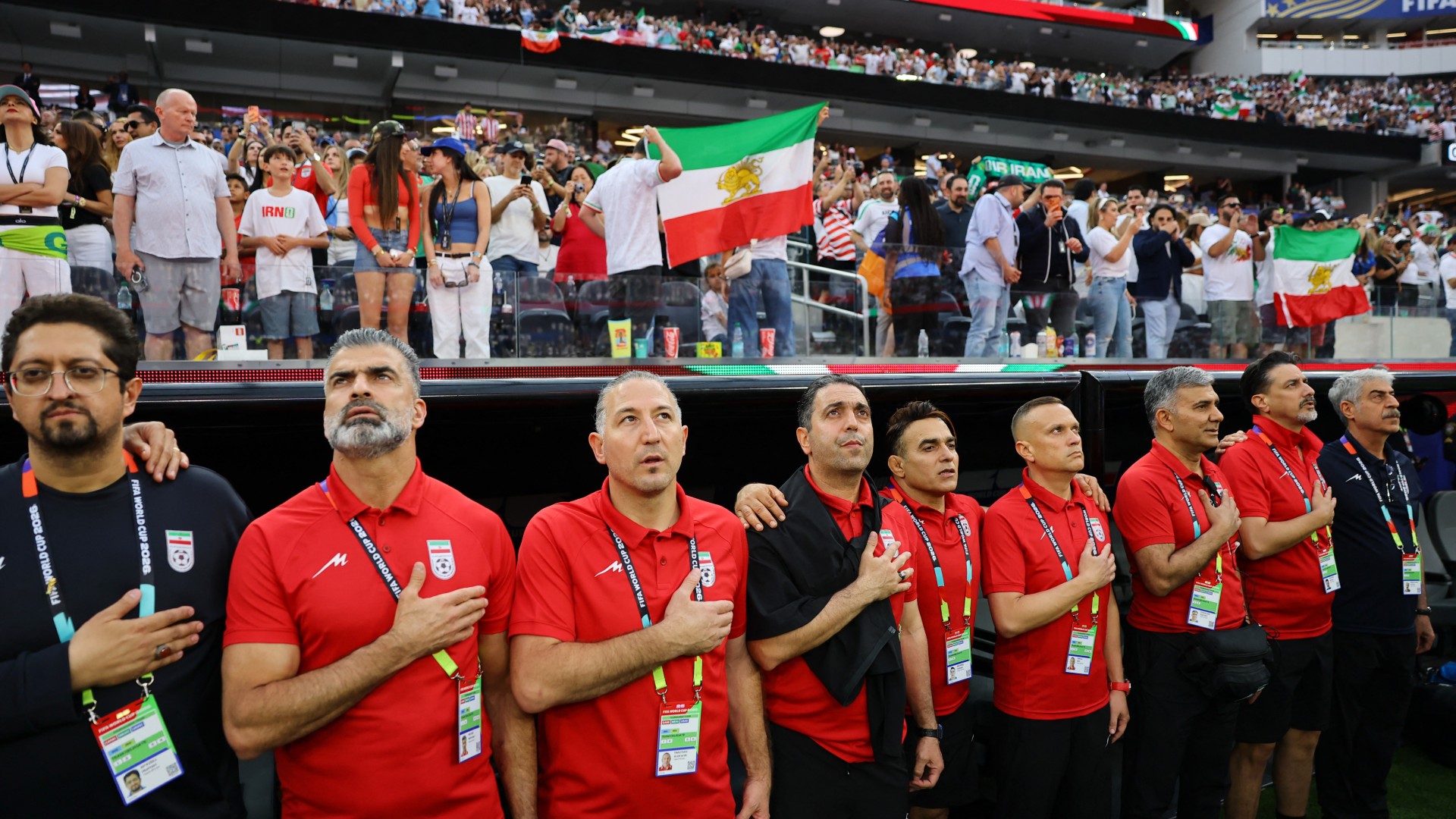
As one of the qualified teams competing in football’s biggest global tournament, Iran’s national squad, commonly known as Team Melli, has emerged as one of the unlikeliest stories of this World Cup — not for on-pitch performance, but for a cascade of off-field obstacles that players and coaching staff blame on politically motivated restrictions imposed by United States authorities. The roster and support personnel have faced repeated logistical disruptions and entry barriers since the tournament launched last week, with the team’s leadership saying these hurdles have directly undermined their ability to prepare properly for matches.
The most recent disruption followed the team’s opening intercontinental playoff against New Zealand in Los Angeles this Monday. Immediately after the final whistle, the squad was ordered to depart the city the same day to return to their pre-tournament base camp in Mexico, a mandatory move that upended the team’s planned recovery schedule. Speaking to reporters after the match, striker Mehdi Taremi and goalscorer Mohammad Mohebi confirmed the last-minute travel order was not the team’s choice; the squad had arranged to stay an extra day in Los Angeles to hold a low-intensity recovery session to help players recover from match fatigue. “They have said we have to leave immediately,” Iranian head coach Amir Ghalenoei confirmed in his remarks to the press.
The rushed post-match travel is far from the only logistical issue the team has encountered. Ahead of the New Zealand match, the squad was also forced to adjust their travel plans, only arriving in Los Angeles 24 hours before kickoff — a day later than the team had originally scheduled. The tight timeline left players with almost no time to acclimate to the time change and venue before taking the pitch. Ghalenoei described the cumulative disruption as deeply disorienting for the squad, noting “We are really troubled by that. We don’t know why they are returning us, to be honest. It seems very strange. It seems others are doing the planning for us. Our team is the most oppressed one in the whole World Cup.” Taremi echoed that frustration, adding that “Everything is like a disaster, actually, for us.”
When the squad finally arrived in Los Angeles for the match, they were also met by a small protest organized by members of the Iranian diaspora, who displayed American, Israeli, and pre-1979 revolution Iranian flags. According to Taremi, the visa and travel restrictions facing the team were put in place months before the tournament even began, and the squad has grown exhausted of navigating the constant barriers. An anonymous official from the Iranian Football Federation confirmed that 11 members of the team’s official delegation have been denied entry to the United States, a gap that has left the squad short of key off-field support. “Our president isn’t here, our media isn’t here, many of our management team aren’t here,” Ghalenoei explained.
According to reporting from The Athletic, even the team’s post-match press conference addressing these issues was interrupted, with FIFA officials attempting to cut the interview short as players and the head coach outlined their frustrations to assembled journalists. After the match, FIFA president Gianni Infantino visited the Iranian team in their locker room to acknowledge their struggles. Taremi told reporters that while Infantino has expressed a willingness to assist, the core issues stem from outside of FIFA’s control, hinting that US political pressure is the root cause of the restrictions. “For sure, he wants to try to help us, but it’s about other things too. You know, everyone knows. (I don’t) need to mention that, because you know where we are,” Taremi said. Iranian state news agency Tasnim reported that Infantino told the squad “I know what you go through, I understand. But you are stronger than everything, and you send a strong message to the entire world.” In response, Ghalenoei pushed for FIFA to take a stronger stance to protect the team from non-sporting political interference.
The disruptions to the Iranian squad extend beyond travel and visa issues. Just days before the tournament kicked off, FIFA revoked the Iranian Football Federation’s allocated ticket allotment — equal to 8% of the relevant stadium capacity — at the last minute, barring most Iranian supporters from attending the team’s matches in person. The Iranian federation directly blamed US pressure for FIFA’s decision, saying in a statement that “The United States has now taken steps to obstruct the presence of Iranian supporters at the stadiums. The incident raises serious questions about the influence of non-sporting and political considerations on the organisation of the world’s biggest football event.”
Despite the string of obstacles, the Iranian team has stressed that the unfair treatment will not stop them from putting forward their best performance in the tournament. Taremi emphasized that the situation is not just bad for his squad, but for the integrity of global football itself. “It’s not good for us, you know? It’s not good for football, because in a World Cup, you have to prepare well for the next game, because it is a lot of stress for the players, staff, and everyone. But we don’t have that support, and I think Fifa has to help us more than this,” he told reporters.