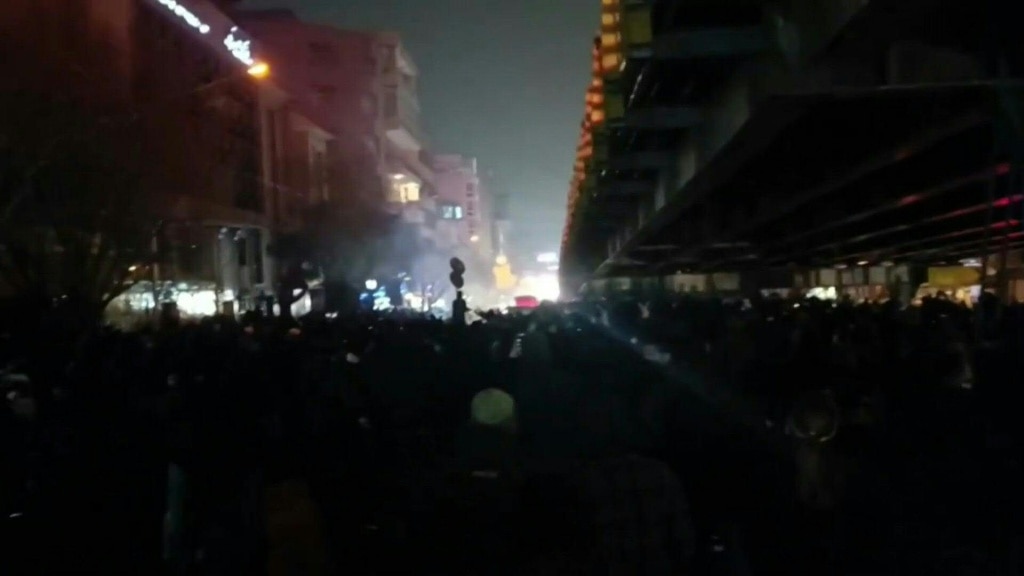
Iran’s leadership has declared its preparedness for both military confrontation and diplomatic engagement as international concern mounts over the government’s lethal crackdown on nationwide protests. Foreign Minister Abbas Araghchi stated Monday that while the Islamic Republic “is not seeking war,” it remains “fully prepared” for such an outcome, simultaneously expressing openness to negotiations conducted with “equal rights and mutual respect.
The protests, now entering their third week, have evolved from initial economic grievances into one of the most significant challenges to Iran’s theocratic system since the 1979 revolution. The government has responded with an extensive internet blackout exceeding 84 hours, severely limiting information flow and raising concerns about the true scale of casualties.
Amid the turmoil, a complex diplomatic dance unfolds. U.S. President Donald Trump claimed Iranian leaders had contacted him seeking negotiations, though he cautioned that Washington “may have to act before a meeting.” Despite the absence of formal diplomatic relations, communication channels remain open through special envoys and the Swiss embassy, which represents U.S. interests in Tehran.
The human cost continues to escalate dramatically. Norway-based Iran Human Rights documented at least 192 confirmed fatalities but warned the actual toll could reach “several hundreds” or potentially exceed 2,000 according to unverified reports. Opposition groups cite even higher numbers, with the banned People’s Mujahedin (MEK) claiming over 3,000 deaths. Iranian state media acknowledges dozens of security force casualties while presenting images of returning normalcy.
Globally, the pre-revolutionary Iranian flag has emerged as a symbol of solidarity with protesters. Incidents including the replacement of Iran’s embassy flag in London with the historical banner have triggered diplomatic repercussions, with Tehran summoning the British ambassador in response.
The government is simultaneously organizing pro-regime rallies and declaring three days of national mourning for what it terms “riot” victims, creating competing narratives about the nation’s stability and the protest movement’s future trajectory.