In a significant military demonstration coinciding with high-stakes diplomatic engagements, Iran announced the temporary closure of the Strait of Hormuz on Tuesday for live-fire exercises. This strategic waterway, through which approximately 20% of global oil shipments transit, became the stage for Iranian missile tests as nuclear negotiations with the United States continued indirectly in Geneva.
The closure marks Tehran’s first such action since increased U.S. military presence began accumulating in the region, raising concerns about potential escalation in Middle Eastern tensions. While Iranian state media cited “safety and maritime concerns” as justification for the several-hour closure, the timing appears strategically linked to the ongoing nuclear discussions.
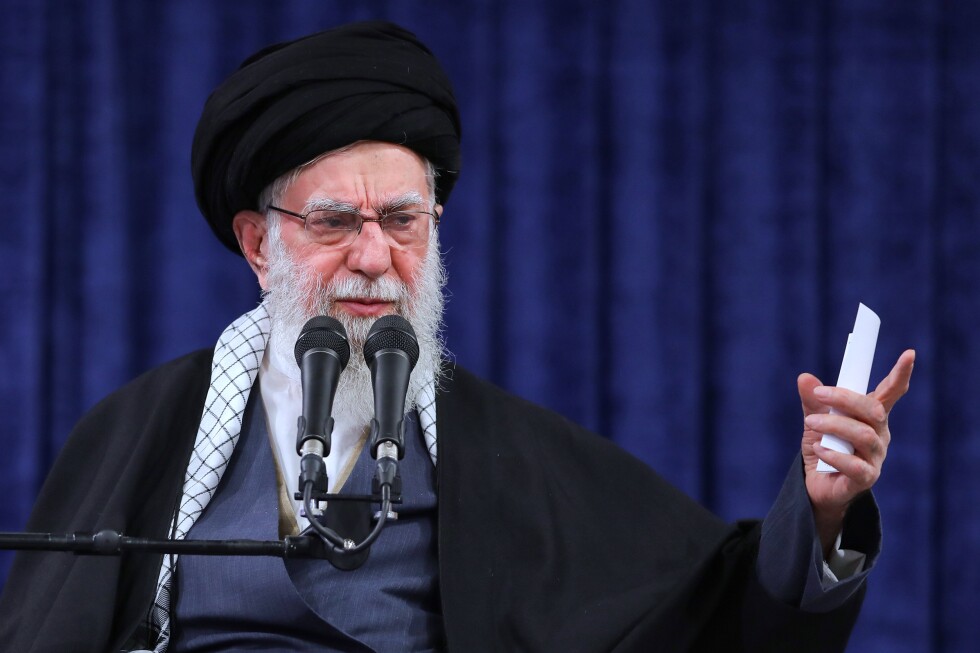
Supreme Leader Ayatollah Ali Khamenei delivered characteristically stern warnings during the exercises, stating that “the strongest army in the world might sometimes receive such a slap that it cannot get back on its feet.” This rhetoric contrasted sharply with the more conciliatory tone adopted by Iranian Foreign Minister Abbas Araghchi, who expressed optimism about the negotiations, noting that “a new window has opened” for potential agreement.
The talks, mediated by Oman and hosted at the Omani envoy’s residence in Geneva, involved U.S. representatives Steve Witkoff and Jared Kushner meeting separately with Iranian officials through intermediaries. President Donald Trump indicated his indirect involvement, commenting to reporters aboard Air Force One that he believed Iran “want[s] to make a deal” and wished to avoid “the consequences of not making a deal.”
Meanwhile, Iran’s Revolutionary Guard conducted its second live-fire drill in recent weeks, launching missiles toward the Strait from coastal positions. This military posturing occurs alongside increased U.S. naval presence, including the deployment of the USS Gerald R. Ford aircraft carrier group to join the USS Abraham Lincoln already stationed in the region.
The negotiations aim to establish constraints on Iran’s nuclear program, which Tehran maintains is for peaceful purposes despite enriching uranium to 60% purity—technologically proximate to weapons-grade levels. The discussions represent the first serious engagement since previous talks were disrupted by regional conflicts involving Israeli military actions against Iranian nuclear infrastructure.
Oman’s Foreign Minister Badr Albusaidi reported “good progress towards identifying common goals and relevant technical issues,” suggesting potential diplomatic advancement despite the concurrent military demonstrations.