Fresh confrontations and conflicting claims roiled US-Iran relations on Wednesday, as overlapping military clashes, congressional scrutiny, and stalled diplomatic talks laid bare the deep divisions between the two adversaries amid a broader regional conflict.
Iran opened the day by announcing it had launched a strike against a US military vessel operating near the Gulf of Oman, which Tehran claimed hosted a US command and control center that had entered Iranian territorial waters. The account was immediately rejected by US Central Command, which denied any attack had taken place against an American vessel in the region.
The day’s deadliest violence unfolded at Kuwait International Airport, where a stray projectile caused extensive structural damage, one fatality, and approximately 60 injuries. Initial blame for the strike fell on Iran, but Tehran countered that the damage stemmed from a malfunctioning US Patriot missile interceptor fired during its own barrage of more than 30 ballistic missiles targeting positions in Kuwait. US Central Command labeled Iran’s missile launch a “deliberate, calculated, and unjustified attack” against the Gulf state. Iran has long alleged that Kuwait permits the US to use its territory as a staging ground for strikes against Iranian targets, a claim Kuwait has repeatedly denied. Kuwaiti authorities have also arrested and deported individuals who filmed missile activity in the country, and reaffirmed this week that it has not allowed Washington to use its military bases for the US-Israeli campaign against Iran that launched on February 28.
The escalating violence drew sharp criticism from congressional Democrats during a Wednesday hearing featuring Secretary of State Marco Rubio before the House Foreign Affairs Committee. Gregory Meeks, the committee’s top Democratic member, repeatedly pressed Rubio for a direct yes-or-no answer on whether the secretary had warned President Donald Trump that US strikes against Iran would trigger retaliatory attacks against American allies, partners, and US citizens residing and working across the Middle East. Rubio only responded that the administration had been fully prepared for any Iranian response.
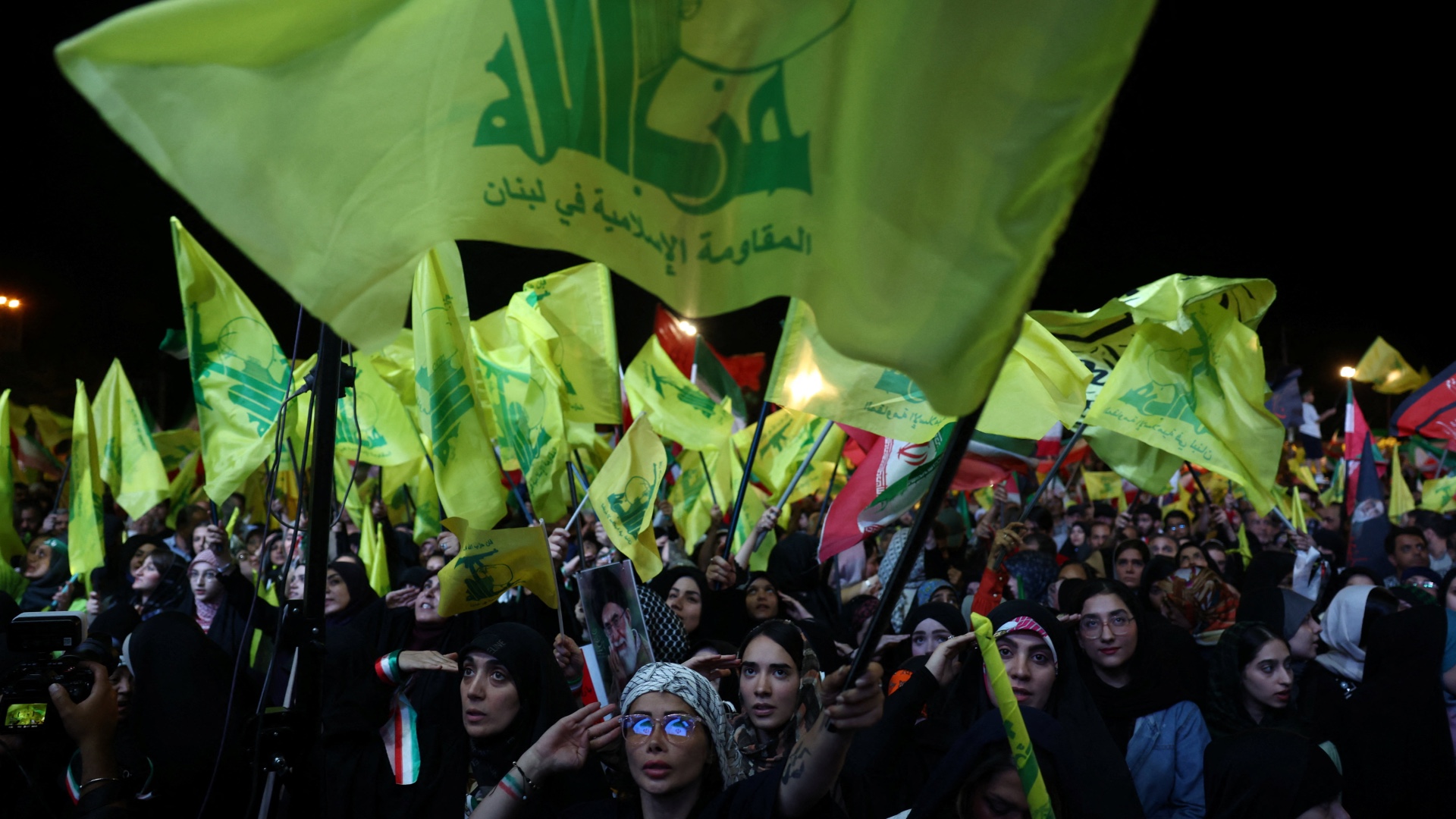
The day’s developments came after a fragile Pakistani-brokered ceasefire between the parties collapsed earlier this month, bringing a resumption of open hostilities. Despite the escalation, however, Iran confirmed Wednesday that indirect negotiations with the US have resumed, after Iranian officials pulled back from talks earlier this week to protest Israel’s ongoing intensive bombardment of Lebanon, where Iran backs key ally Hezbollah. Iranian Foreign Minister Abbas Araghchi told Lebanese broadcaster al-Mayadeen that diplomatic channels have not been severed, though no substantive progress has been achieved to date. “Text exchanges have continued between the two delegations,” Araghchi confirmed.
The core sticking points of the negotiations remain unchanged. The Trump administration has insisted that any final agreement must require Iran to end all nuclear enrichment activity and dismantle its ballistic missile program—two demands that Tehran has repeatedly labeled non-negotiable red lines. Rubio defended the administration’s military campaign, Operation Epic Fury, to lawmakers on Wednesday, noting the operation has now been fully wound down, and that he does not characterize the ongoing exchange of fire as a full-scale war. “Operation Epic Fury achieved its core goal of degrading Iran’s conventional missile and drone shield, and it forced Tehran back to the negotiating table,” Rubio said. “Our hope is that this will lead Iran to abandon its nuclear enrichment ambitions entirely.”
Iran’s semi-official Fars News Agency, citing an anonymous source within the Iranian negotiating delegation, reported Wednesday that any preliminary memorandum of understanding between the two sides will require a four-stage approval process, signaling that a final agreement will likely take months to finalize. That timeline contradicts repeated public statements from President Trump, who has suggested in recent press briefings that a deal with Iran could be reached in the very near term. Iran has also added a new non-nuclear precondition to any agreement: Tehran has made clear it will not sign any deal that fails to guarantee an end to Israeli strikes on Lebanese territory.
Parallel talks focused on stabilizing the Lebanon front continued this week in Washington, where Lebanese and Israeli officials convened for a third round of negotiations on Tuesday and Wednesday. The talks followed an announcement from Trump Monday that he had held a call with Hezbollah representatives, who confirmed the group would abide by a proposed ceasefire. Israeli Prime Minister Benjamin Netanyahu has pushed back on that framework, saying he would only agree to a ceasefire that applies to Beirut, leaving open the option of continued air strikes and ground operations in southern Lebanon.
This independent reporting was originally published by Middle East Eye, which provides on-the-ground coverage of the Middle East and North Africa region.