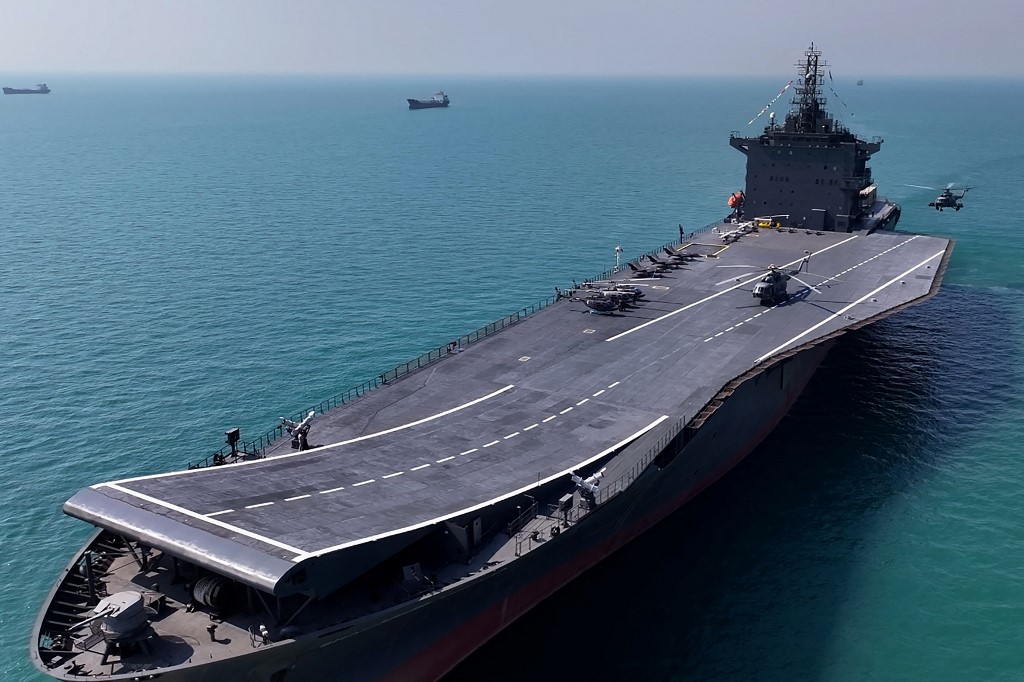
Iran’s Islamic Revolutionary Guard Corps (IRGC) has intercepted a commercial vessel flying the flag of Eswatini, alleging the ship was transporting contraband fuel through strategic Persian Gulf waters. The seizure occurred on Sunday, with naval forces redirecting the ship to the port of Bushehr following the discovery of approximately 350,000 liters of what authorities described as smuggled petroleum products.
According to IRGC statements published through state media channels, the vessel’s thirteen crew members comprised nationals from India and another neighboring country, though specific details regarding their identities or conditions remain undisclosed. The incident prompted immediate diplomatic pushback from the African nation of Eswatini, which formally denied any association with the ship or its activities.
In an official communiqué, the Eswatini government asserted: ‘The Kingdom of Eswatini maintains no connection whatsoever to the vessel reportedly seized in Iranian waters. We categorically reject attempts to associate our nation with maritime criminal activities and confirm that no ships are currently authorized to fly the Eswatini flag.’
This event represents the latest in a series of maritime interceptions conducted by Iranian forces targeting vessels accused of illicit fuel transportation through the Strait of Hormuz—a critical chokepoint for global oil shipments. Just last month, Iranian authorities similarly captured a Marshall Islands-flagged tanker navigating these geographically pivotal waters, citing violations related to unauthorized cargo without providing comprehensive specifics.
These escalating maritime incidents unfold against a backdrop of deteriorating diplomatic relations between Iran and Western powers concerning Tehran’s nuclear ambitions. United Nations sanctions, including comprehensive arms embargoes, were reinstated in September following the collapse of multilateral nuclear negotiations. The diplomatic impasse deepened in June when Omani-mediated talks between Iran and the United States collapsed subsequent to military strikes conducted by Israeli and American forces against Iranian interests.
While Tehran maintains that its nuclear program remains exclusively peaceful and denies pursuing nuclear weapons capabilities, the reinstated sanctions reflect the ‘snapback’ mechanism embedded within the 2015 Joint Comprehensive Plan of Action. This agreement had initially suspended punitive measures in exchange for rigorous restrictions on Iran’s nuclear activities, creating a framework that now appears increasingly fragile amid current geopolitical tensions.