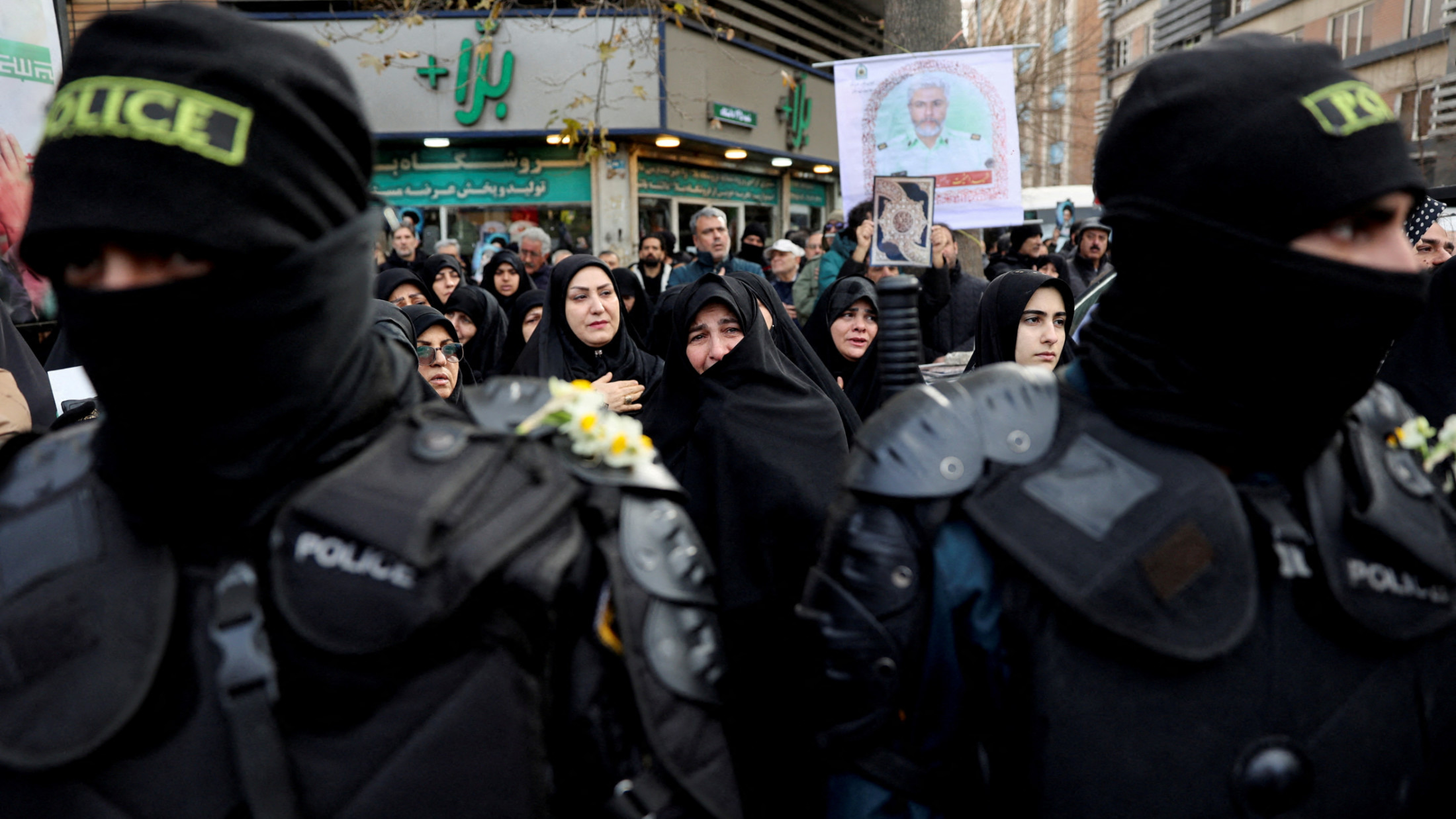
Iranian authorities have officially acknowledged 3,117 fatalities resulting from the nationwide anti-government demonstrations that commenced in late December. The protests erupted against a backdrop of severe economic deterioration and the unprecedented devaluation of the national currency.
According to a declaration from Iran’s Martyrs Foundation, 2,427 of the deceased were classified as ‘martyrs,’ comprising security personnel and innocent civilians caught in the unrest. The remaining casualties were identified as protesters. This official disclosure contrasts sharply with assessments from international human rights organizations, which allege significantly higher casualty figures and accuse security forces of employing excessive, lethal force against demonstrators.
Amiry-Moghaddam, a co-founder of the Oslo-based Iran Human Rights NGO, provided disturbing accounts in a recent video interview with Middle East Eye, claiming that security personnel executed wounded individuals with headshots. These allegations are reinforced by data from the US-based Human Rights Activists News Agency (Hrana), which documented a death toll of 4,519. Their investigation details 4,251 protesters, 197 security personnel, 35 children, and 38 bystanders among the fatalities, with an additional 9,049 deaths under ongoing scrutiny. Hrana further reported at least 26,314 arrests and 5,811 individuals sustaining serious injuries.
Iranian leadership has consistently refuted accusations of security force brutality, instead attributing the unrest to foreign interference. Senior military officials, including Armed Forces Chief of Staff Abdolrahim Mousavi, have accused the United States and Israel of deploying ISIS-affiliated mercenaries within Iran to attack both civilians and security forces. This rhetoric was amplified by Islamic Revolutionary Guard Corps Commander General Mohammad Pakpour, who issued a stark warning to Israel and the US against ‘miscalculations,’ asserting that his forces had their ‘finger on the trigger.’
These developments unfolded alongside heightened international discourse on Iran. Israeli President Isaac Herzog publicly advocated for regime change in Iran during an address at the World Economic Forum in Davos. Concurrently, US President Donald Trump indicated a openness to diplomatic negotiations with Tehran, stating that the initiative originated from Iranian officials and that Washington was prepared to engage.