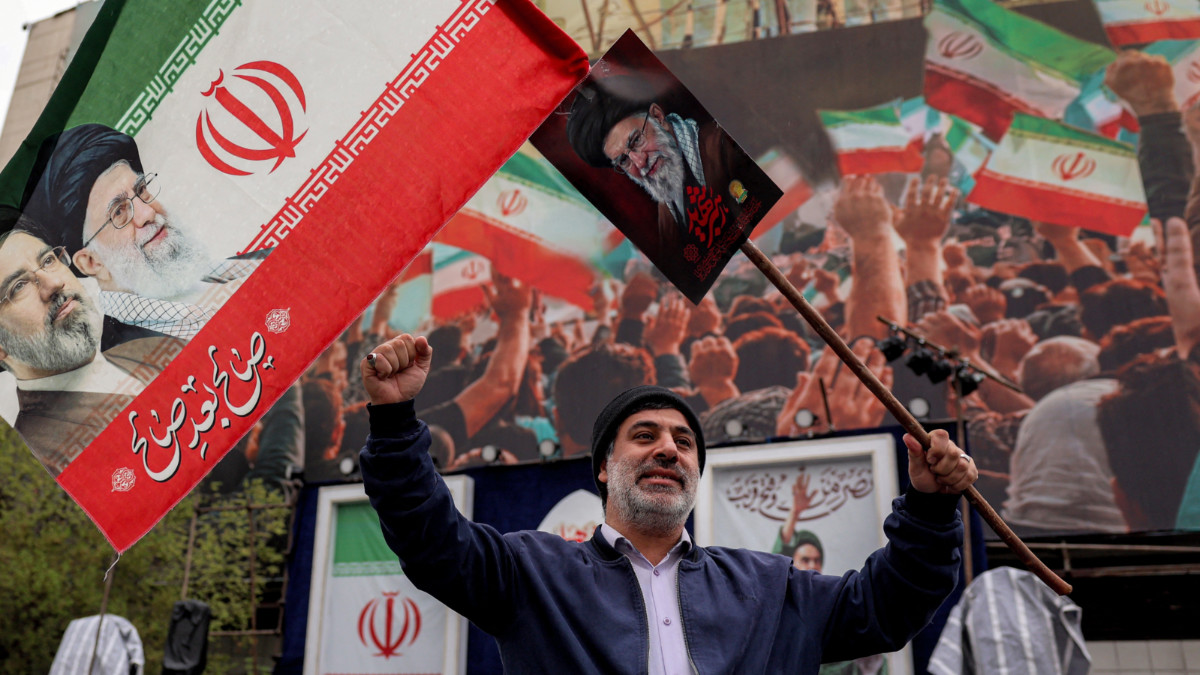
In a significant escalation of diplomatic tensions, the Islamic Republic of Iran has formally dismissed a United States proposal to conclude the ongoing military conflict, instead presenting a comprehensive set of conditions necessary for any potential peace agreement. This development was reported exclusively by Iranian state media on Wednesday.
An unnamed high-ranking Iranian official, speaking to Iran’s Press TV, stated that the nation had delivered a negative response to a 15-point ceasefire plan allegedly advanced by the Trump administration and conveyed through Pakistani diplomatic channels. The official emphatically declared that the timeline for ending hostilities would be determined solely by Tehran, not by Washington’s dictates.
The Iranian counter-proposal outlines five non-negotiable prerequisites for peace. Foremost among these demands is an immediate and complete cessation of all aggressive military actions and targeted assassinations perpetrated by both US and Israeli forces. Tehran further insists on the establishment of verifiable mechanisms to prevent future attacks, the provision of comprehensive war reparations, and formal international recognition of its sovereign right to regulate maritime transit through the strategically vital Strait of Hormuz—a conduit for approximately one-fifth of global energy supplies.
A critical component of Iran’s position involves the inclusion of its regional allied militias, such as Hezbollah in Lebanon, in any peace settlement. This condition implicitly calls for an end to Israel’s military operations within Lebanese territory. The Iranian military command reinforced this hardline stance through an official video statement, asserting that reconciliation with the US remains perpetually inconceivable and characterizing American proposals as disguises for military defeat.
This diplomatic impasse occurs against a backdrop of intensified warfare. Despite claims from US President Donald Trump that military objectives including ‘regime change’ had been successfully achieved, conflict persists across the region. Bahrain, Kuwait, Jordan, and Saudi Arabia have reported sustained drone and missile attacks, while US and Israeli forces continue aerial bombardments within Iran. In a notable show of force, Iran claims to have targeted the USS Abraham Lincoln carrier group with cruise missiles, compelling the fleet to reposition.
International mediation efforts led by Turkey, Pakistan, and Egypt have thus far failed to gain traction. Analysts, including former MI6 chief Sir Alex Younger, suggest Iran currently maintains strategic advantages, particularly through its effective control of the Strait of Hormuz. The rejected US proposal, as detailed by Israeli media, offered sanctions relief in exchange for the complete dismantlement of Iran’s nuclear program, restrictions on its ballistic missile capabilities, and the dissolution of its regional proxy network.