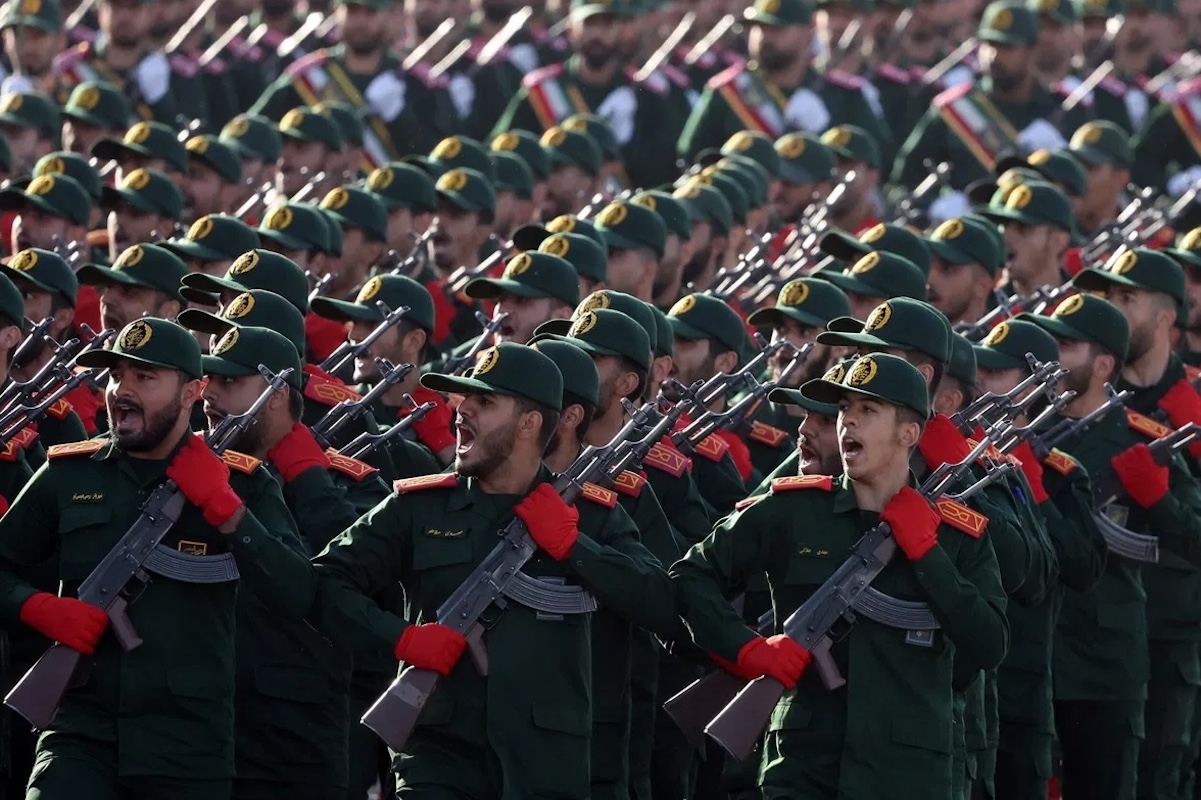
In an unprecedented call to action, US President Donald Trump and Israeli Prime Minister Benjamin Netanyahu have publicly urged Iranian citizens to overthrow their government following extensive aerial bombardment campaigns. Both leaders characterized this moment as a “once-in-a-lifetime opportunity” for regime change, despite Iranian civilians facing the Islamic Revolutionary Guard Corps—a 150,000-strong security apparatus with demonstrated lethal capabilities against dissent.
The parallel appeals, delivered via video messages from Trump’s Florida estate and Netanyahu’s office, emphasized temporal urgency. “When we are finished, take over your government. It will be yours to take,” Trump declared, adding this might be “your only chance for generations.” Netanyahu, having consistently identified Iran as regional antagonist to Israel throughout his three-decade career, echoed similar sentiments about the historical window.
This strategy faces substantial practical obstacles according to security analysts. Daniel Block, Foreign Affairs senior editor, noted that “armed bombing campaigns have never in history incited successful uprisings” and that eliminating state repressive capacity through aerial attacks remains “incredibly difficult.” The absence of organized opposition movements with weaponry further complicates prospects for successful civilian mobilization.
Historical parallels raise additional concerns. The 1991 Iraqi uprising following President George H.W. Bush’s encouragement resulted in approximately 80,000 Kurdish and Shiite casualties after Saddam Hussein’s forces crushed rebellions—a scenario that current leadership appears to disregard. Instead, the administration seems focused on avoiding extended military engagements labeled as “forever wars,” preferring Venezuelan-style regime change without ground troop commitment.
Critical differences emerge in comparing Iran to Venezuela. The Revolutionary Guard represents a comprehensive security entity overseeing political control, border defense, ballistic missile operations, and strategic choke points like the Strait of Hormuz—through which 31% of global oil shipments transit. Unlike Venezuela, Iran possesses significant asymmetric warfare capabilities including drones, naval mines, and cyber operations that provide substantial regional leverage.
Secretary of State Marco Rubio clarified that primary objectives involve preventing nuclear weapons development and eliminating long-range missile capabilities, while Trump simultaneously expressed openness to negotiations—creating ambiguity regarding ultimate regime change intentions.