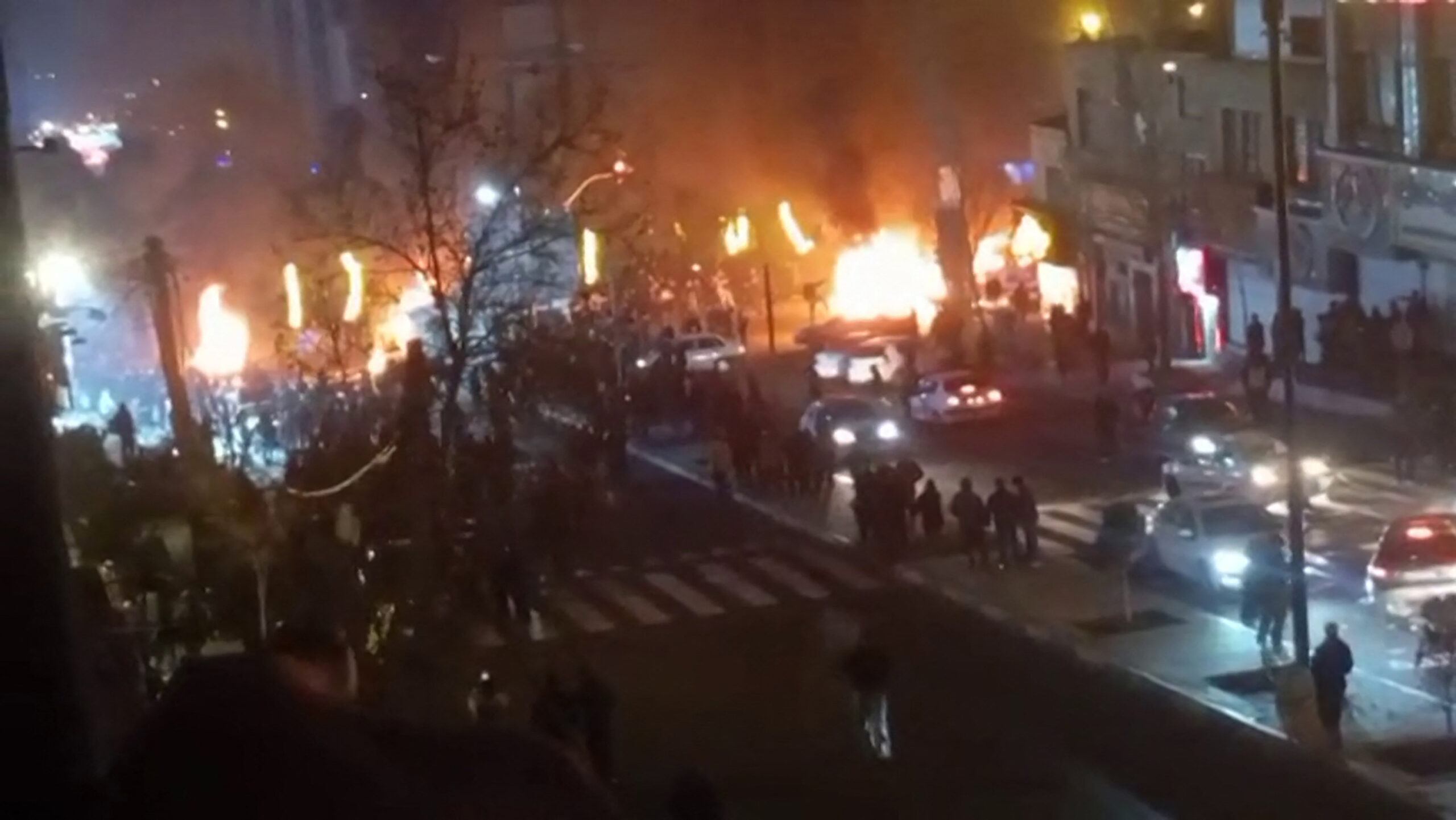
Eighteen days of sustained civil unrest have shaken Iran, transforming from initial economic grievances into a full-fledged movement challenging the establishment’s authority. The protests, which erupted on December 28th due to severe economic hardships affecting citizens’ ability to afford basic necessities, have since evolved into nationwide demonstrations demanding systemic change.
A sophisticated media warfare campaign has emerged alongside the physical confrontations. Both Iranian government channels and Persian-language media outlets with monarchist affiliations—reportedly backed by Israeli and American interests—are circulating AI-generated content, fabricated news, and manipulated imagery, creating an information battlefield that obscures factual reporting.
The government-imposed nationwide internet blackout initiated on January 8th has severely hampered verification efforts, making independent assessment of casualty figures and events nearly impossible. Despite these challenges, Middle East Eye has compiled eyewitness accounts, expert analyses, and verified visual evidence to reconstruct the unfolding crisis.
Security forces have dramatically escalated their response tactics, transitioning from crowd control measures to deploying live ammunition against protesters. This strategic shift occurred following the internet shutdown, with Islamic Revolutionary Guard Corps (IRGC) special units and Basij paramilitary forces taking leading roles in suppression operations. Verified footage indicates IRGC forces are extensively involved in lethal operations against demonstrators.
Current estimates from Norway-based Iran Human Rights (IHRNGO) indicate at least 734 protest-related fatalities, including 12 children, with thousands injured and over 10,000 arrests. The organization emphasizes these figures likely represent undercounts due to communication restrictions. Anonymous officials cited by Reuters suggest approximately 2,000 deaths may have occurred.
Disturbing evidence from medical facilities reveals overwhelmed morgues with bodies displaying execution-style wounds. A documented case involving 23-year-old student Rubina Aminian shows victims predominantly aged 18-22 with close-range neck shots. State media has simultaneously co-opted the narrative, framing casualties as results of foreign-backed terrorist attacks rather than state violence.
The government has initiated psychological operations by publicly displaying victims’ bodies while declaring national mourning for security force ‘martyrs’. Judicial authorities have announced imminent public fast-track trials for detained protesters, raising concerns about expedited executions reminiscent of previous crackdowns.
As pro-establishment rallies mobilize government supporters, the conflict represents both an internal power struggle and a proxy information war involving international actors. The situation continues evolving amid communication blackouts and escalating violence, with the world watching one of Iran’s most significant challenges to state authority in recent history.