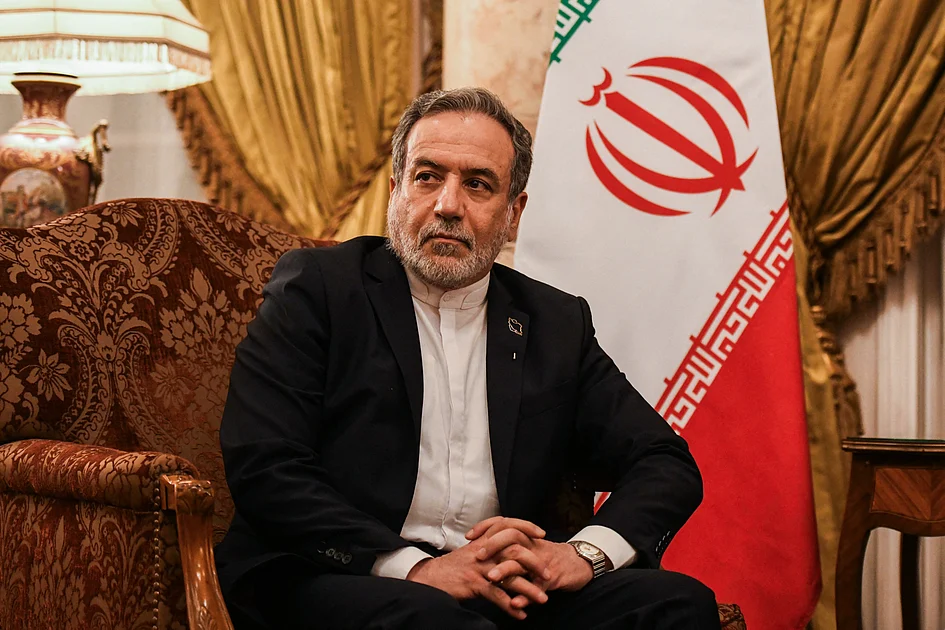
Iranian Foreign Minister Abbas Araqchi delivered a carefully calibrated message on Monday, asserting Tehran’s military preparedness while simultaneously expressing willingness for diplomatic engagement. “The Islamic Republic of Iran is not seeking war but is fully prepared for war,” Araqchi declared during a conference of foreign ambassadors in Tehran. “We are also ready for negotiations but these negotiations should be fair, with equal rights and based on mutual respect.”
The statement comes amid escalating tensions following widespread protests that began on December 28 over economic hardships before evolving into broader anti-government demonstrations. According to U.S.-based rights group HRANA, the unrest has resulted in 490 protester fatalities and 48 security personnel deaths, with over 10,600 arrests—though these figures remain unverified independently due to Iran’s internet blackout implemented since Thursday.
President Donald Trump acknowledged potential diplomatic channels, revealing that Iranian officials had expressed interest in negotiating their nuclear program. “Iran wants to negotiate, yes. We might meet with them,” Trump told reporters aboard Air Force One. However, he simultaneously emphasized that the United States was considering “a range of strong responses including military options” to address Tehran’s violent crackdown on protesters.
The situation has prompted serious security concerns throughout the region. Iranian Parliament Speaker Mohammad Baqer Qalibaf, a former Revolutionary Guards commander, issued a stark warning: “In the case of an attack on Iran, the occupied territories (Israel) as well as all US bases and ships will be our legitimate target.”
Iranian authorities have accused the United States and Israel of instigating the unrest, declaring three days of national mourning “in honor of martyrs killed in resistance against the United States and the Zionist regime.” State television broadcast footage showing large pro-government demonstrations in multiple cities and dozens of body bags at the Tehran coroner’s office, attributing the deaths to “armed terrorists.”
The geopolitical implications extend beyond bilateral relations. Three Israeli sources confirmed their nation was on high alert for potential U.S. intervention, recalling the 12-day war between Iran and Israel in June 2025 that briefly involved American forces. Regional analysts suggest the protests represent one of the most significant challenges to Iran’s Islamic leadership since the 1979 revolution, particularly as Tehran continues recovering from last year’s conflict and weakened regional position.