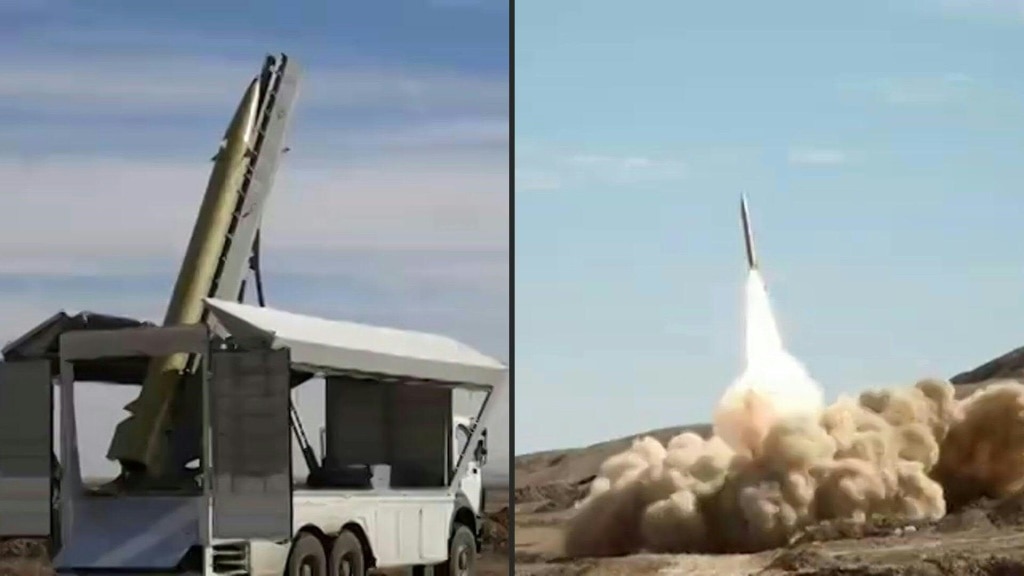
A high-level Iranian delegation led by Foreign Minister Abbas Araghchi departed for Geneva on Wednesday to resume critical negotiations with the United States, creating a pivotal moment for Middle East diplomacy. The talks occur against a backdrop of heightened military tensions and conflicting statements from both nations regarding Iran’s nuclear and missile capabilities.
Iranian President Masoud Pezeshkian expressed cautious optimism about the diplomatic process, stating he maintained a “favorable outlook for the negotiations” while emphasizing Iran’s commitment to moving beyond the current “neither war nor peace” situation under the guidance of Supreme Leader Ali Khamenei.
The diplomatic engagement follows President Donald Trump’s State of the Union address where he accused Tehran of pursuing “sinister nuclear ambitions” and developing missiles capable of threatening European targets and U.S. bases overseas. Trump asserted he would “never allow the world’s number one sponsor of terror to have a nuclear weapon” while preferring diplomatic solutions.
Iranian officials promptly dismissed these allegations as “repetition of ‘big lies’.” Technical assessments indicate Iran’s missile range currently reaches approximately 2,000-3,000 kilometers, falling significantly short of continental United States targets.
The negotiations represent the first major diplomatic engagement since previous talks collapsed following Israel’s attack on Iran and subsequent military exchanges. Recent weeks have seen substantial U.S. military deployments to the region, including two aircraft carrier groups, amplifying concerns about potential conflict.
Tehran residents expressed divided perspectives, with some predicting inevitable conflict while others believed American threats represented mere bluffing. One homemaker noted the devastating humanitarian consequences war would bring, acknowledging current hardships while questioning whether conflict might at least provide clarity.
International security analysts suggest the massive military buildup may have created political complications for the U.S. administration, as failure to secure an agreement following such demonstrative force deployment could impact presidential credibility.