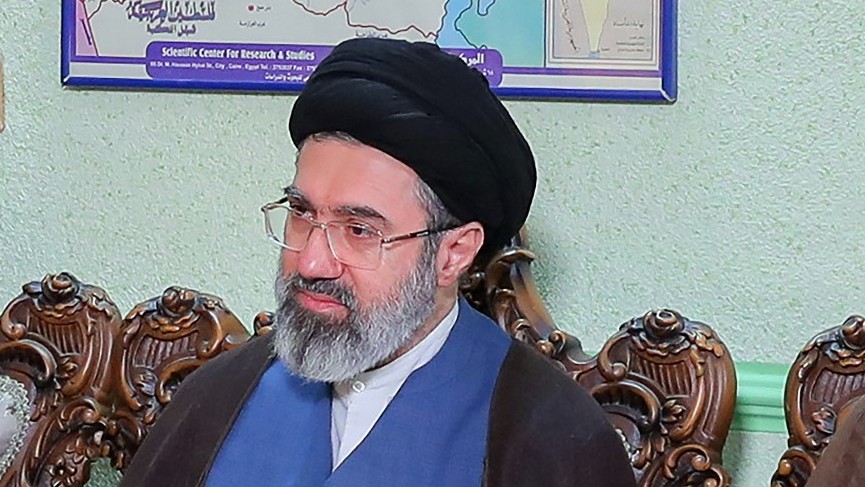
In a pivotal transition of power, Iran’s Assembly of Experts has formally designated Mojtaba Khamenei as the nation’s third Supreme Leader following the revolutionary era. This decisive appointment comes merely days after coordinated Israeli-American strikes eliminated his father, Ayatollah Ali Khamenei, along with multiple family members including Mojtaba’s wife Zahra Adel and mother Mansoureh Khojasteh Bagherzadeh.
The 88-member constitutional body, responsible for selecting Iran’s highest authority, conducted Sunday’s leadership determination under extraordinary circumstances. The assembly’s meeting occurred despite recent military actions targeting Qom—a principal center of Shia scholarship—where experts were anticipated to convene for this critical decision.
Constitutional scholars emphasize that the succession process followed established legal protocols rather than representing hereditary power transfer. The 56-year-old Mojtaba, a respected Shia scholar with extensive theological training, previously survived assassination attempts—a factor that potentially reinforced his candidacy as Tehran demonstrates resilience against external pressure.
The leadership transition unfolds amid escalating regional hostilities. Israeli Defense Minister Israel Katz publicly declared that any successor to the slain ayatollah would remain ‘a certain target for assassination,’ reflecting the intensified geopolitical tensions. Conversely, U.S. President Donald Trump previously dismissed Mojtaba’s potential appointment as ‘unacceptable’ while controversially asserting his own right to influence Iran’s leadership selection.
Educated in Qom’s prestigious seminaries under prominent Islamic jurists, the new Supreme Leader specialized in advanced theological studies while maintaining influential connections within the Islamic Revolutionary Guard Corps (IRGC). His combat experience during the Iran-Iraq war within the IRGC’s Habib Battalion contrasts with his absence from elected office or formal government positions.
State media reports indicate the Assembly of Experts reached their determination through ‘decisive vote,’ simultaneously urging Iranian intellectuals and religious scholars to pledge allegiance to the new leadership. This transition occurs as Iranian officials characterize current military pressures as existential threats to the nation’s territorial integrity and political sovereignty.