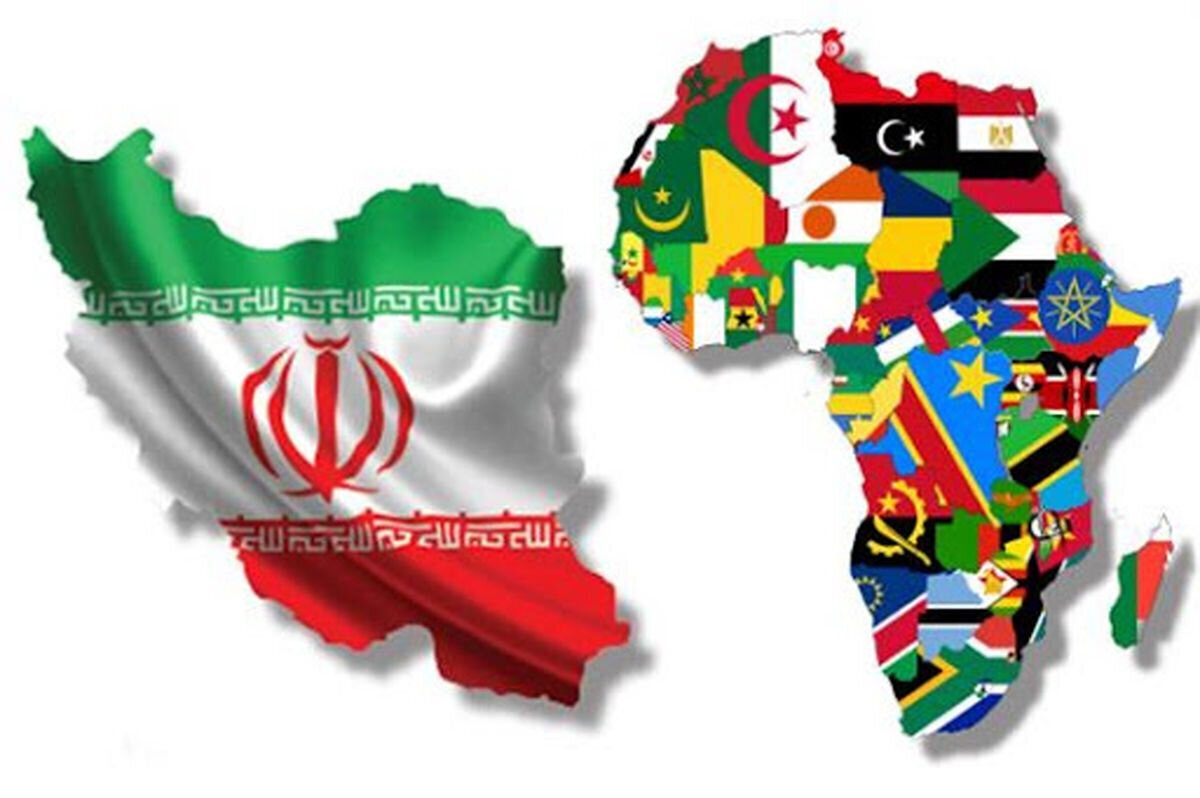
In a significant geopolitical pivot, Burkina Faso’s security minister embarked on a strategic mission to Tehran on November 12, 2025, resulting in substantial bilateral advancements. The West African nation officially reopened its Iranian embassy while finalizing new security cooperation agreements and initiating talks to strengthen agricultural and industrial ties.
This diplomatic engagement transcends routine bilateral relations, representing Iran’s calculated response to mounting international pressures. Following the 2023 Gaza conflict initiation by Hamas—a Tehran-aligned Palestinian group—Iran faced escalating political and economic crises. The nation’s regional proxy network, termed the ‘axis of resistance,’ faced extreme strain from Israel’s military campaigns against Hamas and Hezbollah, compounded by the collapse of Syria’s Assad regime in late 2024.
Tehran’s challenges culminated in a devastating 12-day war with Israel in June 2025, involving direct U.S. participation, followed by reinstated EU-imposed UN sanctions under the nuclear deal snapback mechanism. Concurrently, Iran confronts an environmental emergency with severe drought conditions affecting the capital.
Amid these multidimensional crises, Iranian officials are pursuing geostrategic diversification through intensified African outreach. According to Iran foreign policy experts, the nation is strengthening ties with historically reliable partners like Burkina Faso, creating opportunities for security cooperation, critical mineral access, and sanctions-bypassing export markets.
Beyond Burkina Faso, Iran has accelerated engagement with Sahel region nations including Mali and Niger—countries that have experienced military coups since the early 2020s and distanced from Western influence. Facing significant security threats from rebel groups and jihadists, these nations view Iran as a potential security partner for arms, drones, and military equipment.
The economic dimensions are equally strategic: Iran seeks access to Burkina Faso and Mali’s gold reserves and Niger’s uranium resources—the latter being particularly crucial should Tehran decide to reconstitute its nuclear program after wartime damages. Recent months have seen flurries of diplomatic activity: Iranian and Malian foreign ministers held successive meetings in May 2024 and October 2025, committing to strengthened bilateral relations and mutual support in international forums.
In April-May 2025, Iran and Niger signed comprehensive economic and security agreements, including a landmark deal for Tehran to acquire 300 tons of uranium for $56 million. From February to October, Iran pursued deepened relations with Sierra Leone, seeking both uranium access and diplomatic support in multilateral institutions, though Freetown ultimately voted against lifting Iran sanctions at the UN Security Council due to British aid dependencies.
Iran’s African strategy extends beyond West Africa, encompassing partnerships with Malawi for sanctions-circumventing aircraft imports, strengthened security ties with South Africa (its largest continental trading partner), and multifaceted agreements with Zimbabwe covering economic, environmental, and medical tourism cooperation.
During October’s Non-Aligned Movement foreign ministers meeting in Kampala, Iranian Foreign Minister Abbas Araghchi met Ugandan President Yoweri Museveni, thanking Uganda for condemning U.S.-Israeli actions during the recent conflict. The discussions highlighted Iran’s interest in Ugandan uranium and cobalt resources, vital for lithium batteries and industrial manufacturing.
Despite this expansive outreach, Iran faces substantial constraints including trade competition from Middle Eastern rivals like the UAE—a major trading partner for multiple African nations. The reinstated UN sanctions and ongoing global economic pressures may give African governments pause when considering deeper ties with Tehran. Additionally, the transactional nature of Iran’s engagements risks generating distrust among partners, exemplified by reported drone supplies to Eritrea during tensions with Ethiopia—potentially complicating Tehran’s relations with Addis Ababa.
As Iran navigates domestic and international crises, its African pivot represents both strategic opportunity and complex challenge, with time determining whether the benefits will outweigh the inherent constraints of this geopolitical reorientation.