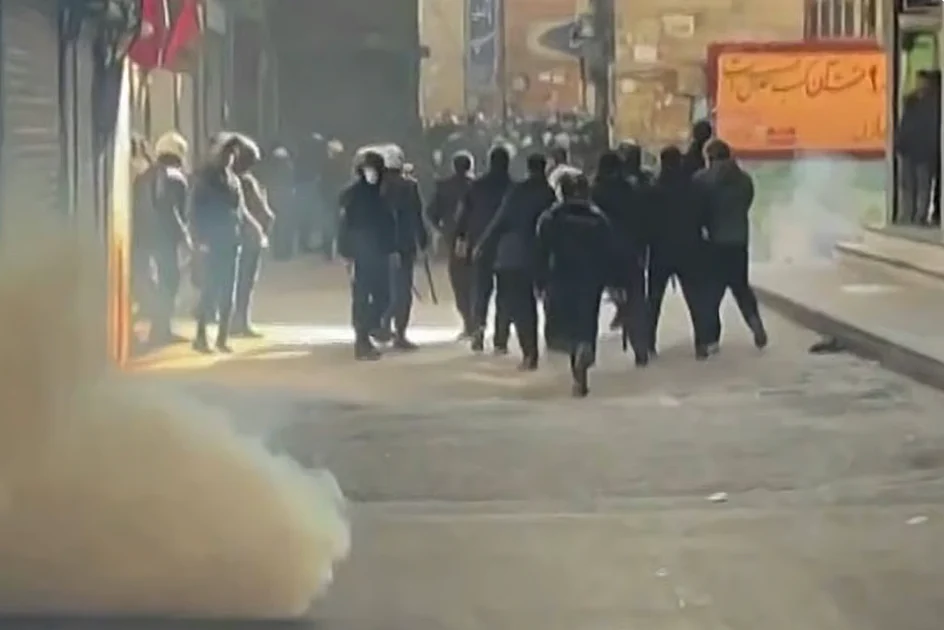
Iranian authorities have delivered a stark three-day ultimatum to participants of nationwide demonstrations, demanding their surrender or facing severe legal consequences. National police chief Ahmad-Reza Radan characterized young protesters as “deceived individuals” rather than enemy combatants, offering leniency for those who voluntarily submit to authorities.
The unrest represents the most significant challenge to Iran’s leadership in recent years, though the full extent of casualties remains obscured by an ongoing internet blackout now entering its eleventh day. According to Iran Human Rights NGO, verified fatalities have reached 3,428 protesters killed by security forces, though director Mahmood Amiry-Moghaddam warns the actual death toll could be “higher by many thousands,” potentially constituting one of the largest mass killings of protesters in contemporary history.
In a coordinated response, Iran’s executive, legislative, and judicial branches issued a joint statement acknowledging the need to address economic hardships that initially sparked demonstrations while simultaneously vowing to “decisively punish” what they describe as instigators of “terrorist incidents.” The government maintains that peaceful protests were hijacked by foreign adversaries, specifically naming the United States and Israel as orchestrators of destabilization efforts.
Material damage has been substantial, with Mashhad officials reporting over $15 million in public infrastructure destruction alone. Limited internet restoration began briefly on Sunday, with officials promising gradual normalization throughout the week.
International reaction has emerged with Turkish President Recep Tayyip Erdogan characterizing the situation as a “new test” for Tehran, expressing confidence that Iranian leadership would navigate this “trap-filled period” through dialogue and diplomacy while pledging Turkey’s opposition to regional destabilization.