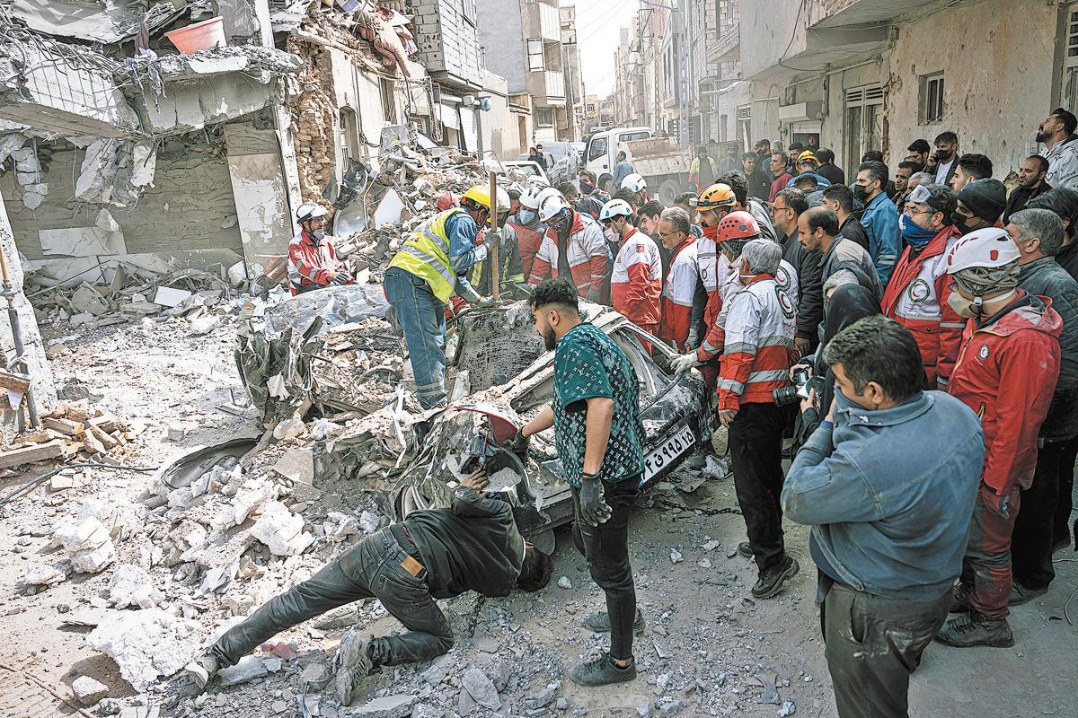
Iran has formally rejected a comprehensive 15-point ceasefire proposal presented by the United States, characterizing the terms as “excessive” and vowing to continue military operations until its own conditions are met. The proposal, delivered through Pakistani intermediaries, outlined a monthlong ceasefire framework addressing multiple contentious issues including sanctions relief, civilian nuclear cooperation, limitations on Iran’s nuclear program, International Atomic Energy Agency monitoring protocols, missile restrictions, and guarantees for shipping access through the strategically vital Strait of Hormuz.
According to reports from Iran’s state-run Press TV, Tehran will terminate the conflict “at a time of its own choosing,” with a spokesperson from Iran’s Khatam al-Anbiya Central Headquarters dismissing Washington’s diplomatic overtures while mocking American attempts to reframe military setbacks as negotiated agreements. “Our first and last word has been, is, and will always be: Someone like us will not come to terms with someone like you. Not now, and not ever,” the spokesperson emphasized.
The diplomatic impasse occurs amid confusion regarding Iran’s negotiating channels, with experts noting a “deeper structural problem” in the absence of a clearly unified Iranian representation. Meanwhile, international efforts to mediate continue, with Pakistan offering to host negotiations between Washington and Tehran. Pakistani Prime Minister Shehbaz Sharif affirmed his country’s readiness to “facilitate meaningful and conclusive talks for a comprehensive settlement.”
Concurrently, Turkish Foreign Minister Hakan Fidan and Chinese counterpart Wang Yi discussed the conflict in a phone conversation, emphasizing the urgent need for cessation of hostilities and highlighting the critical importance of maintaining uninterrupted operation of transport lines, energy networks, and supply chains.
International concern continues to mount regarding regional stability, with IAEA Director-General Rafael Grossi reiterating calls for maximum restraint following attacks on Iran’s Bushehr nuclear power plant. The diplomatic landscape reflects increasing transatlantic divergence, as European leaders express concern that military-focused approaches undermine diplomatic channels while exposing Europe to secondary economic and security repercussions.
Regional stakeholders including Oman and Qatar have emphasized the necessity of Gulf Cooperation Council inclusion in any negotiations determining the region’s future, with Qatari former prime minister Hamad bin Jassim bin Jaber Al Thani asserting that regional security “is not a secondary matter, nor a file to be discussed on our behalf; rather, it is the essence of our stability and existence.”