The Trump administration has formally established a groundbreaking international conflict resolution mechanism requiring member nations to contribute $1 billion for permanent representation. Dubbed the ‘Board of Peace,’ this organization represents a significant shift in diplomatic approach, blending financial commitment with geopolitical influence.
According to the founding charter obtained by AFP, the board’s mandate extends beyond its initial conception for Gaza reconstruction to address global conflicts wherever they emerge. The preamble defines the organization’s mission as promoting stability, restoring lawful governance, and securing enduring peace in conflict-affected regions through internationally sanctioned peace-building functions.
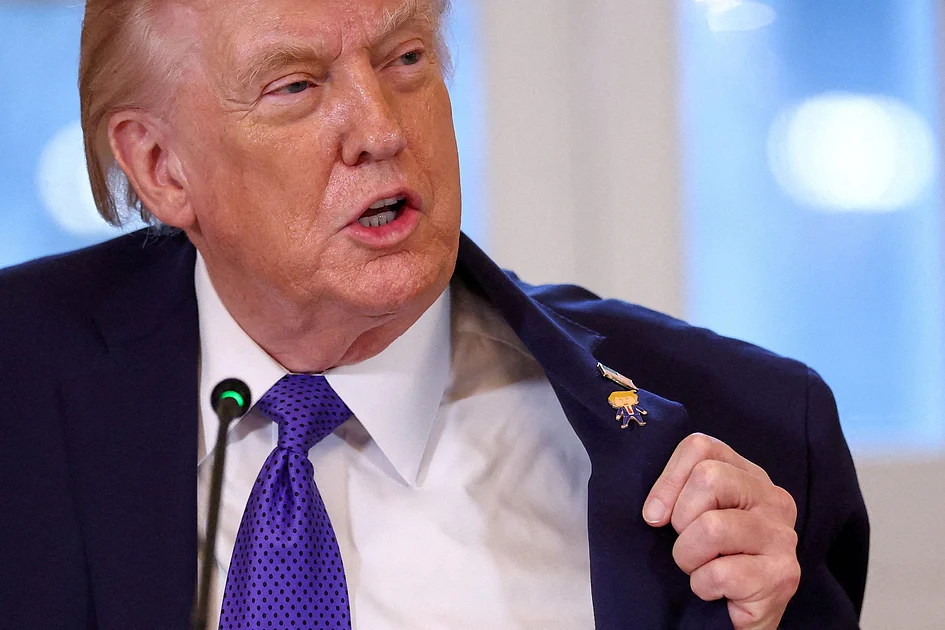
President Trump will serve as permanent chairman while simultaneously representing United States interests. The charter grants him sweeping authority, including exclusive power to create or dissolve subsidiary entities, appoint executive board members described as ‘leaders of global stature,’ and adopt binding resolutions. Chairman replacement provisions are exceptionally restrictive, allowing removal only through voluntary resignation or demonstrated incapacity.
Membership requires presidential invitation and representation at head-of-state level. While standard terms span three years, nations contributing the $1 billion fee within the first year receive permanent membership status. Voting procedures combine majority consensus with ultimate chairman approval, including tie-breaking authority.
The preliminary membership roster features prominent figures including Secretary of State Marco Rubio, Special Negotiator Steve Witkoff, Jared Kushner, former UK Prime Minister Tony Blair, World Bank President Ajay Banga, and billionaire financier Marc Rowan. National invitations have extended to Russia, Canada, Egypt, Argentina, and numerous European and Asian nations, though formal commitments remain pending.
The charter becomes operational upon ratification by three founding states, marking a potential transformation in how international conflict resolution is structured and funded.