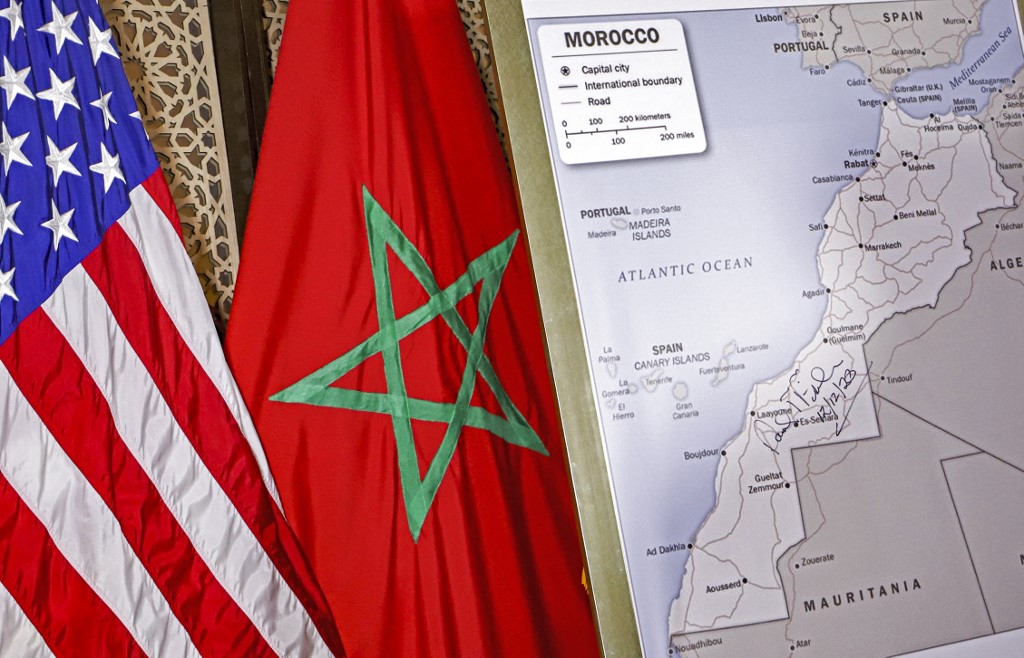
The United States has embarked on an intensified diplomatic initiative to resolve the decades-long Western Sahara conflict, convening three clandestine meetings between Morocco and Polisario Front representatives since autumn 2023. This marks the first direct engagement between the primary antagonists in years, though Middle East Eye’s diplomatic sources indicate the process has proven more challenging than anticipated.
President Donald Trump’s administration seeks to position itself as a peacemaker in Africa, mirroring its approach to other global conflicts. Washington aims to broker a solution that satisfies Moroccan territorial claims without alienating Algeria, the key supporter of the Sahrawi independence movement.
The negotiations have occurred at the foreign minister level, with minimal progress reported. The core disagreements center on the degree of autonomy for the region and the involvement of the Sahrawi people in determining their political future.
Historical context reveals a conflict originating from Spain’s 1975 withdrawal from its last African colony. The United Nations classifies Western Sahara as a non-self-governing territory, with Morocco controlling 80% of the land since a 1991 ceasefire. The sparsely populated 266,000 sqkm desert region hosts approximately 600,000 inhabitants, predominantly Moroccan soldiers, with indigenous Sahrawis numbering fewer than 50,000. An additional 165,000 Sahrawis live as refugees in Algerian camps.
Trump’s December 2020 recognition of Moroccan sovereignty over Western Sahara—in exchange for Morocco joining the Abraham Accords and normalizing relations with Israel—marked a significant policy shift. This position was reinforced in October 2024 through UN Resolution 2797, which endorsed autonomy under Moroccan sovereignty as a feasible solution. Russia and China abstained from voting.
Morocco’s expanded autonomy proposal, developed by royal advisers and extending to 38 pages in January 2024, forms the basis of current negotiations. US envoy Massad Boulos facilitated meetings in Washington and Madrid, attended by diplomatic representatives from Morocco, Polisario Front, Algeria, and Mauritania.
The negotiations face fundamental divisions: Morocco seeks to maintain sovereignty with limited autonomy, while the Polisario Front demands self-determination through referendum and associated state status similar to Puerto Rico’s relationship with the US. The Sahrawi delegation insists any agreement must be ratified exclusively by the Sahrawi people, while Morocco proposes constitutional reform approved by all Moroccan citizens.
Underlying tensions include concerns that successful autonomy in Western Sahara could inspire similar demands in other Moroccan regions, and Algeria’s strategic interest in maintaining influence through the Polisario Front. The US ultimately aims to reconcile Algeria and Morocco to counter Chinese influence in Africa, though no breakthrough appears imminent. No fourth meeting has been scheduled, indicating the diplomatic process remains stalled.