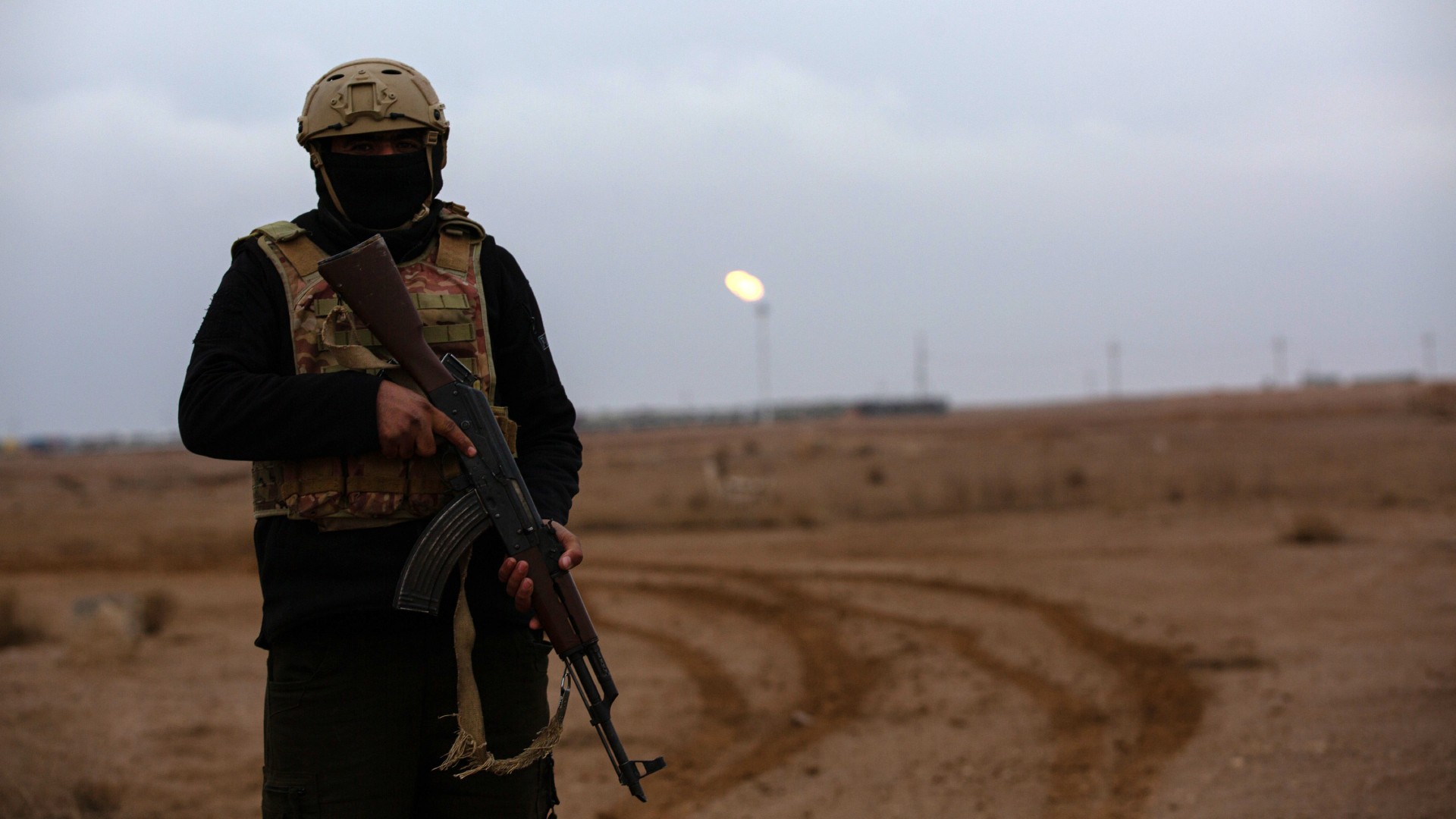
In the scarred landscapes of northeastern Syria, Abu Aicha navigates a perimeter of strategic importance. Flanked by armed guards, he patrols the apocalyptic terrain of al-Omar oilfield—Syria’s largest petroleum reserve—where rusted pipelines and bomb-cratered earth testify to years of conflict. Recently reclaimed by Syrian government forces after nearly a decade under Kurdish-led administration, this facility represents far more than energy infrastructure: it symbolizes the economic lifeline that has repeatedly shifted Syria’s balance of power.
The transfer of control followed a January 18 agreement between Damascus and Syrian Democratic Forces (SDF) commander Mazloum Abdi, effectively ending Kurdish autonomous administration in the northeast. The fighting that preceded the agreement lasted nearly two hours, with soldiers like Abu Taim recalling the operation’s urgency. “Before, we were forced to buy oil from them. These are resources that belong to the country,” he states, reflecting the sentiment among government forces.
For local soldiers like 23-year-old Omar, the reclaiming carries profound significance: “I felt my land had been colonised by the SDF. Everything was transported to Hasakah. Deir Ezzor suffered economically from losing access to its own resources.” Another soldier, Mohamed Othman, 25, describes the emotional impact: “It’s as if we were born again.”
Despite the symbolic victory, operational challenges remain staggering. Engineer Raed al-Sadoun describes damage exceeding 90 percent, requiring complete rehabilitation of wells, stations, and transfer points. “Each well needs to be studied individually,” he explains, noting that production goals of 30,000 barrels daily depend entirely on reconstruction resources and timelines.
The economic implications are monumental. According to Benjamin Fève, a Syria specialist at Karam Shaar Advisory, oil revenues constituted approximately 77% of the Kurdish administration’s total revenues—$416 million in the first half of 2025 alone. These funds supported 220,000 public employees and 85,000 fighters, making autonomy financially viable. “Oil did not trigger the Syrian conflict, but it financed its prolongation,” Fève observes, noting how control over energy resources allowed armed actors to build rival governance systems.
While immediate budget impacts may be limited, al-Omar’s light crude compatibility with Syria’s Baniyas refinery makes it strategically vital for reducing imports and relaunching national production. With recoverable reserves estimated at 520 million barrels, the field remains a prize worth fighting for—even amidst the devastation that requires intensified patrols against looters and complex reconstruction efforts that may require years to complete.