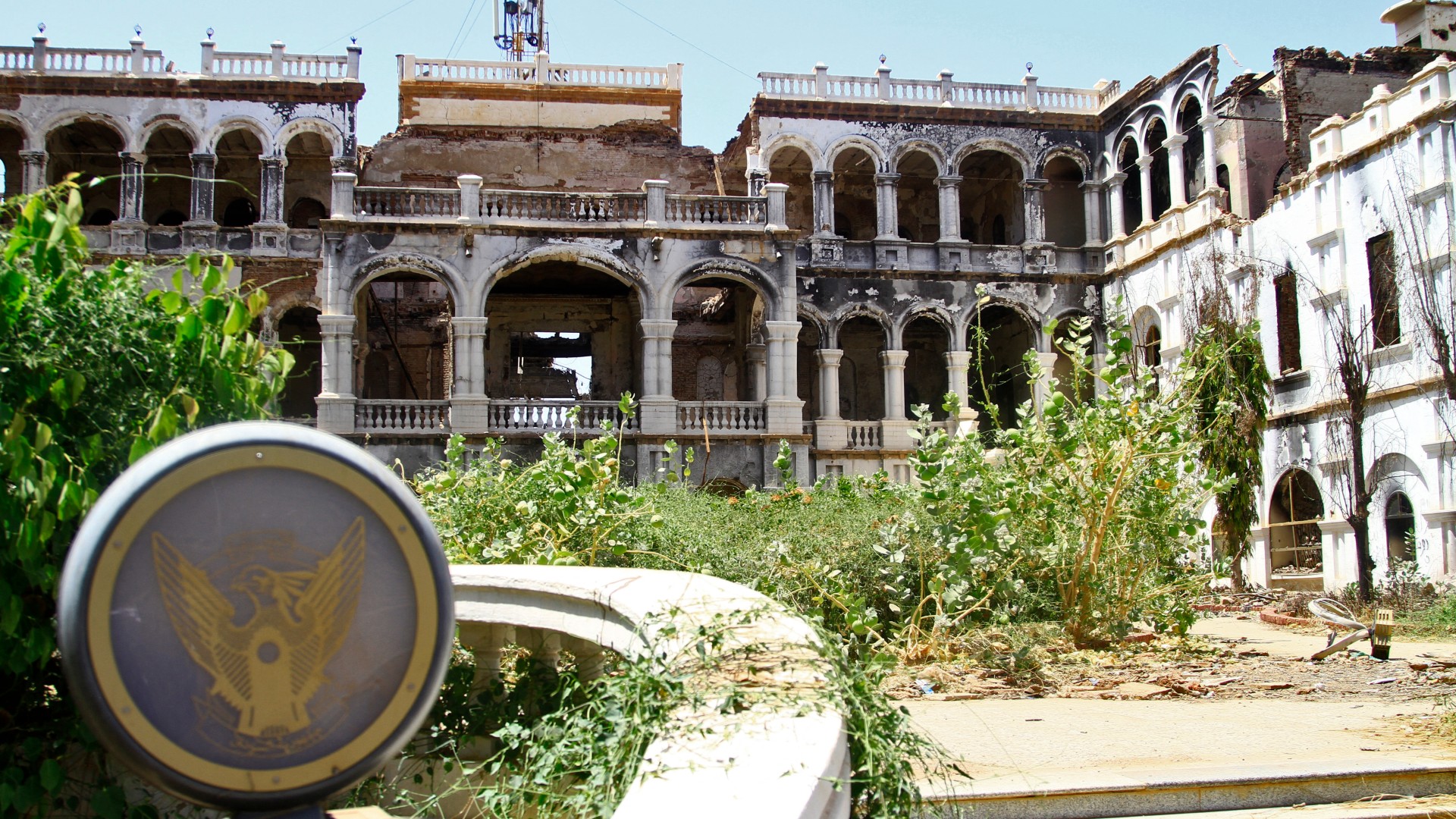
The skeletal remains of Khartoum stand as a haunting monument to Sudan’s devastating civil conflict. A derelict armored vehicle, mounted with anti-aircraft artillery, now corrodes within the shattered lobby of the once-grand Meridien hotel. Colonial-era hospitals lie inoperative while government structures and commercial towers bear the scorched evidence of urban warfare.
Palace Road, historically the city’s vibrant artery, now echoes with an eerie silence broken only by birdsong. This desolate thoroughfare leads to the Republican Palace—a site of profound historical significance where General Gordon perished in 1885 and where, over a century later, Rapid Support Forces (RSF) paramilitaries reportedly executed presidential guardsmen.
The conflict ignited in April 2023 when the RSF—a paramilitary organization with origins in the Janjaweed militias accused of genocide in Darfur—clashed with the Sudanese Armed Forces (SAF) over integration disputes. What followed was a systematic campaign of urban destruction that transformed the capital into a battleground.
Beyond physical infrastructure, the war targeted Sudan’s cultural soul. The National Museum, home to invaluable artifacts spanning from the biblical Kingdom of Kush to Islamic arrival eras, suffered catastrophic looting. Archaeologist Rehab Khider reported discovering 2,000 priceless artifacts missing, with RSF fighters allegedly occupying the museum and even shooting ancient mummies in search of gold.
The destruction extended to Sudan’s broadcasting heritage at the national radio station, where archival recordings documenting decades of cultural history were deliberately incinerated. Culture Minister Khalid Ali Aleisir condemned these actions as intentional cultural erasure, stating: ‘The RSF do not just want to kill the Sudanese people, they want to erase our country too.’
Amid the devastation, one symbol endures: the massive statue of King Taharqa, the ‘Black Pharaoh,’ protected by its immovable weight and steel encasement. This ancient monument now stands as both reminder of Sudan’s glorious past and potential harbinger of future restoration.