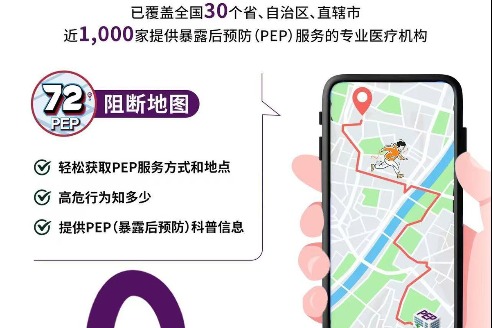
In a significant advancement for public health infrastructure, Chinese health authorities have launched an innovative digital tool to combat HIV transmission. The “HIV Post-Exposure Prophylaxis Map” application debuted in Beijing just before World AIDS Day observances, representing a technological leap forward in national prevention efforts.
This comprehensive platform integrates geolocation technology with educational resources, creating a centralized database of service points across China where individuals can access post-exposure prophylaxis (PEP) treatment. The application provides real-time guidance to users who may have experienced potential HIV exposure, directing them to the nearest available healthcare facility where they can obtain critical antiretroviral medications.
The initiative was formally introduced during the “2025 Youth Anti-AIDS Public Welfare Action Launch and HIV Prevention Story Sharing Session,” an event organized by the Chinese Association of STD and AIDS Prevention and Control with support from biopharmaceutical company Gilead Sciences. The gathering featured compelling personal narratives from medical professionals, community volunteers, and individuals living with HIV, all emphasizing the theme of “Proactive Choices, Control Your Life.”
Medical experts at the event highlighted the crucial 72-hour window following potential HIV exposure during which PEP treatment can effectively prevent infection. The treatment is recommended after various exposure scenarios including unprotected sexual contact, needle-sharing incidents, or occupational exposures among healthcare workers.
The launch ceremony also marked the beginning of an extensive educational campaign that will tour university and middle school campuses nationwide. This effort will be complemented by an ongoing “HIV Prevention Story Collection” initiative designed to raise awareness through personal experiences and promote scientific understanding of HIV prevention methods among younger demographics.