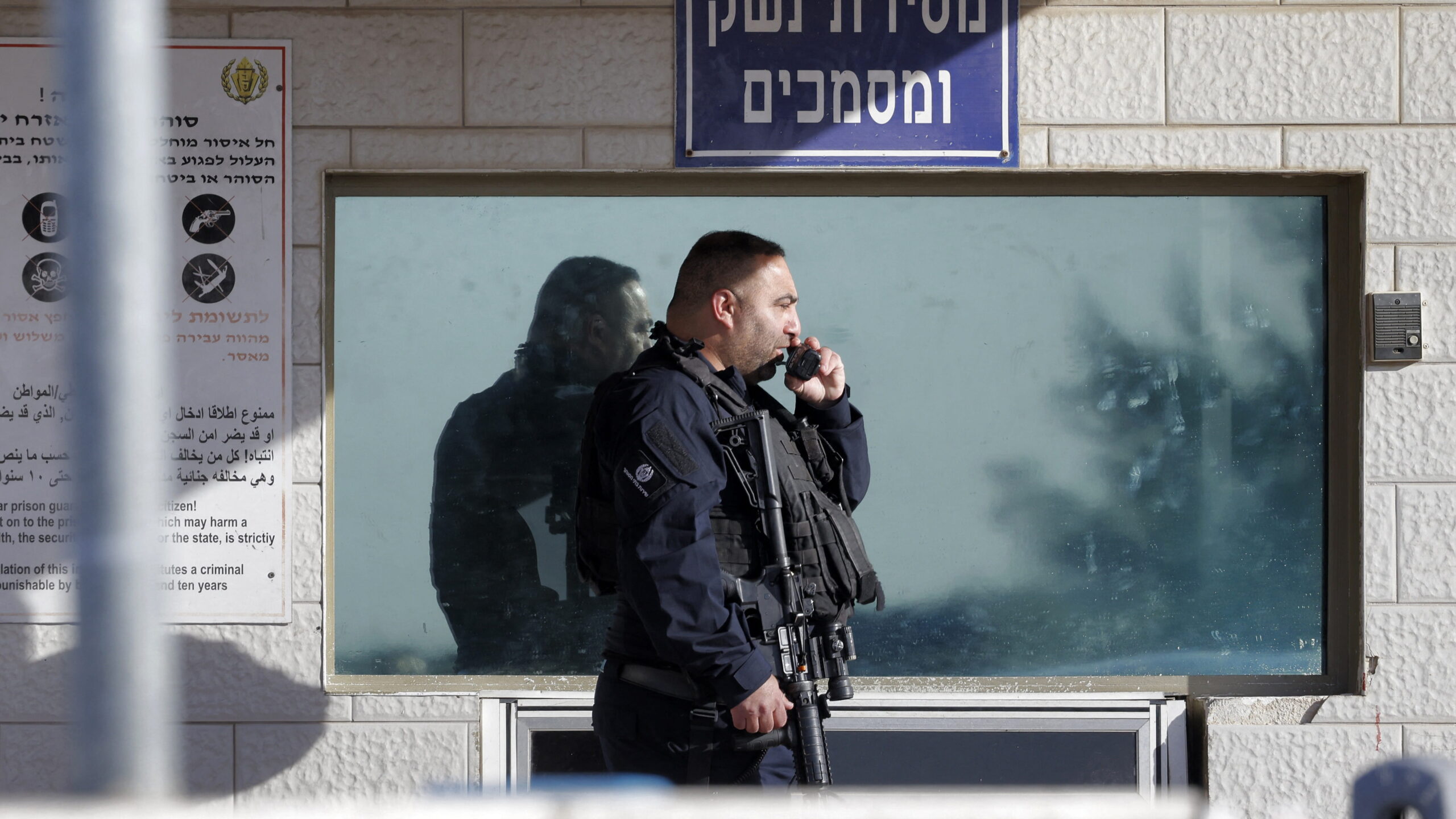
Israel’s legislative body is poised to conduct a decisive vote on Monday regarding a highly contentious bill that would authorize capital punishment for Palestinian detainees convicted of terrorism-related offenses. The proposed legislation, championed by the far-right Otzma Yehudit (Jewish Power) party, has ignited fierce international criticism and raised profound concerns about its compatibility with international legal standards.
European diplomatic leaders from Germany, France, Italy, and the United Kingdom have jointly appealed to Israeli authorities to abandon the scheduled vote. In an official collective statement, they expressed particular apprehension about the bill’s inherently discriminatory nature, cautioning that its implementation could fundamentally undermine Israel’s democratic foundations. They emphasized that “the death penalty represents an inhumane and degrading form of punishment lacking demonstrable deterrent effect,” reaffirming their unified opposition to capital punishment as a core shared value.
Legal analysts and human rights organizations have raised substantial concerns regarding the bill’s potential violation of international law. According to reports from Haaretz, Israeli military authorities themselves believe the legislation could contravene international legal standards and potentially expose military commanders to international arrest warrants. Despite these legal apprehensions, the Knesset’s National Security Committee advanced the bill last week after overriding more than 1,000 formal objections.
Prime Minister Benjamin Netanyahu reportedly attempted to moderate the bill’s original language in response to legal concerns, though experts maintain that the current formulation still constitutes a breach of international legal norms. The proposed legislation has generated profound anxiety among families of Palestinian prisoners, with many fearing their incarcerated relatives could face execution if the measure becomes law.
Sabreen Shahrouri, whose brother Muammar has been imprisoned since 2002 for his involvement in planning a bombing that killed 29 Israelis, described the devastating psychological impact on families. She detailed severe abuses allegedly endured by prisoners, including systematic beatings resulting in fractures, medical neglect, solitary confinement exceeding two years, and incidents where prison guards reportedly set dogs upon detainees. Shahrouri characterized the current prison conditions as “a slow form of execution” that constitutes “an execution of their souls before their bodies.”
Palestinian prisoners’ rights organizations have condemned the legislation as an “unprecedented act of savagery,” accusing Israel of attempting to formalize the killing of detainees amid escalating abuse reports. United Nations experts have urgently called for the bill’s withdrawal, warning that mandatory death sentences fundamentally contradict the right to life and that proposed execution by hanging would amount to torture under international law.
Israeli human rights groups including Adalah, the Public Committee Against Torture in Israel, HaMoked, and Physicians for Human Rights-Israel have jointly denounced the legislation, warning it would establish a “racialized system of capital punishment” applied almost exclusively against Palestinians. They described the bills as “among the most extreme and dangerous legislative measures ever proposed by Israel against Palestinians,” creating a discriminatory punitive framework that denies basic rights and protections.
Documented mistreatment of Palestinian detainees has dramatically intensified since October 2023, with human rights organizations reporting at least 90 fatalities occurring in Israeli custody during this period. The proposed legislation emerges against this backdrop of escalating prison abuses and widespread arrests of Palestinians on broad terrorism charges.