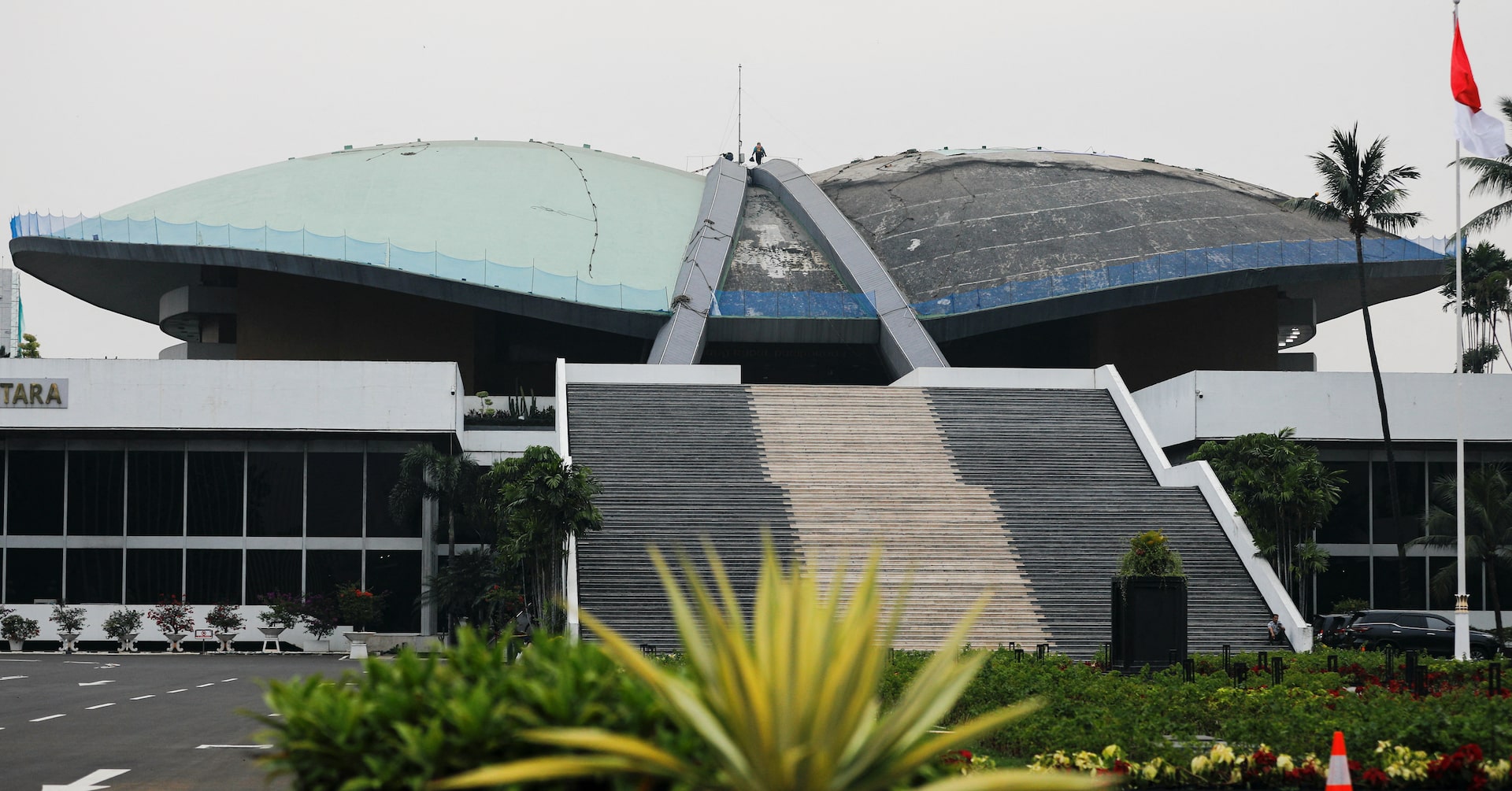
Indonesia’s parliament has taken a significant step toward approving a larger spending plan and a wider fiscal deficit for the 2026 budget than initially proposed by President Prabowo Subianto. On Thursday, the parliamentary fiscal oversight panel endorsed a total spending plan of 3,842.7 trillion rupiah ($233 billion), marking a 9% increase over the estimated 2025 budget. The fiscal deficit is projected to reach 2.68% of GDP, slightly higher than Prabowo’s August proposal but still below the legal threshold of 3%. The panel also set a revenue target of 3,153.6 trillion rupiah, a 10% increase over 2025 estimates. A final parliamentary vote is expected on September 23, with Prabowo’s coalition likely to secure approval. The budget aims to support Prabowo’s ambitious GDP growth target of 5.4% for 2026, with a long-term goal of 8% growth by 2029. The government plans to leverage the wider fiscal gap to drive economic growth, particularly as the U.S. Federal Reserve is expected to maintain an accommodative monetary policy until mid-2026. However, economists have cautioned against relying heavily on bond issuance to fund the deficit, urging the government to explore non-tax revenue sources. The budget also includes increased allocations for regional transfers, though they remain below 2025 levels. Regional leaders had expressed concerns over potential tax hikes to cover shortfalls, prompting the government to adjust spending plans to maintain social and political stability. Key allocations include 335 trillion rupiah for a flagship free meals program and 335.3 trillion rupiah for defense spending. The budget reflects the government’s commitment to balancing economic growth with fiscal prudence.