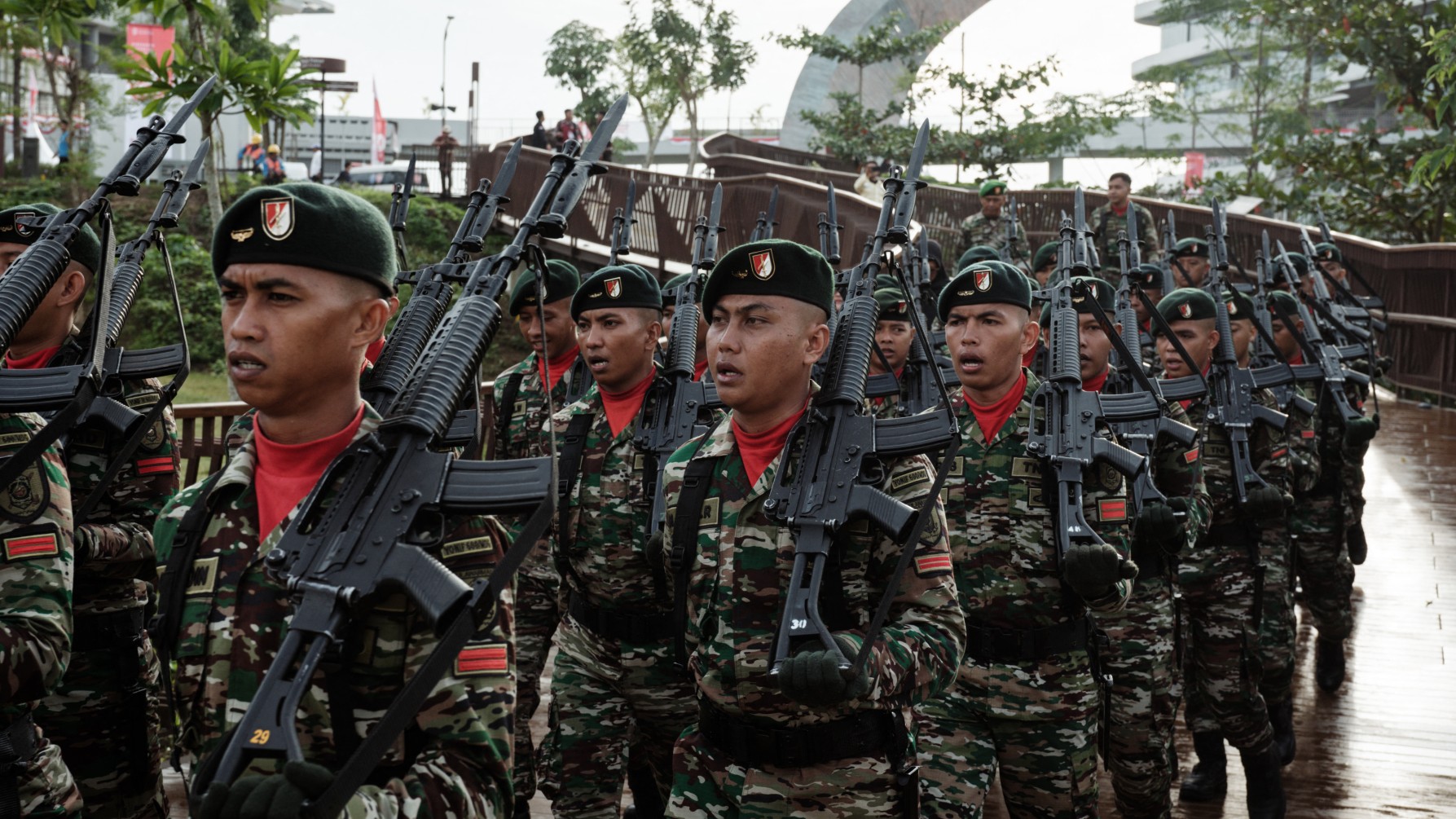
Indonesia is mobilizing a significant military contingent for potential peacekeeping operations in Gaza, with plans to deploy up to 8,000 soldiers as part of a multinational stabilization initiative. The announcement follows high-level discussions between Indonesian Army Chief of Staff Maruli Simanjuntak and President Prabowo Subianto regarding the nation’s role in international conflict resolution efforts.
President Subianto clarified that while specific deployment details including timing and location remain undetermined, military preparations are underway pending final diplomatic agreements. “We are just preparing ourselves in case an agreement is reached and we have to send peacekeeping forces,” Subianto stated during a press briefing.
The Indonesian government has emphasized the humanitarian nature of the proposed mission. Defense Ministry spokesman Rico Ricardo Sirat reiterated Indonesia’s commitment to “contribute to peace and humanitarian support in Gaza,” distinguishing the mission from conventional military operations.
This deployment would represent the inaugural contingent of the multinational International Stabilization Force (ISF), which is projected to eventually include approximately 20,000 personnel. The initiative has generated both support and criticism, with some observers expressing concerns about potential complicity in occupation dynamics, while Indonesian officials maintain an exclusive focus on humanitarian objectives.
Indonesia has previously demonstrated its commitment to Palestinian welfare through substantial aid shipments, including 10,000 tonnes of rice delivered in August last year, and the establishment of agricultural initiatives in Sumatra and Kalimantan specifically designed to enhance Palestinian food security. Additionally, the Indonesian military has trained 20,000 troops in specialized skills including healthcare and construction specifically for Gaza deployment scenarios.
The potential deployment occurs against a backdrop of domestic sensitivity regarding Palestine, evidenced by significant public demonstrations in 2025 advocating for Gaza justice and criticizing educational exchanges with Israeli institutions during ongoing conflicts.