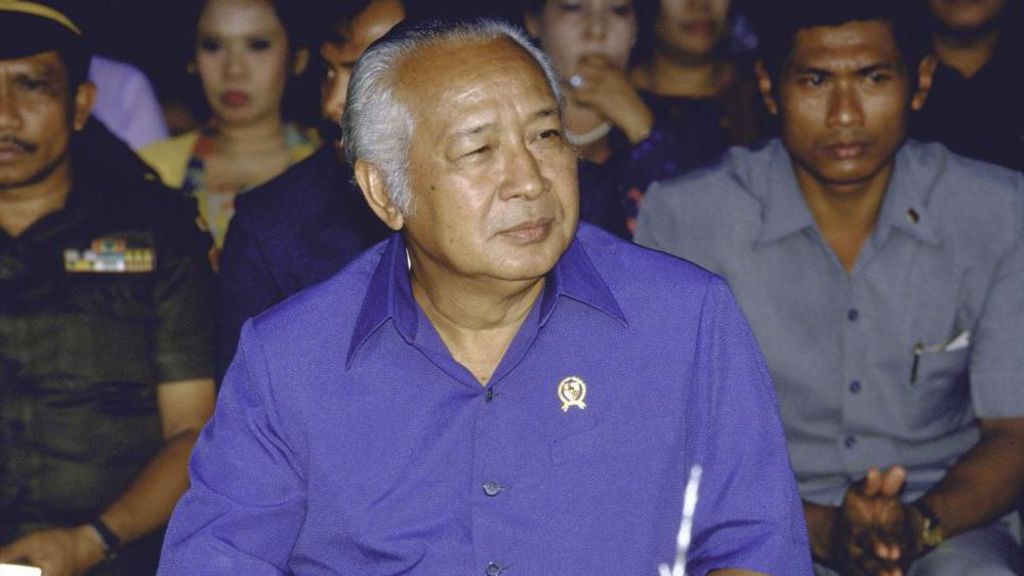
The Indonesian government’s decision to posthumously award former President Suharto the title of national hero has ignited widespread controversy and protests across the nation. Suharto, who ruled Indonesia from the 1960s to the 1990s under his New Order regime, is remembered for both his economic achievements and his authoritarian tactics, including political repression and human rights abuses. The award ceremony, presided over by current President Prabowo Subianto—Suharto’s former son-in-law—has further fueled the debate, given Prabowo’s own contentious human rights record. While Suharto is credited with stabilizing Indonesia’s economy and reducing inflation, his regime is also accused of orchestrating the deaths of hundreds of thousands of political dissenters and embezzling billions of dollars. Civil society groups and activists have vehemently opposed the decision, organizing protests and online petitions. Critics argue that the move is an attempt to whitewash Suharto’s legacy and distort history. Despite the backlash, some Indonesians view Suharto as a pivotal figure in the country’s development. The ceremony also honored other figures, including labor activist Marsinah and former President Abdurrahman Wahid, who were vocal critics of Suharto, in what some see as an effort to balance the narrative.