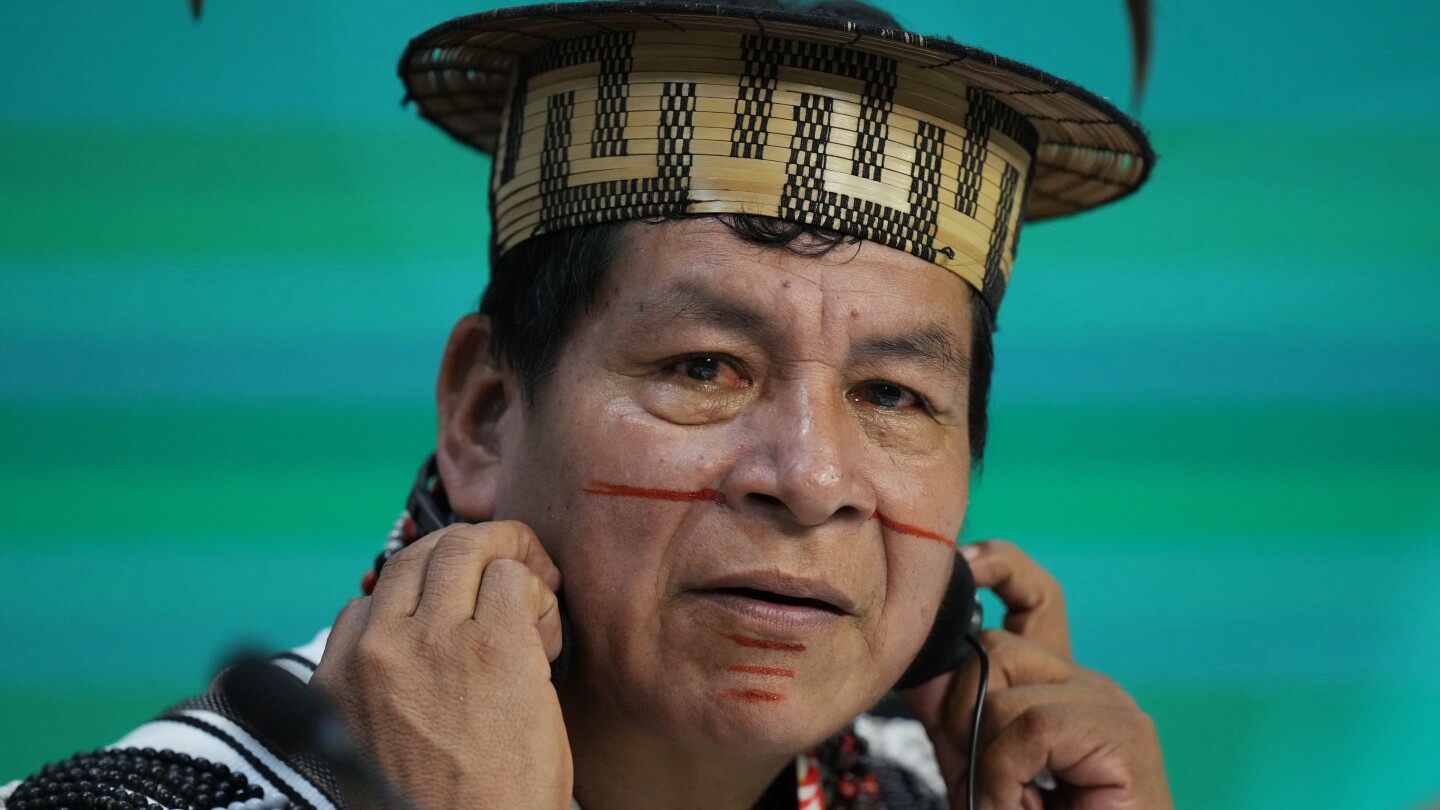
The COP30 United Nations climate talks, held in Belem, Brazil, were dubbed the “Indigenous peoples COP” with promises to center Indigenous voices. However, the event’s opening was marred by a power outage, symbolizing the broader challenges faced by Indigenous participants. Despite the setback, attendees persevered, using paper fans and improvising without microphones during songs, dances, and prayers. Indigenous groups, who safeguard much of the world’s biodiversity and are disproportionately affected by climate change, expressed skepticism about whether their voices would truly be heard. Thalia Yarina Cachimuel, a Kichwa-Otavalo delegate, highlighted the systemic barriers Indigenous people face, stating they must work “10 times harder” to be included in spaces not designed for them. The Brazilian government’s decision to host the summit near the Amazon rainforest was seen as a nod to Indigenous communities’ sustainable practices. However, logistical challenges, such as limited lodging and language barriers, hindered robust participation. Edson Krenak of Cultural Survival noted the frustration of being excluded from policy development but expected to comply with decisions. Despite these hurdles, some remained hopeful. Lucas Che Ical of Ak’Tenamit emphasized the need for direct funding to Indigenous communities and expressed optimism that this COP could yield meaningful results. The summit’s focus on implementing past promises rather than forging new agreements underscored the ongoing struggle for Indigenous inclusion in global climate negotiations.
Indigenous groups get the spotlight at UN climate talks, but some say visibility isn’t power