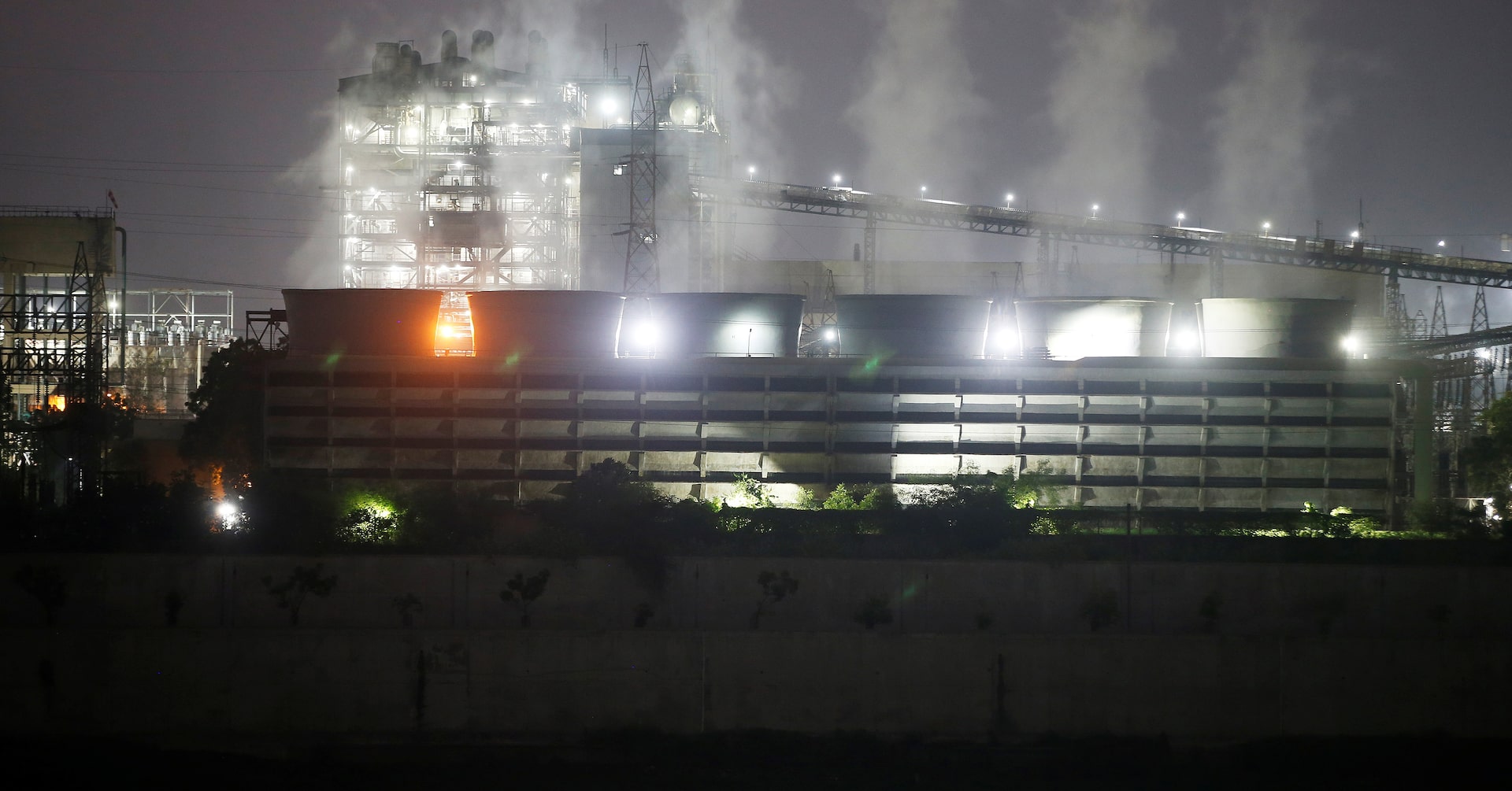
India’s power sector witnessed a notable 1% decline in carbon dioxide emissions during the first half of 2025, marking only the second such reduction in nearly five decades. This shift was driven by a combination of record-breaking clean energy capacity additions and unusually mild weather, which collectively curbed electricity demand, according to a report by the Centre for Research on Energy and Clean Air (CREA). The Helsinki-based think tank attributed 65% of the drop in fossil fuel generation to slower demand growth, 20% to accelerated clean energy expansion, and 15% to increased hydropower output. The analysis, based on official data from various government ministries, revealed that India added 25.1 gigawatts (GW) of non-fossil capacity in the first six months of 2025—a 69% increase from the previous record. This capacity is sufficient to generate nearly 50 terawatt hours (TWh) annually. Additionally, lower temperatures and above-average rainfall between March and May reduced air conditioning usage, while hydropower output surged. Despite a 9TWh rise in total power generation, fossil fuel generation fell by 29TWh. Oil demand growth also stalled, contributing to the broader emissions slowdown. However, emissions from steel and cement production rose sharply due to increased government infrastructure spending. CREA suggested that India’s power-sector emissions could peak before 2030 if clean energy growth continues and demand remains within projections. Historically, the power sector has accounted for half of India’s emissions growth. The country aims to add 500 GW of clean energy by 2030 as part of its broader climate goals.
India’s power-sector CO2 emissions fall for second time in over four decades, report says