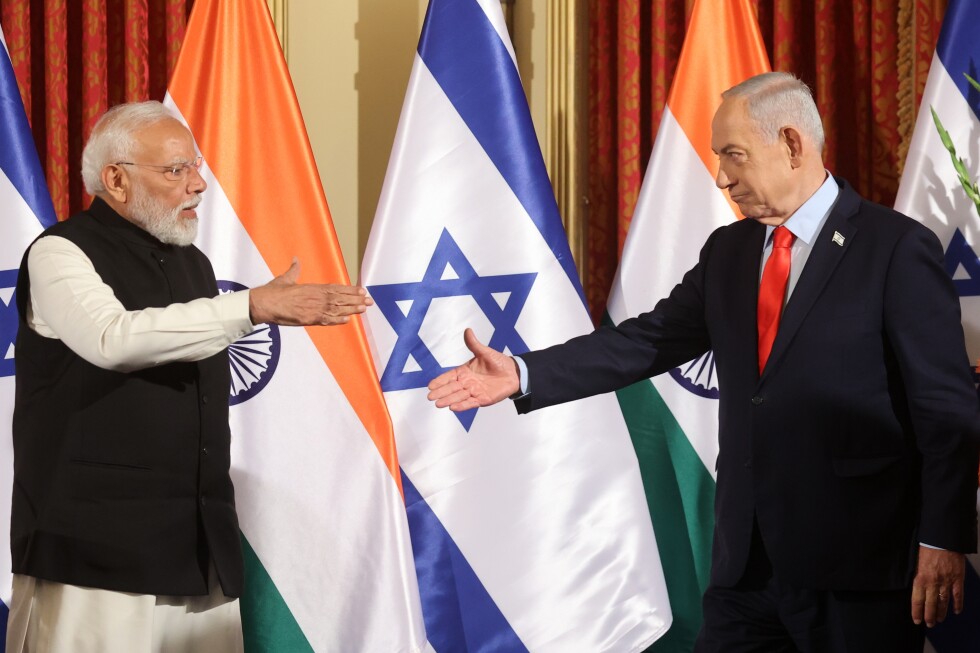
JERUSALEM — Indian Prime Minister Narendra Modi concluded a significant two-day diplomatic visit to Israel on Thursday, cementing a strengthened bilateral partnership centered on counterterrorism cooperation and enhanced defense capabilities. The visit culminated in substantial agreements that signal a strategic shift in Middle East-Asia relations.
During a joint press conference with Israeli Prime Minister Benjamin Netanyahu, Modi unequivocally declared India’s solidarity with Israel in combating terrorism, stating: “We maintain a shoulder-to-shoulder stance against terrorism and its supporters, and this commitment remains unwavering. Terrorism in any manifestation is utterly unacceptable.”
The two nations announced plans to initiate negotiations for a comprehensive free trade agreement while expanding collaboration in cutting-edge technological domains including artificial intelligence development and cybersecurity infrastructure. Both leaders endorsed U.S. President Donald Trump’s proposed ceasefire framework for the Gaza conflict.
Netanyahu emphasized the transformative nature of the partnership, noting: “Previous constraints that limited our cooperation no longer apply. Innovation drives progress, and both Israel and India are dedicated to pioneering advancements.”
In a significant workforce development, Israel will issue an additional 50,000 work visas to Indian nationals, addressing labor shortages that emerged after restrictions were imposed on Palestinian workers following the October 2023 Hamas-led attacks. This expansion builds upon the existing tens of thousands of South Asians already employed in Israel’s construction and caregiving sectors.
The joint statement referenced both the October 2023 assault on Israel and the April 2025 attack on civilians in Indian-administered Kashmir’s Pahalgam region, highlighting shared security concerns.
India’s diplomatic positioning reflects nuanced balancing—while historically supporting Palestinian statehood, the nuclear-armed nation (now the world’s fourth-largest economy) has frequently abstained from criticizing Israel in international forums, including UN votes regarding the Gaza conflict. However, India recently joined other nations in condemning Israeli measures that consolidate control over the West Bank.
This evolving relationship occurs against the backdrop of India’s transformed foreign policy under Modi’s leadership, which has mainstreamed Hindu nationalist principles while managing relations with Muslim-majority nations. India previously ceased Iranian oil imports during Trump’s first term following U.S. pressure, despite maintaining historical trade and security cooperation with Tehran, particularly regarding Afghan affairs.