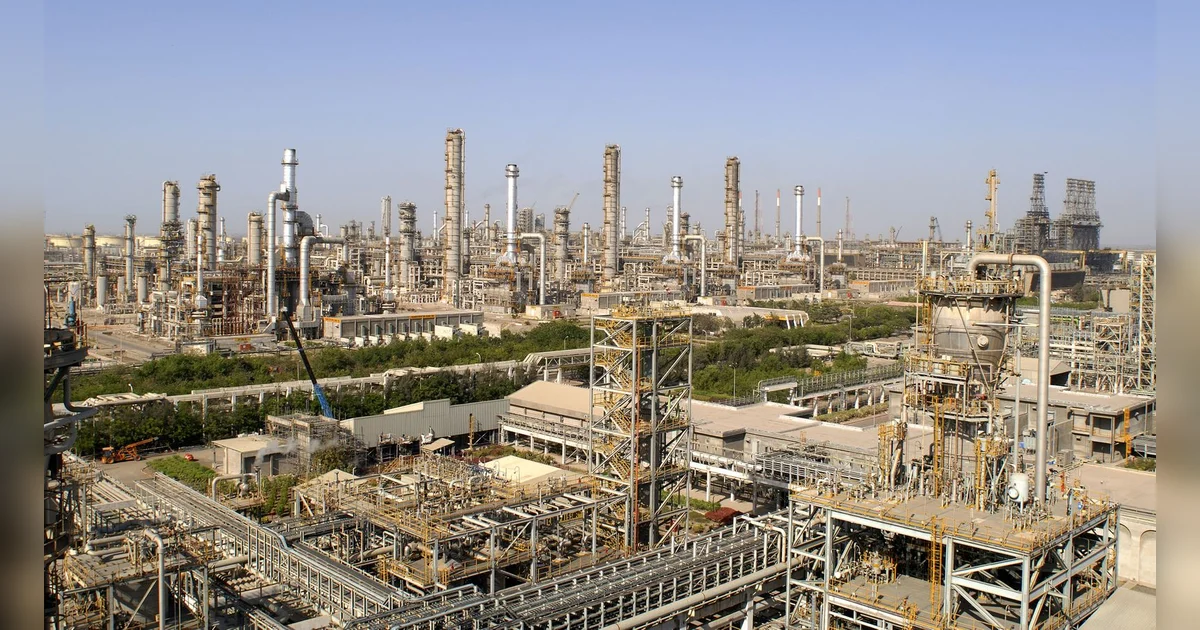
India’s energy procurement landscape is undergoing a significant transformation as Reliance Industries, operator of the world’s largest refining complex and India’s foremost purchaser of Russian crude in 2023, announced it anticipates zero Russian oil deliveries for January. This development follows heightened diplomatic pressure from the United States, where President Donald Trump recently threatened additional tariff escalations targeting Indian goods.
The company’s Jamnagar refinery has not processed any Russian crude shipments for approximately three weeks, according to an official statement released on social media platform X. Reliance specifically refuted recent media reports suggesting three vessels carrying Russian oil were en route to its facilities.
This strategic shift occurs against the backdrop of intensifying Western sanctions targeting Russia’s energy exports, which have provided substantial revenue streams for Moscow’s military operations in Ukraine. India emerged as the primary consumer of discounted Russian seaborne crude following the 2022 invasion, triggering substantial geopolitical friction with Western allies.
The United States previously doubled import tariffs on Indian merchandise to 50% in 2025 as retribution for New Delhi’s robust acquisition of Russian petroleum. Current trade negotiations between the two nations have encountered periodic difficulties, with oil purchases representing a central point of contention.
Industry analysts project Russian crude shipments to India could plummet below one million barrels per day this month—the lowest level in years—as New Delhi maneuvers to secure a comprehensive trade agreement with Washington. December figures already reflected a three-year low of approximately 1.2 million barrels daily, representing a dramatic 40% reduction from June’s peak of two million barrels.
With Reliance withdrawing from the market, Russian oil deliveries are now expected to concentrate primarily with Russia-backed Nayara Energy and state-controlled refiners Indian Oil Corporation and Bharat Petroleum Corporation. Nayara’s 400,000-barrel-per-day refinery is particularly positioned to maintain Russian imports, as European sanctions have constrained its alternative supply options after other suppliers withdrew.
Indian authorities have implemented enhanced transparency measures, requiring weekly disclosures of Russian and U.S. oil purchases by refiners, indicating heightened governmental oversight of energy procurement strategies amid evolving international relations.