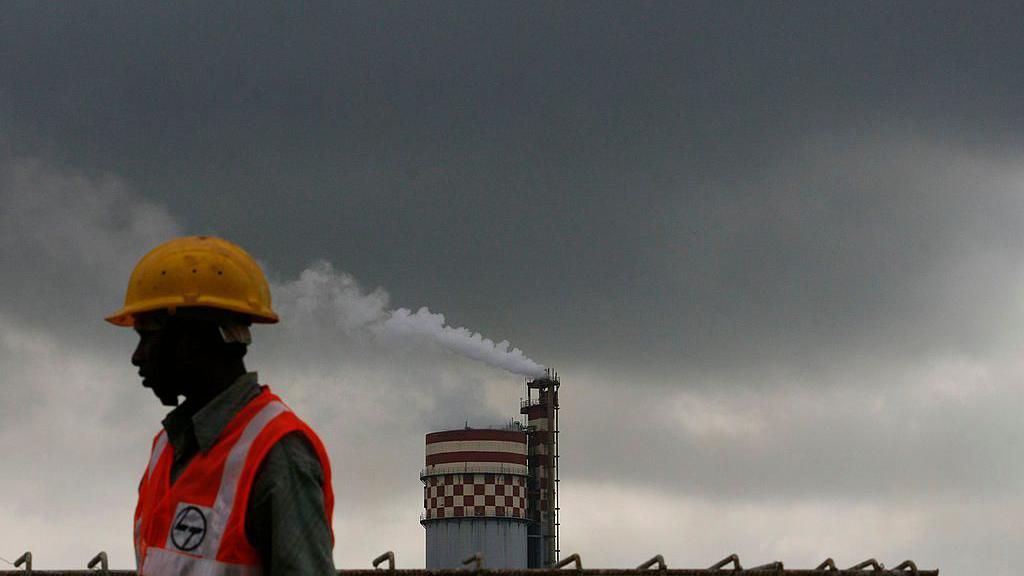
As the UN climate summit (COP30) unfolds in Belem, Brazil, India, the world’s third-largest carbon emitter, finds itself under intense scrutiny for its delayed submission of a crucial climate plan. Known as Nationally Determined Contributions (NDCs), these updated plans are essential for achieving the Paris Agreement’s goal of limiting global temperature rise to below 2°C, ideally 1.5°C. While around 120 of the 196 UNFCCC member countries have submitted their updated NDCs, India remains among the holdouts, with its environment minister, Bhupender Yadav, announcing that the plan will be submitted by the end of December. India’s delay has raised eyebrows, especially as international assessments label its climate actions as ‘worryingly inadequate.’ Despite this, India has met its pledge to achieve 50% of its installed electricity capacity from non-fossil fuel sources ahead of the 2030 deadline. However, coal still dominates 75% of its electricity generation, a figure that must drop significantly to align with global climate goals. India’s stance at COP30 emphasizes the need for developed nations to take greater responsibility for emissions reductions and provide substantial financial support to developing countries. Yadav argued that ‘global climate progress can’t come from endless discussions alone,’ calling for developed nations to reach net-zero emissions earlier and deliver trillions in climate finance. The issue of climate finance remains contentious, with developing nations demanding over $1 trillion annually, while developed countries have pledged only $300 billion. India’s reliance on coal and its delayed NDC submission have drawn criticism, particularly as China, its usual ally in climate negotiations, has already submitted its updated plan. As COP30 continues, the world watches to see if India’s updated climate plan will address these concerns and align with global efforts to transition away from fossil fuels.