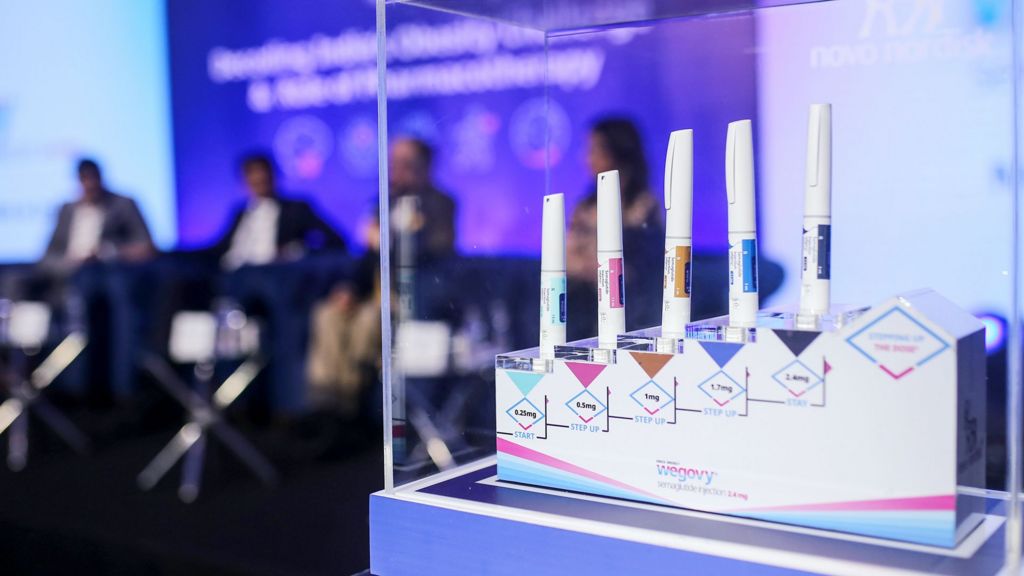
India stands at the precipice of a pharmaceutical transformation as the patent protection for semaglutide—the active compound in Novo Nordisk’s acclaimed weight-loss medications Wegovy and Ozempic—expires this week. This development paves the way for domestic drug manufacturers to introduce affordable generic alternatives, potentially reducing treatment costs by more than half and dramatically expanding accessibility across the nation.
The expiration has triggered preparations among India’s leading pharmaceutical firms, including Cipla, Sun Pharma, Dr Reddy’s Laboratories, and several others, to launch approximately 50 branded generic versions within months. Current pricing structures place monthly treatment between 8,800-16,000 rupees ($95-$173), but industry analysts project generics could slash this to 3,000-5,000 rupees ($36-54) per month.
This anticipated price reduction represents a potential watershed moment for public health in a country grappling with significant obesity challenges. India currently hosts over 77 million type-2 diabetes patients and one of the world’s largest overweight adult populations. The drugs, classified as GLP-1 receptor agonists, function by mimicking appetite-regulating hormones, delaying stomach emptying and promoting sustained fullness.
Medical professionals are cautiously optimistic about the expanded treatment possibilities. Dr. Muffazal Lakdawala, a Mumbai bariatric surgeon, acknowledges that increased affordability could benefit millions previously excluded from treatment due to cost barriers. However, he and other physicians emphasize the critical need for stringent quality control and regulatory oversight to ensure drug safety and efficacy.
The Indian pharmaceutical industry, valued at approximately $60 billion and expected to double by 2030, has built its global reputation on manufacturing affordable generics. The country currently supplies roughly 20% of global generic medicines, meeting significant portions of pharmaceutical demand across Africa, the United States, and the United Kingdom.
Beyond domestic implications, this development carries substantial export potential. Namit Joshi, chairman of India’s Pharmaceuticals Export Promotion Council, projects the U.S. market alone could reach $10 billion within years as obesity rates continue driving demand.
Medical experts simultaneously caution against unrealistic expectations and potential misuse. Side effects including nausea, digestive issues, and rare complications like pancreatitis require careful management. Physicians stress that these medications should complement—not replace—lifestyle modifications including dietary improvements and exercise regimens.
India’s drug regulator has already issued advisories warning against direct-to-consumer promotion of prescription weight-loss drugs, emphasizing that they should only be used under proper medical supervision. As the market prepares for transformation, the coming months will test India’s ability to balance unprecedented accessibility with responsible regulation.