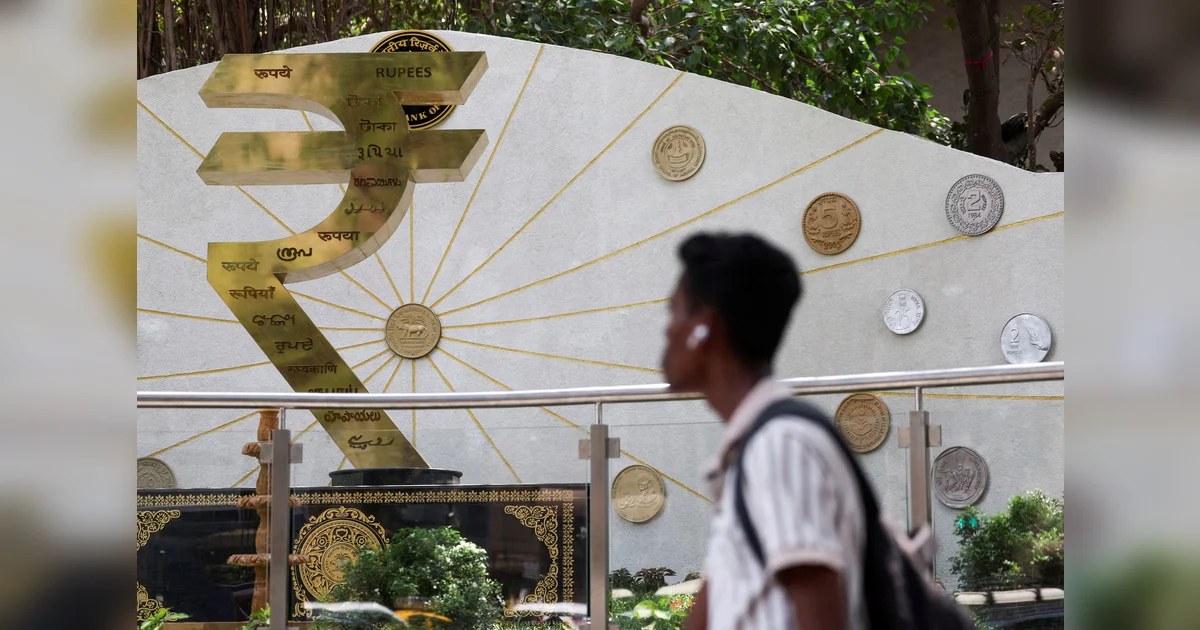
The Indian rupee is projected to encounter persistent challenges throughout 2026, with financial analysts forecasting continued depreciation against the US dollar. Multiple factors are converging to create sustained pressure on the currency, primarily driven by widening trade deficits and unresolved trade negotiations with the United States.
Currency projections indicate the rupee-dollar exchange rate may reach approximately 92.00 by the third quarter of 2026, representing a significant adjustment from previous expectations of 90.80. This depreciation trajectory, while slower than the previous year’s decline, reflects ongoing underperformance against both G10 and Asian currency crosses. The rupee concluded 2025 at 89.87, registering a 4.72 percent annual decline—its most substantial drop since 2022.
Structural challenges include substantial foreign portfolio outflows, with international investors withdrawing nearly $18 billion from Indian markets in 2025. This capital flight has been exacerbated by robust initial public offering activity and private equity profit-taking cycles. Additionally, the delayed inclusion of Indian bonds in the Bloomberg Global Aggregate Index has removed a potential catalyst for foreign investment inflows.
The current account deficit has emerged as another critical pressure point. Second-quarter data for fiscal year 2026 revealed net financial flows plummeting to $0.7 billion from $8.1 billion in the preceding quarter, accompanied by a $10.9 billion depletion in foreign exchange reserves.
US trade policy constitutes another significant headwind. Approximately 50 percent tariffs on Indian imports imposed during the Trump administration remain in effect, with limited progress in bilateral trade discussions between New Delhi and Washington. Federal Reserve interest rate policies have further complicated matters by incentivizing capital movement toward higher-yielding US bonds.
The Reserve Bank of India has adopted measured intervention strategies, primarily during periods of elevated volatility. While India’s economic fundamentals remain robust with 7.4 percent real GDP growth projections and stable inflation, authorities appear comfortable with gradual rupee depreciation that enhances export competitiveness.
Currency swap agreements with nations including the UAE and Russia offer marginal support mechanisms. These arrangements aim to reduce dollar dependency in bilateral trade and enhance the rupee’s role in trade finance. India-UAE trade reached $100.06 billion in FY 2024-25, growing 19.6 percent year-on-year, creating potential for local currency transactions to alleviate dollar demand.
Despite these mechanisms, analysts emphasize that swap agreements alone cannot reverse depreciation trends without supportive balance-of-payments conditions and consistent foreign inflows. The rupee’s trajectory will ultimately depend on resolving trade tensions, stabilizing capital flows, and maintaining economic growth momentum.