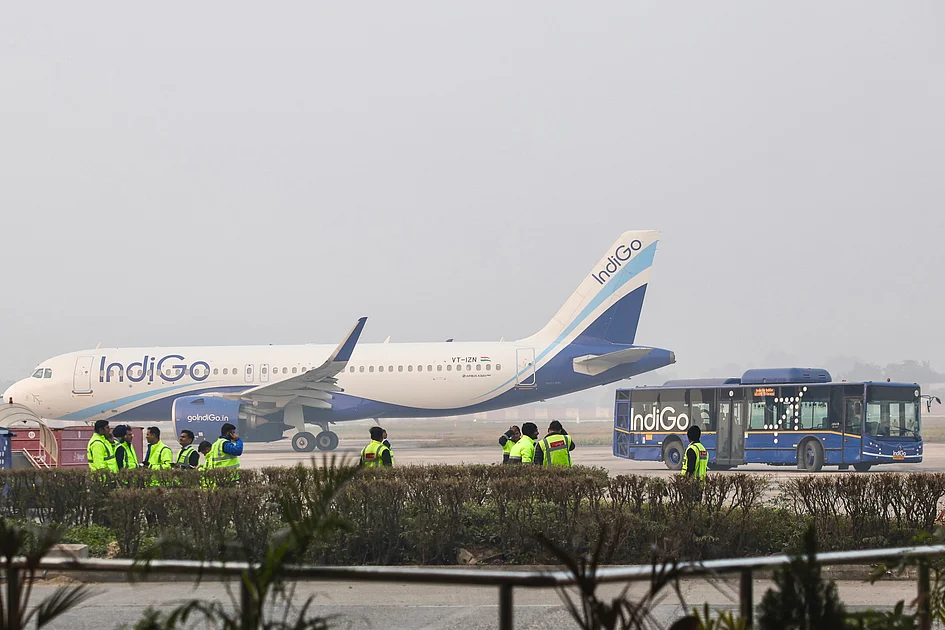
India’s aviation sector encountered significant operational challenges on Thursday, January 15, 2026, as two distinct factors converged to create widespread flight disruptions across the country. Dense winter fog blanketing northern regions coincided with the unexpected closure of Iranian airspace, creating a perfect storm for air travel operations.
Meteorological conditions resulted in severely reduced visibility across key northern Indian airports, with Delhi reporting near-zero visibility as temperatures plummeted below 3°C. Domestic carriers responded proactively to the situation, issuing advisories and implementing schedule adjustments. Indigo Airlines notified passengers of ‘slower flight movements’ specifically affecting Chandigarh operations, while Akasa Air implemented network-wide rescheduling, citing circumstances beyond their control.
The simultaneous closure of Iranian airspace created additional complications for international operations. Multiple global carriers, including Air India, were forced to reroute flights or cancel services when alternative pathways proved unavailable. This dual disruption prompted airlines to urgently advise passengers to monitor flight statuses through official channels before proceeding to airports.
Compounding these immediate challenges, Indian media reports indicated upcoming operational adjustments at Delhi Airport. From January 21-26, the aviation hub will implement daily suspensions of approximately two-and-a-half hours as part of enhanced security measures preceding Republic Day celebrations in the capital.
These disruptions highlight the complex interplay between seasonal weather patterns, geopolitical developments, and security considerations that modern aviation networks must navigate. The incidents demonstrate how regional events can create ripple effects throughout global transportation systems, affecting both domestic and international travel operations.