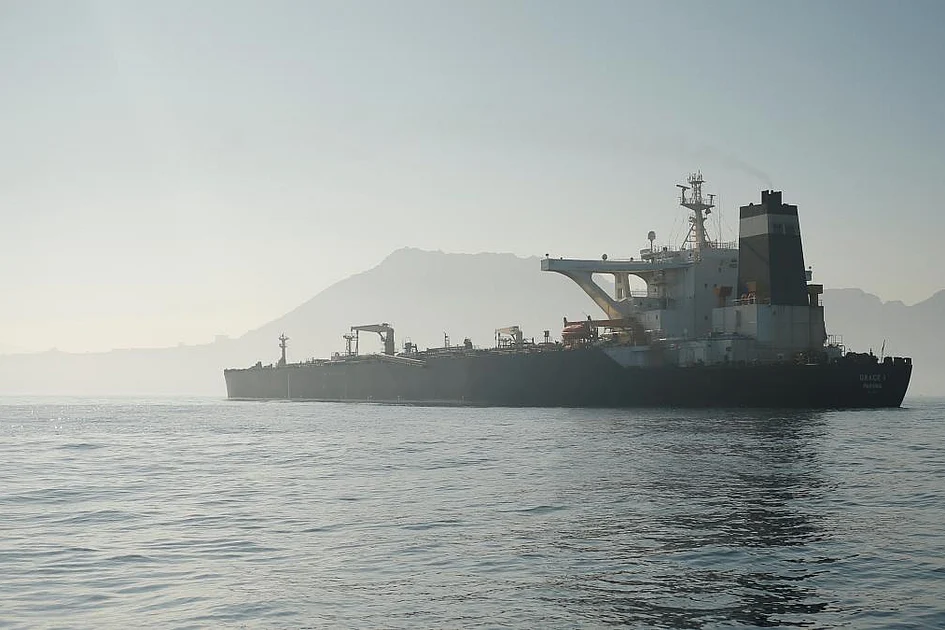
In a significant maritime enforcement operation, Indian authorities have confiscated three oil tankers with connections to Iran that were under U.S. sanctions. The seizures occurred this month as part of New Delhi’s intensified surveillance campaign to combat illicit trade activities within its exclusive economic zone.
According to a source with direct knowledge of the matter, the vessels—identified as Stellar Ruby, Asphalt Star, and Al Jafzia—were intercepted approximately 100 nautical miles west of Mumbai following detection of suspicious operations. These tankers had reportedly employed frequent identity alterations to evade detection by coastal states’ law enforcement agencies.
The enforcement action aligns with strengthened U.S.-India relations, coming shortly after Washington’s announcement reducing import tariffs on Indian goods from 50% to 18%. This tariff reduction followed India’s agreement to cease Russian oil imports, signaling deepening bilateral cooperation.
Iranian state media has contested the tankers’ affiliations, with the National Iranian Oil Company asserting that neither the vessels nor their cargoes had any connection to the company. Despite this denial, LSEG data indicates that two of the three tankers maintain Iranian links, with Al Jafzia having transported fuel oil from Iran to Djibouti in 2025 and Stellar Ruby registered under the Iranian flag.
The Indian Coast Guard has significantly bolstered its surveillance capabilities, deploying approximately 55 ships and 10-12 aircraft for continuous monitoring of maritime zones. This enhanced vigilance aims to prevent ship-to-ship transfers that obscure oil cargo origins—a common method used to circumvent international sanctions.
The U.S. Office of Foreign Assets Control had previously sanctioned vessels with identical IMO numbers to those captured by India, highlighting the global dimension of enforcement efforts against sanctioned oil trade. Such prohibited petroleum products typically trade at substantial discounts due to the complex ownership structures, falsified documentation, and mid-sea transfer operations that complicate regulatory enforcement.