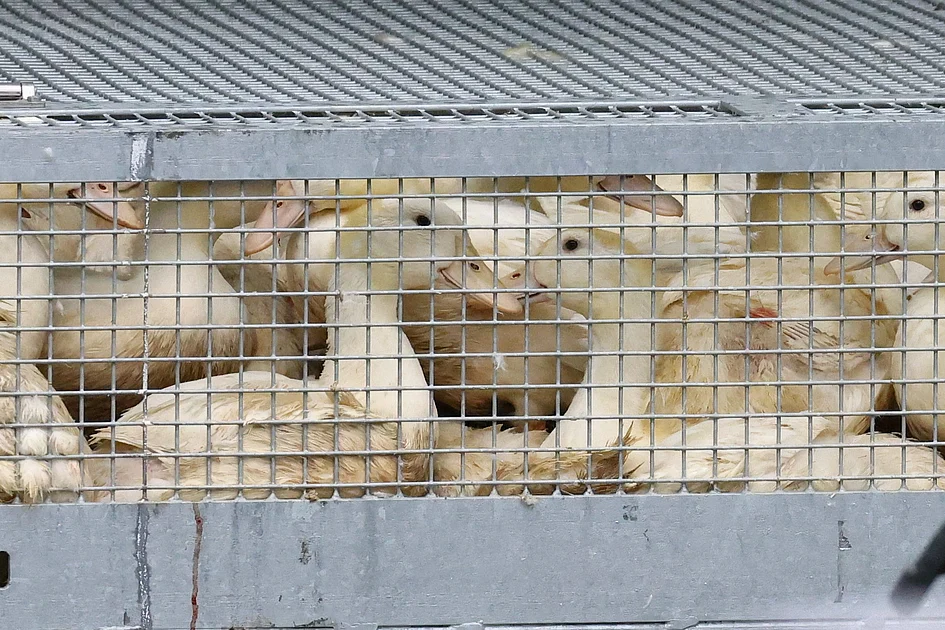
Indian veterinary authorities have confirmed eleven distinct outbreaks of highly pathogenic H5N1 avian influenza across poultry farms in the southern state of Kerala, according to an official report submitted to the World Organisation for Animal Health (WOAH) on Monday. The Paris-based intergovernmental body disclosed that the virus has resulted in the sudden mortality of approximately 54,100 birds, predominantly ducks.
The outbreaks, first detected on December 9th and formally confirmed through laboratory testing on December 22nd, mark the first recurrence of the virus within India’s domestic poultry sector since May of last year. In a decisive containment effort, an additional 30,289 birds were culled to prevent further viral spread. This resurgence has reignited global concerns within the agriculture and public health sectors, given the virus’s devastating impact on poultry supplies worldwide in recent years, which has contributed to market disruptions and elevated food prices.
The recurrence of H5N1 underscores the persistent threat of zoonotic diseases and the critical need for vigilant surveillance. While primarily affecting avian populations, the virus’s potential for transmission to humans continues to be a significant point of concern for epidemiologists. The Indian government’s immediate reporting to WOAH reflects adherence to international health protocols aimed at tracking and mitigating such transboundary animal diseases.