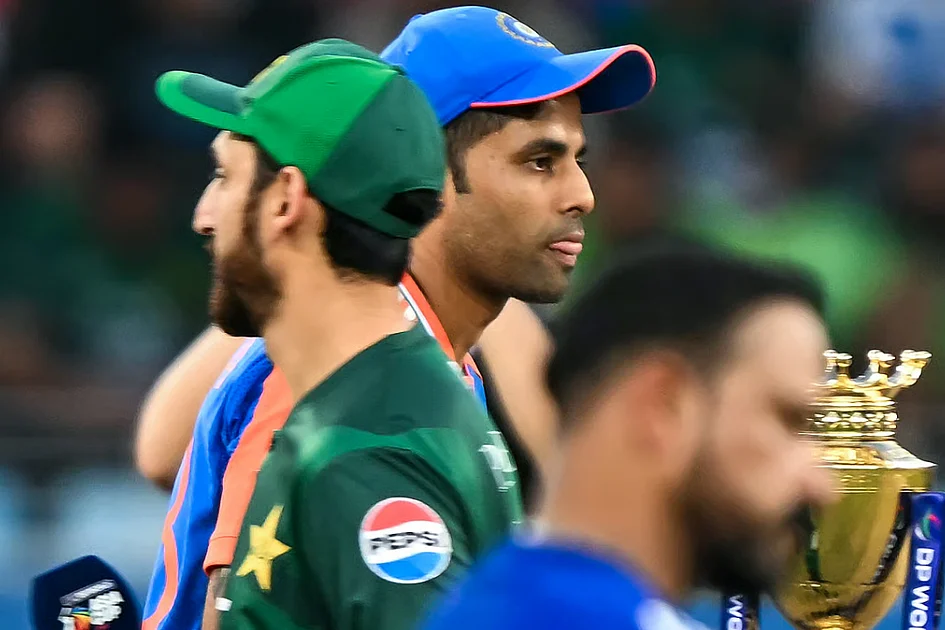
A potential resolution is emerging for the high-stakes impasse surrounding the scheduled India-Pakistan T20 World Cup match, offering hope to millions of cricket fans anticipating the February 15 showdown in Colombo. The deadlock, initiated by the Pakistani government’s boycott declaration in solidarity with Bangladesh, prompted a critical high-level meeting in Lahore on Sunday night. Attendees included representatives from the International Cricket Council (ICC), the Pakistan Cricket Board (PCB), and the Bangladesh Cricket Board.
While official details from the meeting remain confidential, media outlets from both nations report significant progress by the ICC in reinstating this marquee sporting event. The path to resolution, however, is paved with complex conditions. Pakistani officials have reportedly tabled specific demands for the ICC’s consideration. A central condition involves securing financial compensation for Bangladesh, which was excluded from the tournament after withdrawing over security concerns for its team in India.
Additional PCB requests, as cited by Indian media, include the resumption of direct bilateral cricket series with India and the establishment of a new tri-nation tournament featuring India, Pakistan, and Bangladesh. The ICC has ostensibly rejected these broader demands, focusing negotiations solely on the immediate World Cup context.
Veteran Pakistani journalist Hamid Mir contested these reports, characterizing the narrative as ‘disinformation.’ On social media platform X, Mir stated that the ICC President is actively sending envoys to the PCB, appealing for a reconsideration of the boycott. He emphasized that Pakistan’s position is contingent on achieving ‘compensation and relief for Bangladesh,’ asserting this as the sole prerequisite for the match to proceed.
The financial magnitude of an India-Pakistan World Cup match underscores the urgency for a resolution, with estimated global revenues nearing $400 million. A cancellation would wreak havoc on broadcasting agreements and advertising investments, representing one of the most lucrative events in international sports.
The final decision now rests with Pakistani Prime Minister Shehbaz Sharif. Should the ICC agree to provide compensation for Bangladesh’s exclusion, the path would be cleared for the two arch-rivals to compete on the world stage, transforming a diplomatic standoff into a celebrated sporting spectacle.