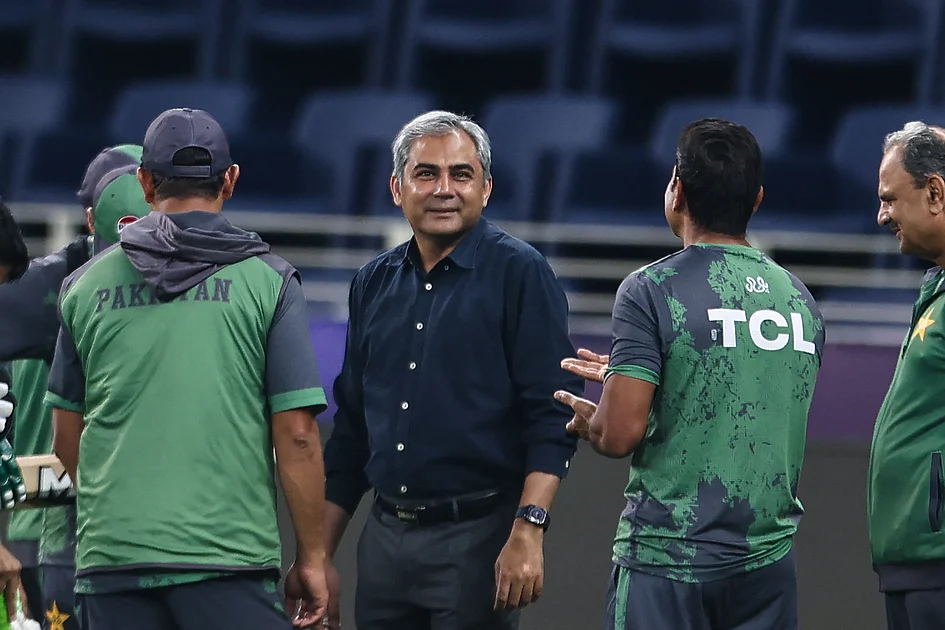
The cricketing world remains on high alert as intense speculation surrounds Pakistan’s participation in the upcoming T20 World Cup match against India scheduled for February 15. This follows a critical four-hour emergency meeting between International Cricket Council (ICC) deputy chairman Imran Khwaja, Pakistan Cricket Board (PCB) officials, and Bangladesh Cricket Board (BCB) president Aminul Islam late Sunday. A definitive announcement regarding Pakistan’s involvement is anticipated within the next 24 to 48 hours.
The controversy originated on February 1st when the Pakistani government declared it would prohibit its national team from facing India as a protest gesture. This decision was a direct response to the ICC’s removal of Bangladesh from the tournament. Bangladesh had withdrawn from playing their matches in India, citing security concerns stemming from ongoing political tensions between the two South Asian nations. When the BCB’s request to relocate their games to co-host Sri Lanka was denied, the ICC replaced them with Scotland.
This action prompted accusations of double standards from Pakistan. The PCB highlighted a precedent set last year during the Champions Trophy, where the ICC permitted India to play its matches in Dubai after the Indian government refused to travel to host nation Pakistan, also citing security apprehensions. Pakistan argued that the ICC failed to extend the same consideration to Bangladesh’s concerns before making the tournament alteration.
The stakes are astronomically high. An India-Pakistan match on the global stage is a financial behemoth, reportedly generating nearly $400 million in revenue and standing as one of the most lucrative fixtures in all of sports. A boycott would consequently throw official broadcasters and advertisers into significant disarray.
Amid the uncertainty, a propaganda war has erupted between segments of Indian and Pakistani media. Veteran journalist Sanaullah Khan appealed for responsibility, criticizing outlets for publishing unverified claims that either portrayed Pakistan as fearful of ICC sanctions or suggested the ICC was pleading with the PCB to avoid financial catastrophe. Former ICC head of media operations, Sami Ul Hasan, emphasized that while private discussions likely focus on participation agreements, security protocols, and revenue consistency, the core issue remains the perceived inconsistency in the ICC’s decision-making.
Regardless of the meeting’s outcome, a boycott would result in Pakistan forfeiting two critical points in the tournament standings. The team, which narrowly defeated the Netherlands in its opener, next faces the United States—a team that famously defeated Pakistan in the 2024 T20 World Cup.