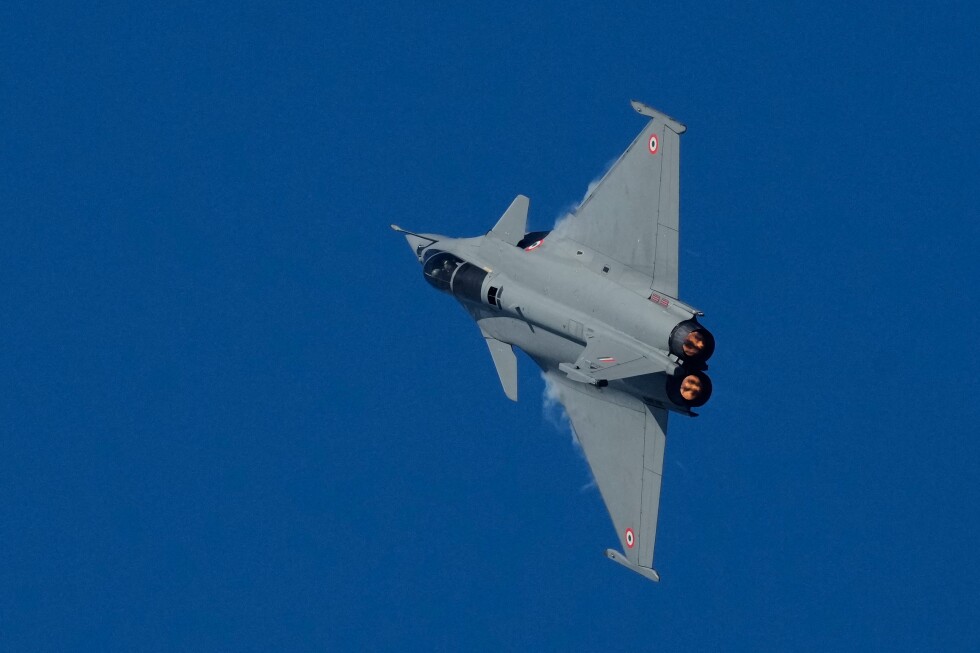
NEW DELHI — In a significant move to bolster its national security infrastructure, India’s Defence Acquisition Council granted preliminary authorization on Thursday for substantial defense procurements totaling approximately $39.74 billion. The comprehensive package includes additional Rafale multi-role fighter jets from France and P-8I maritime patrol aircraft from the United States.
Defense Ministry officials confirmed the approval without disclosing specific quantities or financial details. However, sources familiar with the deliberations revealed the council, chaired by Defense Minister Rajnath Singh, endorsed acquisition plans for 114 Rafale fighters and six Boeing P-8I surveillance platforms.
This strategic enhancement addresses India’s pressing security requirements along its contentious borders with nuclear-capable neighbors China and Pakistan. The Indian Air Force currently maintains 29 fighter squadrons—substantially below the government’s recommended strength of 42 squadrons, each comprising 16-18 aircraft.
The preliminary clearance represents the initial phase in India’s defense procurement process, with final approval required from the Cabinet Committee on Security headed by Prime Minister Narendra Modi. Timing suggests the Rafale agreement may be formally announced during French President Emmanuel Macron’s upcoming visit for an international artificial intelligence summit.
Defense analysts note the Rafale acquisition will substantially strengthen India’s aerial deterrence capabilities, with most aircraft scheduled for domestic manufacturing. Concurrently, the P-8I aircraft will enhance maritime surveillance operations in the Indian Ocean region, where Chinese naval presence has been increasingly observed.
India already operates two Rafale squadrons and recently procured 26 marine variants for naval operations. The nation also maintains an existing fleet of P-8I aircraft conducting reconnaissance missions across critical Indian Ocean waterways.