In a tragic turn of events, Bilal Ahmed Wani, a 55-year-old shopkeeper from Indian-controlled Kashmir, set himself on fire and later succumbed to his injuries. This occurred shortly after his release from police custody, where he was detained in connection with the investigation into the deadly November 10 explosion near New Delhi’s Red Fort, which claimed at least 10 lives and injured 32 others. Wani’s son remains in custody, and his family, speaking anonymously due to fear of reprisals, attributed his desperate act to the stress and humiliation stemming from the detentions.
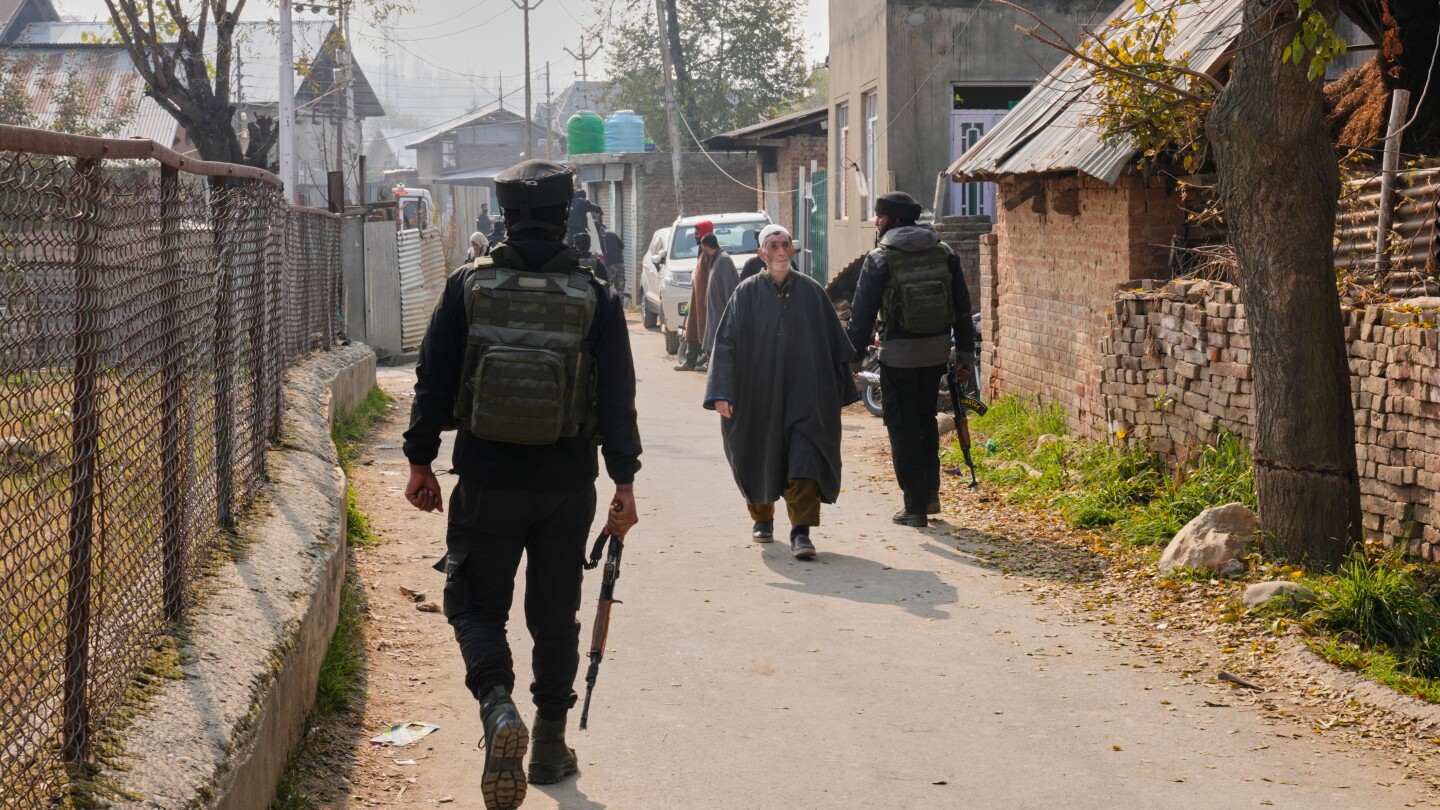
The blast, described by authorities as a ‘heinous terror incident,’ triggered a sweeping security crackdown in Kashmir. Police conducted extensive raids, detained numerous suspects, and questioned thousands, with hundreds still in custody. The investigation quickly focused on Kashmir, where authorities dismantled a suspected militant cell operating from the region to the outskirts of New Delhi. During the raids, police seized bomb-making materials and arrested at least seven individuals, including two Kashmiri doctors.
On November 14, a separate explosion at a police station in Srinagar, Kashmir, killed at least nine people. Authorities ruled out sabotage, suggesting mishandling of explosives as the likely cause. The ongoing crackdown in Kashmir has been described as notably severe, reminiscent of the restrictions imposed in 2019 when India revoked the region’s special autonomous status.
Wani’s family insists on his innocence, accusing authorities of using him and his relatives as scapegoats. His eldest son, Jasir Bilal Wani, remains detained, with authorities alleging his involvement in planning the attack by providing technical support to the suspected suicide bomber, Umar Un Nabi, a Kashmiri doctor. The crackdown has extended to what police term a ‘white-collar terror ecosystem,’ intensifying scrutiny of Kashmiri professionals, particularly doctors, and fueling fear within the medical community.
Analysts warn that the political disenfranchisement and heavy-handed security measures following India’s 2019 decision are exacerbating anger and alienation in Kashmir. Praveen Donthi of the International Crisis Group emphasized that a moderate approach by New Delhi would be more effective in preventing further cycles of violence. The situation underscores the deep-seated tensions and the human cost of the ongoing conflict in the region.