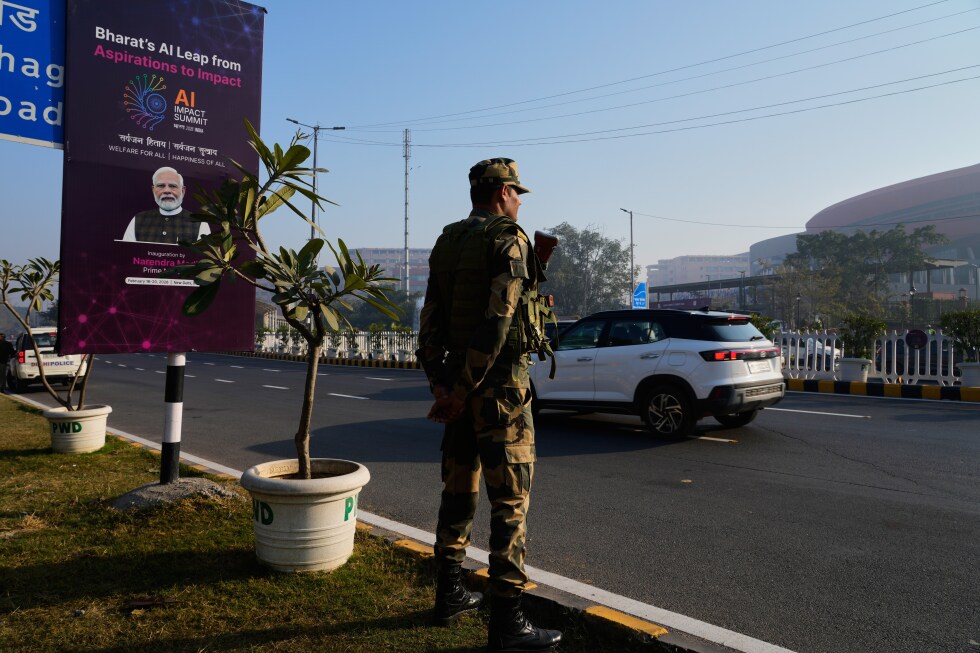
New Delhi emerges as the epicenter of global artificial intelligence discourse this week as India inaugurates its inaugural AI Impact Summit, marking the first such gathering within the Global South. The five-day convention assembles an impressive roster of 20 world leaders, including French President Emmanuel Macron and Brazilian President Luiz Inácio Lula da Silva, alongside technology titans from Google, Microsoft, OpenAI, and Qualcomm.
This strategic positioning underscores India’s ambition to establish itself as a crucial intermediary between technologically advanced nations and developing economies. The world’s most populous nation leverages its demonstrated expertise in constructing large-scale digital infrastructure—exemplified by its pioneering digital identity and payment systems—as a blueprint for cost-effective AI implementation at scale.
Minister for Electronics and Information Technology Ashwini Vaishnaw articulated the summit’s guiding principle: “AI should be utilized for shaping humanity, inclusive growth, and a sustainable future.” This vision reflects India’s broader aspiration to transition into a developed nation by 2047, with artificial intelligence poised to revolutionize sectors ranging from energy and manufacturing to public infrastructure.
The evolving nature of AI summits demonstrates remarkable progression since their inception in November 2023. Initially conceived as tightly-focused safety conferences following ChatGPT’s explosive debut, these gatherings have expanded into comprehensive trade fairs addressing multifaceted aspects of artificial intelligence. Unlike previous editions in France, the UK, and South Korea, the New Delhi iteration emphasizes practical deployment alongside safety considerations.
Ahead of the summit, an expert panel released its second annual safety report examining risks posed by advanced AI systems, including potential misuse, technical malfunctions, and systemic vulnerabilities. Yoshua Bengio, the renowned AI pioneer who spearheaded the study, emphasized the critical importance of “building an international consensus on the emerging risks of AI” through independent scientific evaluation.
While the event is not anticipated to yield binding political agreements, observers expect the adoption of a non-binding New Delhi Declaration outlining developmental objectives for artificial intelligence. This approach contrasts with last year’s Paris summit, where U.S. Vice President JD Vance cautioned against excessive regulation that might impede industry growth.
Addressing workforce concerns, Indian technology representatives highlighted reskilling initiatives as essential mitigation against AI’s disruptive impact on employment. Sangeeta Gupta of Nasscom noted that while job displacement remains a genuine concern, emerging roles will counterbalance losses as AI integration accelerates. This perspective finds resonance among younger Indians, with students like 22-year-old Anirudh Singh reporting enhanced academic productivity through AI-assisted project preparation.