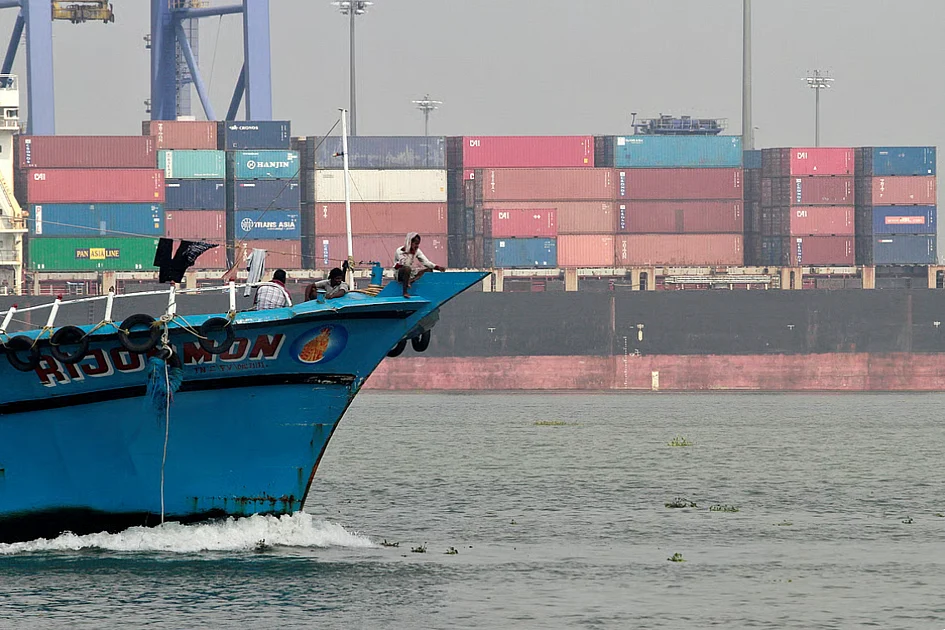
India has embarked on an aggressive global trade expansion strategy, rapidly securing multiple international agreements as negotiations with the United States remain stalled following punitive tariff impositions. The diplomatic friction emerged in August when President Donald Trump escalated tariffs to 50%, significantly impacting India’s export ambitions and manufacturing growth prospects.
This economic pressure has catalyzed New Delhi’s most active trade negotiation period in years, resulting in four operationalized agreements throughout 2025, including a landmark pact with Britain. Current negotiations are advancing with the European Union, Eurasian Economic Union, Mexico, Chile, and the Mercosur trade bloc, potentially positioning India with comprehensive trade arrangements across nearly all major global economies.
Trade experts identify this diversification drive as a strategic response to reduce dependency on the US market. Ajay Srivastava of the Global Trade Research Initiative notes that 2025 marked exceptionally vigorous deal-making activity aimed at risk distribution rather than complete US market abandonment.
The tariff escalation originated from Washington’s objections to India’s continued purchases of Russian oil, which the US maintains finances Moscow’s military operations in Ukraine. This economic confrontation has compelled Indian exporters to seek alternative markets, with labor-intensive sectors particularly benefiting from new agreements.
The UK trade deal is projected to potentially double garment exports to Britain within three years, while a prospective EU agreement promises even greater economic benefits. European Commission President Ursula von der Leyen has characterized the potential EU-India pact as potentially ‘the largest deal of this kind anywhere in the world,’ with negotiations continuing despite missing the 2025 deadline over steel and auto export disagreements.
Smaller agreements demonstrate strategic value beyond immediate trade volumes. The Oman-India agreement, despite covering less than $11 billion in annual trade, provides access to Middle Eastern and African markets, while the New Zealand FTA secured substantial foreign investment and demonstrated India’s negotiation flexibility.
November 2025 witnessed a surprising 19% goods export surge, driven by electronics (still tariff-exempt) and marine products. While diversification has shown measurable success, exporters emphasize that alternative markets cannot fully replace the United States as India’s premier trading partner. The situation remains fluid, with reduced Russian oil imports in December potentially influencing future US-India relations.