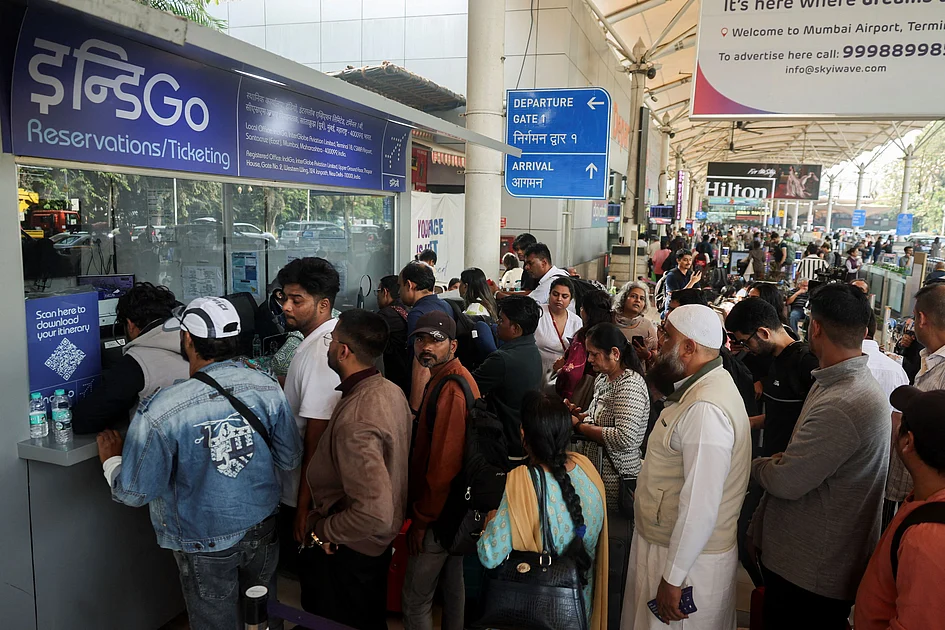
The Indian aviation sector faced unprecedented turmoil this week as the country’s civil aviation ministry implemented emergency fare caps following widespread price gouging by airlines capitalizing on IndiGo’s operational crisis. With IndiGo canceling over 1,000 flights on Friday alone—marking the most severe disruption in the carrier’s 20-year history—competing airlines responded by implementing exorbitant fare increases that reached nearly ten times normal pricing levels.
The Ministry of Civil Aviation invoked its regulatory authority to establish price ceilings on all affected routes, stating: “To protect passengers from opportunistic pricing, we have mandated strict adherence to prescribed fare caps until market stability returns. Our ministry will maintain continuous monitoring through real-time data coordination with all airlines.”
Data from travel platform MakeMyTrip revealed shocking price disparities: SpiceJet economy fares from New Delhi to Bengaluru surged to Rs84,000 (approximately Dh3,429), while Air India’s one-stop flights to Hyderabad reached Rs62,000—both representing nearly tenfold increases over regular weekday fares. The Mumbai-Delhi route, typically priced at Rs6,000-8,000, skyrocketed to Rs25,000-40,000.
The crisis triggered outrage among passengers and public figures alike. Bollywood actor Sonu Sood condemned the practice, stating: “Crisis isn’t a licence to profiteer. We need strict fare caps—no more than 1.5-2x—to protect common travelers.” Singer Rahul Vaidya disclosed paying Rs420,000 for last-minute Goa-Mumbai tickets, while actress Nia Sharma reported a Rs54,000 domestic fare.
Air India clarified that since December 4th, it had proactively capped non-stop domestic economy fares, attributing the extreme pricing to complex multi-stop itineraries and cabin class combinations that evade technical capping mechanisms. The airline committed to adding capacity and working with third-party platforms to enhance oversight.
Aviation authorities indicated the fare restrictions would remain until IndiGo恢复正常运营 between December 10-15, with additional train services being deployed to alleviate passenger backlogs across major Indian airports.