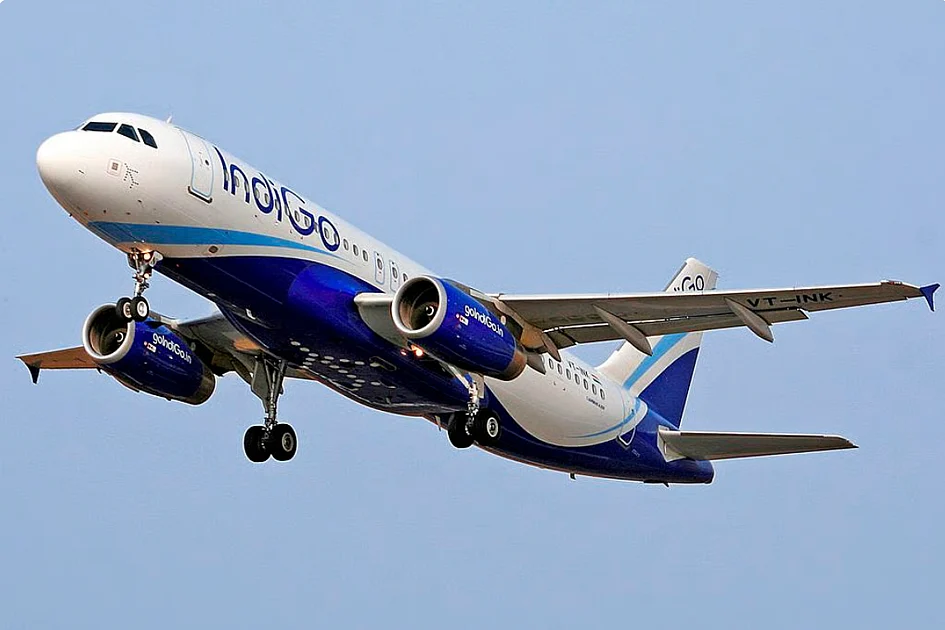
India’s aviation authority has taken formal action against the country’s largest carrier following days of operational chaos that stranded thousands of passengers nationwide. The Directorate General of Civil Aviation (DGCA) issued a show-cause notice to IndiGo CEO Pieter Elbers on December 6, demanding an explanation within 24 hours regarding widespread flight cancellations and delays.
The regulatory body identified systemic failures in the airline’s preparedness for newly implemented Flight Duty Time Limitations (FDTL) requirements as the primary cause of the disruptions. According to the DGCA’s findings, IndiGo demonstrated ‘significant lapses in planning, oversight and resource management’ that constitute apparent violations of Aircraft Rules (Rule 42A) and Civil Aviation Requirements governing crew duty periods and rest provisions.
Beyond operational shortcomings, the regulator cited passenger care deficiencies, noting the airline failed to provide mandated information and facilities to affected travelers following cancellations and delays. The notice specifically references violations of passenger rights regulations under CAR provisions.
The aviation crisis emerged following the implementation of revised FDTL norms established by DGCA last year, which triggered an unexpected shortage of available pilots and cabin crew. Operational data from major airports reveals the scale of disruptions: Hyderabad recorded 69 cancellations, Delhi’s GMR-operated facility saw 86 IndiGo flights canceled, while Ahmedabad and Kolkata airports reported 59 and 41 cancellations respectively.
In response to the mounting crisis, IndiGo issued a public apology on Sunday, acknowledging operational challenges while emphasizing recovery efforts. The airline stated it had operated approximately 700 flights connecting 113 destinations recently and was progressing toward operating over 1,500 daily flights. The carrier claims to have restored 95% of network connectivity, serving 135 of its 138 destinations.