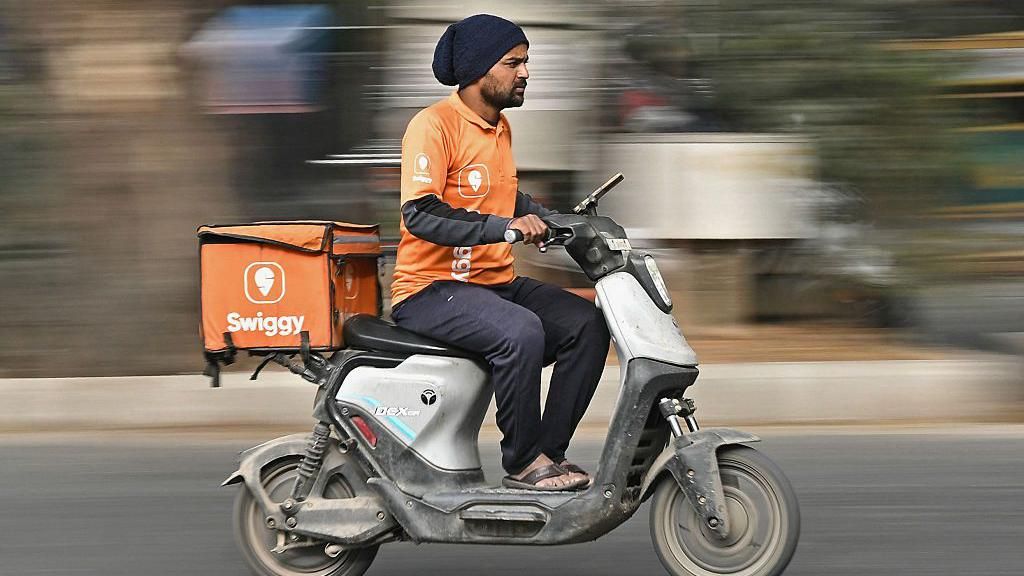
In a landmark regulatory intervention, India’s federal government has formally directed rapid-delivery platforms to eliminate their controversial ultra-fast delivery commitments following widespread protests over hazardous working conditions for gig workers. The directive emerged from high-level discussions between the Ministry of Labour and leading quick-commerce companies including Zomato-owned Blinkit and Zepto, which have revolutionized urban consumption patterns through minute-scale delivery promises.
The government’s intervention comes as a direct response to a massive nationwide strike in December that saw thousands of delivery riders demanding dignified working conditions, fair compensation, and enhanced safety protocols. While these platforms have gained enormous popularity among urban consumers seeking instant access to groceries, electronics, and household essentials, their operational model has faced mounting criticism for placing excessive pressure on delivery personnel.
According to anonymous ministry officials, companies have been instructed to cease promotional activities emphasizing unrealistically tight delivery windows. Blinkit has already initiated compliance by removing explicit 10-minute delivery guarantees from its branding, with other major players expected to implement similar changes imminently. However, real-time app monitoring revealed persistent sub-10-minute delivery estimates in numerous locations, suggesting operational practices may evolve gradually despite policy changes.
The rapid expansion of India’s quick-commerce sector—accelerated by pandemic-era consumption shifts—represents a microcosm of the nation’s broader gig economy transformation. Official projections indicate gig workforce growth from 7.7 million in 2021 to an estimated 23.5 million by 2030, highlighting the systemic significance of these labor issues.
Worker testimonials collected by BBC investigators reveal a harsh reality beneath the convenience economy: riders face substantial financial penalties for missed deadlines, routinely work 12-hour shifts, and earn approximately 20,000 rupees ($220) monthly despite constant safety risks. Researchers note that while classified as independent contractors, these workers remain algorithmically dependent on platforms for livelihood generation without access to social security benefits or career development opportunities.
Labor organizations have welcomed the government’s intervention as a crucial first step toward protecting worker welfare. However, industry observers caution that systemic pressures may persist through more subtle algorithmic incentives that continue rewarding delivery speed. Mixed reactions among riders themselves reflect skepticism about whether regulatory changes will translate into tangible improvements in earnings or working conditions, with many emphasizing that structural reforms must address fundamental compensation and dignity issues beyond mere timeline adjustments.