In a significant diplomatic development, the United States and India have unveiled a comprehensive framework for an interim trade agreement that substantially reduces tariffs on bilateral goods. The agreement emerges as a strategic realignment following months of negotiations centered on energy policy and market access.
The breakthrough announcement came through a joint statement released by both governments on Friday, detailing reciprocal concessions. The United States will reduce import tariffs on Indian goods from 25% to 18%, while India commits to eliminating or significantly reducing tariffs on American industrial goods and agricultural products. The arrangement specifically excludes sensitive Indian agricultural sectors including maize, wheat, rice, and dairy products—a critical protection for India’s massive agricultural workforce.
This interim framework represents a carefully negotiated compromise that addresses longstanding trade tensions. President Trump simultaneously revoked separate 25% tariffs imposed on Indian goods last year, signaling a renewed commitment to trade cooperation. The agreement includes provisions for enhanced market access and more resilient supply chains, with both nations expressing commitment to pursue a broader comprehensive trade deal in the future.
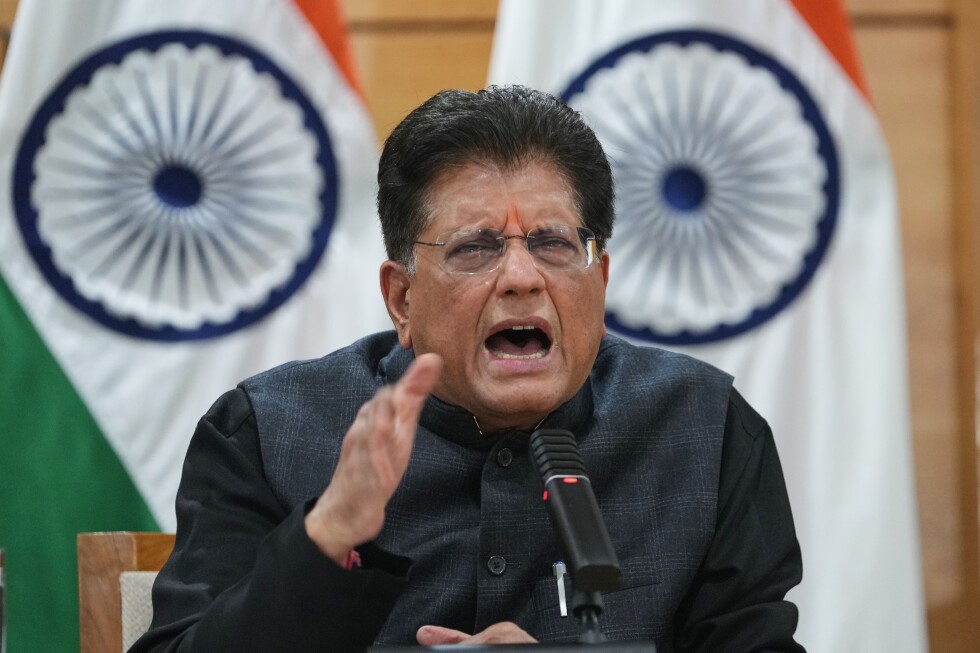
Indian Trade Minister Piyush Goyal highlighted the agreement’s economic benefits, projecting access to the $30 trillion U.S. market for Indian exporters across pharmaceuticals, gemstones, diamonds, and aircraft components. He anticipates the deal will generate hundreds of thousands of new employment opportunities through increased export volumes.
The agreement follows India’s strategic decision to reduce dependence on Russian crude oil, a move that paved the way for improved trade relations with the United States. Both leaders characterized the partnership as “reciprocal and mutually beneficial,” with Prime Minister Modi acknowledging President Trump’s personal commitment to strengthening bilateral ties.
Despite government enthusiasm, Indian opposition parties have criticized the arrangement as disproportionately favoring American interests, particularly in sensitive economic sectors. The agreement marks India’s latest in a series of trade advancements, including recent partnerships with the European Union, Oman, and New Zealand.