India and the United States have postponed critical trade negotiations originally scheduled for this week amid legal and policy developments that have introduced fresh complexities into bilateral economic relations. The decision comes directly from India’s Commerce Ministry, which confirmed that both nations require additional time to assess the implications of recent U.S. judicial and executive actions.
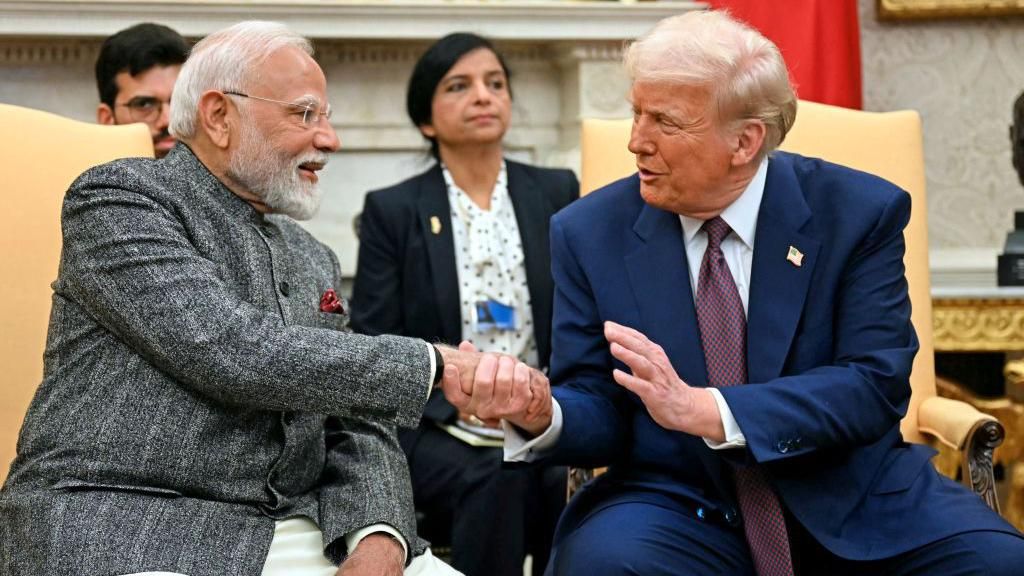
The scheduled meetings in Washington were intended to finalize an interim trade agreement announced earlier this month between former President Donald Trump and Indian Prime Minister Narendra Modi. That preliminary understanding had proposed reducing U.S. tariffs on certain Indian exports from 50% to 18%, though several aspects of the arrangement remained undefined.
This development follows a landmark ruling by the U.S. Supreme Court, which determined that the Trump administration overstepped its authority by implementing sweeping global tariffs under the 1977 International Emergency Economic Powers Act. The judicial decision represents a significant setback to the former president’s trade policy agenda. Subsequently, Trump announced intentions to impose a new comprehensive 15% tariff on all imported goods entering the United States.
The now-deferred negotiations were expected to address outstanding issues, including India’s commitment to reduce standard tariffs on U.S. industrial goods and agricultural products. In return, the United States had agreed to lower reciprocal tariffs affecting approximately 55% of Indian exports. The interim deal, initially anticipated to take effect in April, followed months of trade tensions sparked by Trump’s imposition of 50% tariffs on Indian goods last August, which included penalties for purchasing Russian oil.
Indian agricultural unions have expressed concerns that tariff reductions on U.S. farm imports could disadvantage domestic producers. Commerce Minister Piyush Goyal has attempted to reassure stakeholders that India has not offered concessions on sensitive products including dairy, genetically modified goods, meat, or poultry, while emphasizing that farmer protections remain in place.
No rescheduled date has been established for the diplomatic delegation’s visit to Washington, which was originally planned to depart on Sunday. Both governments are now evaluating how the judicial ruling and proposed new tariffs might affect existing and prospective trade agreements between the United States and its international partners.