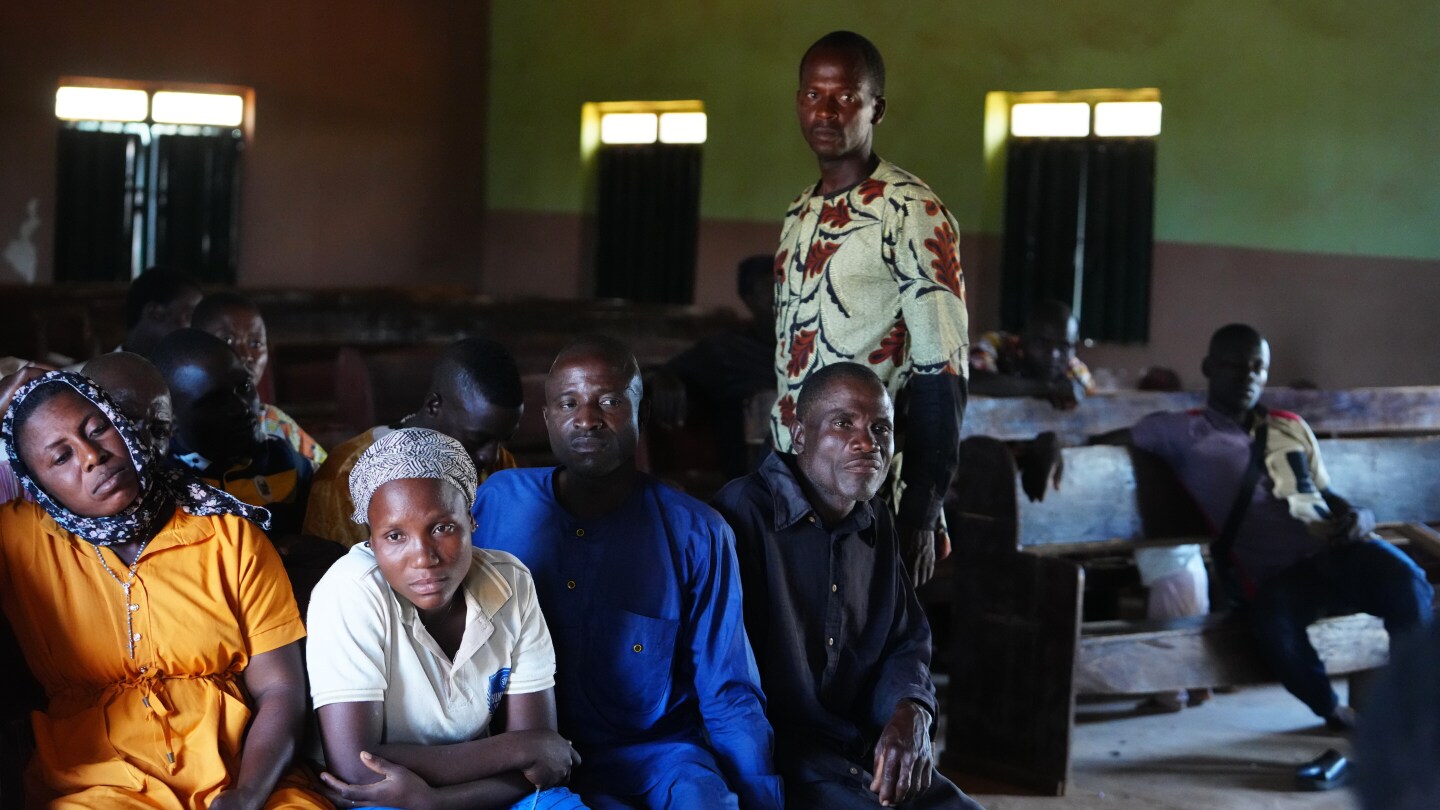
In the remote village of Ligari, nestled in Nigeria’s northwestern Kaduna state, a harrowing incident unfolded during a church service in November 2024. Armed gunmen on motorcycles stormed the gathering, firing indiscriminately and abducting at least 62 individuals, including the pastor and several children. The hostages were forcibly marched into the bush, enduring a grueling two-day trek to a forest hideout, where they were held captive for nearly a month. Families, desperate for their loved ones’ release, sold farmland, livestock, and motorcycles to meet the kidnappers’ ransom demands. The hostages faced severe deprivation, with little food or sleep, and were pressured to renounce their Christian faith. Tragically, two hostages were killed during the ordeal. Four survivors recounted their experiences to The Associated Press, highlighting the trauma and resilience of their community. This attack is emblematic of the broader security crisis plaguing Nigeria’s north, where violence has become a grim reality for many. Just days after the Ligari incident, gunmen abducted 25 schoolgirls from a boarding school in Kebbi, killing at least one staff member. The pervasive violence has left nearly every household in Ligari mourning a lost or abducted relative. While U.S. President Donald Trump has framed the crisis as a targeted persecution of Christians by radical Islamists, local voices and experts paint a more complex picture. Many argue that the violence is indiscriminate, affecting both Christians and Muslims alike. Abdulmalik Saidu, a Muslim resident of Zamfara state, recounted how his brother was killed during a highway kidnapping, emphasizing that the attackers’ primary motive is financial gain rather than religious ideology. Similarly, Imam Idris Ishaq of Kaduna shared the loss of multiple family members to violence, underscoring the shared suffering across faiths. Nigeria’s security challenges are exacerbated by rampant corruption, inadequate law enforcement, and porous borders that facilitate the flow of weapons to criminal gangs. In the northeast, Boko Haram and its offshoots continue their insurgency, while in the northwest, rogue gangs terrorize villages and farming communities. The Ligari community, located just 20 kilometers from Kaduna’s capital, remains vulnerable due to its remote location and lack of security infrastructure. Despite the dire circumstances, some villagers have struck deals with gangs to access their farmlands, a testament to their desperation. The Nigerian government’s failure to address the crisis has drawn criticism, with some viewing Trump’s threat of military intervention as a potential catalyst for change. However, analysts caution that the situation requires nuanced solutions, as the violence transcends religious divides and reflects deeper systemic issues. As Nigeria grapples with this ongoing crisis, the resilience of its people remains a beacon of hope amidst the darkness.
In the violence plaguing Nigeria, many say everyone — Christian or Muslim — is a potential victim